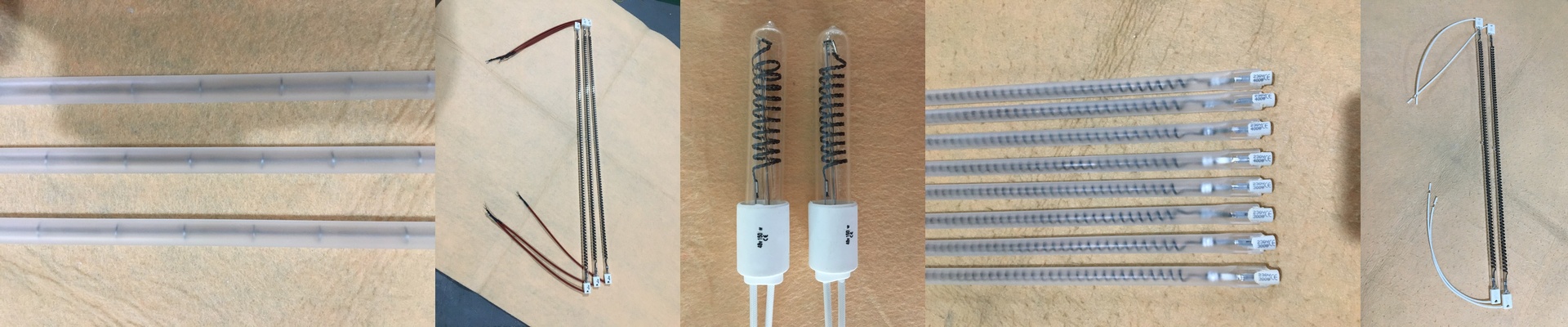
A Practical Look at 220V Carbon Heating Lamps
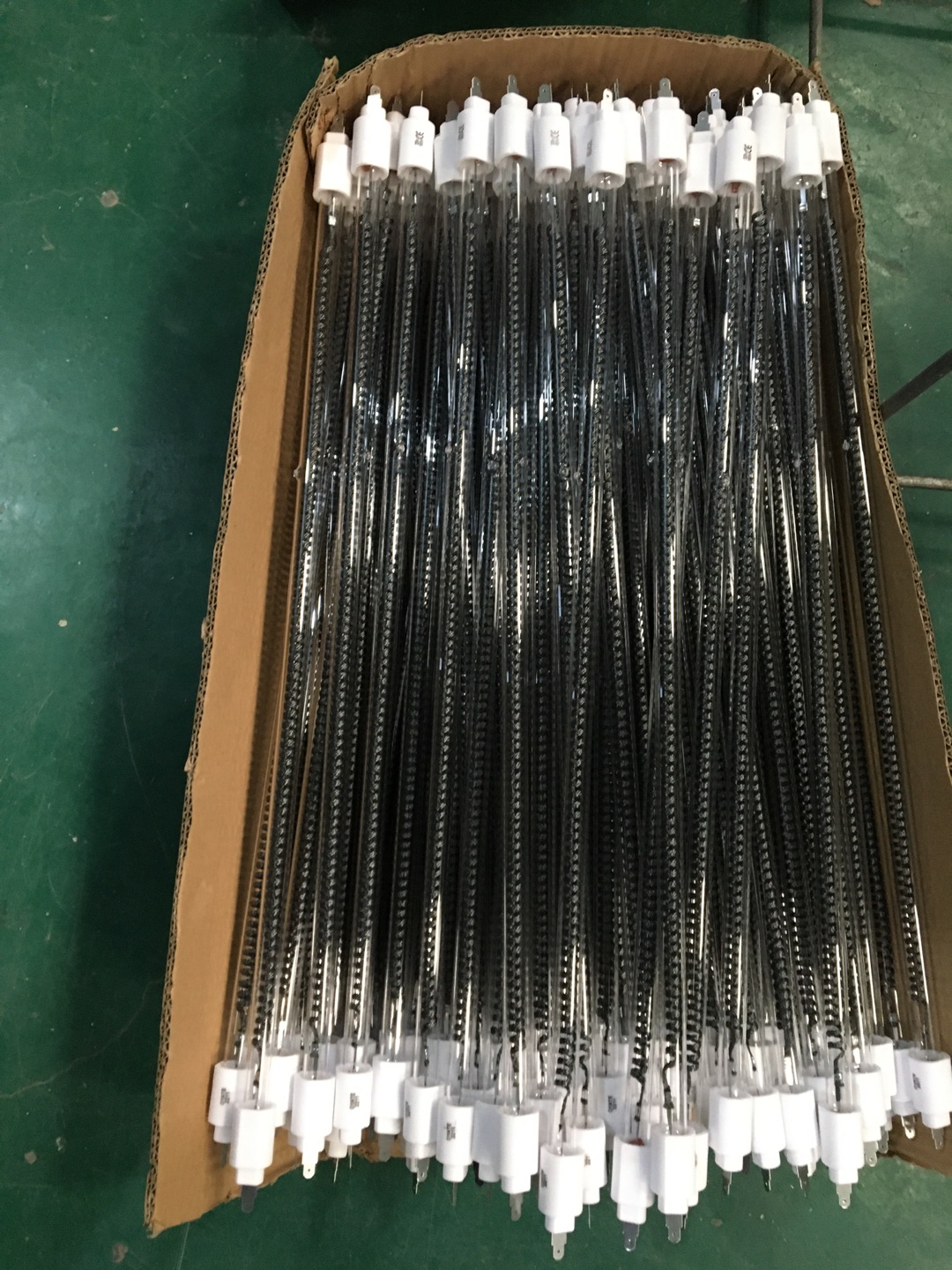
Here is the deal with carbon heating lamps: they work by pushing current through a carbon-fiber filament tucked inside a quartz tube. If you’ve used old-school metal alloy elements, you know they take a while to get going. Carbon is different. It ramps up almost instantly and sends out infrared heat that actually sinks into your materials rather than just sitting on the surface. The Power Side of Things We stick to 220V because that’s what most industrial grids are already running. It keeps things simple. You get the filament up to temp for those short-wave or medium-wave bursts without needing a massive, bulky transformer in the way. Depending on how long the lamp is, the power density shifts, but 220V generally keeps the wattage steady. This is huge because it stops the filament from snapping when you’re cycling it on and off quickly. One heads-up: carbon reacts fast. Really fast. If your PID controllers aren’t tuned for that speed, you’re going to overshoot your target temperature and end up with a mess. What They’re Made Of We use quartz glass for the tube because it can handle the heat and lets the infrared rays pass right through. Then there’s the carbon fiber. It handles the “stretch and shrink” of heating and cooling way better than tungsten does. In plain English? The lamp can take a beating. You can flip it on and off all day and the filament won’t just snap. We can even coat them if you need to tweak the wavelength or bounce more heat back toward your part. Putting Them to Work These are perfect for when you need a surface hot now—think PET bottle blowing or curing paint. Since they hit peak temp in a blink, you can actually make your heating tunnels smaller. It saves a lot of floor space. But watch out for the ends of the tube. That’s where the heat gets really intense, and it can create annoying hot spots. You’ll want to get your reflectors dialed in to spread that heat out evenly. And for heaven’s sake, check your cooling fans. If they aren’t aimed right to protect your wiring and connectors, you’re just going to melt your insulation.