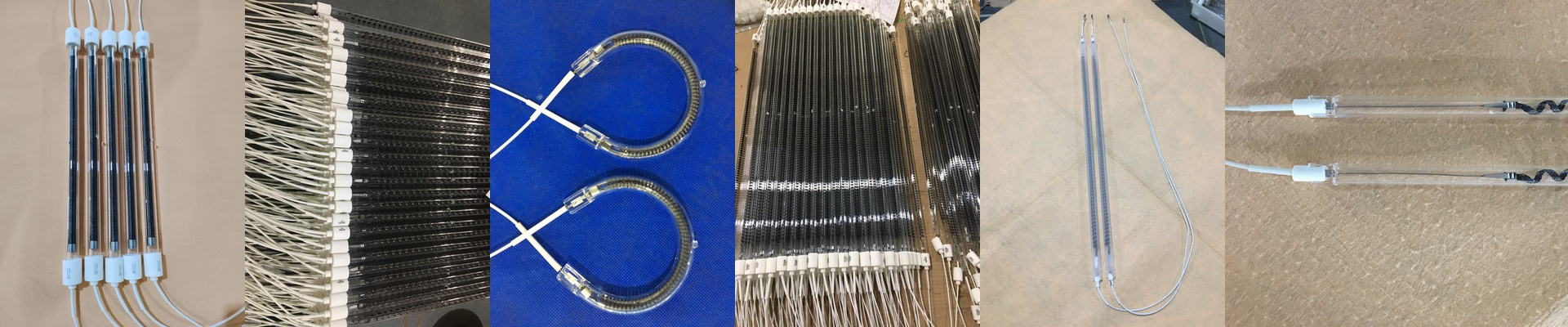
Let’s Talk Carbon Fiber Heat Lamps
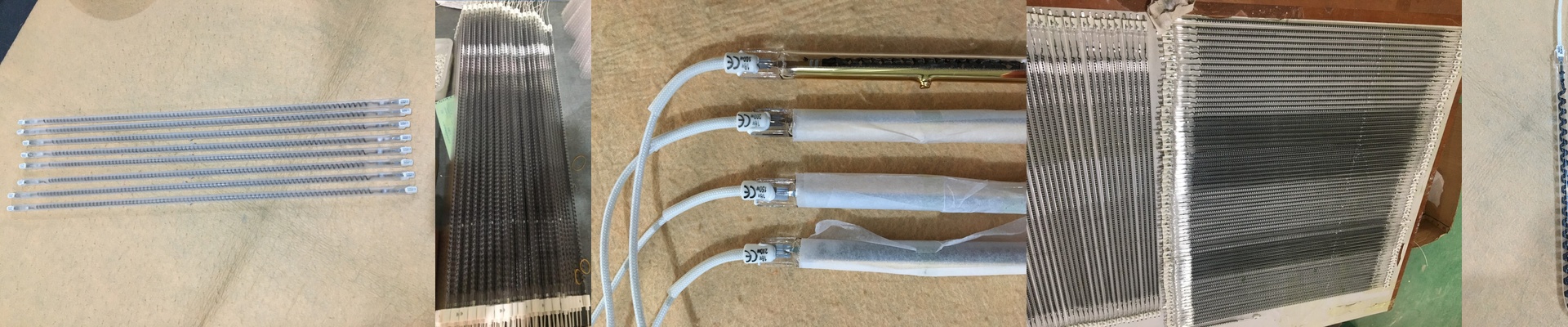
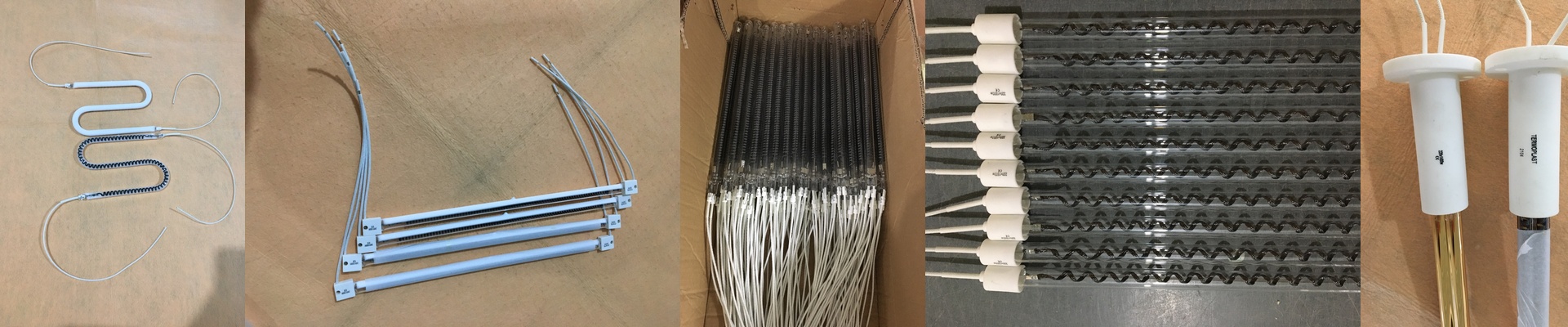
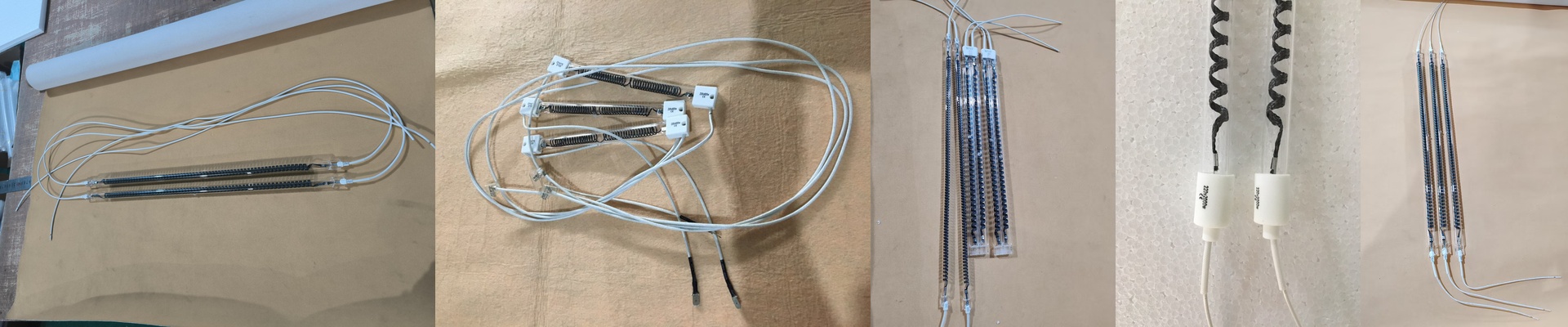
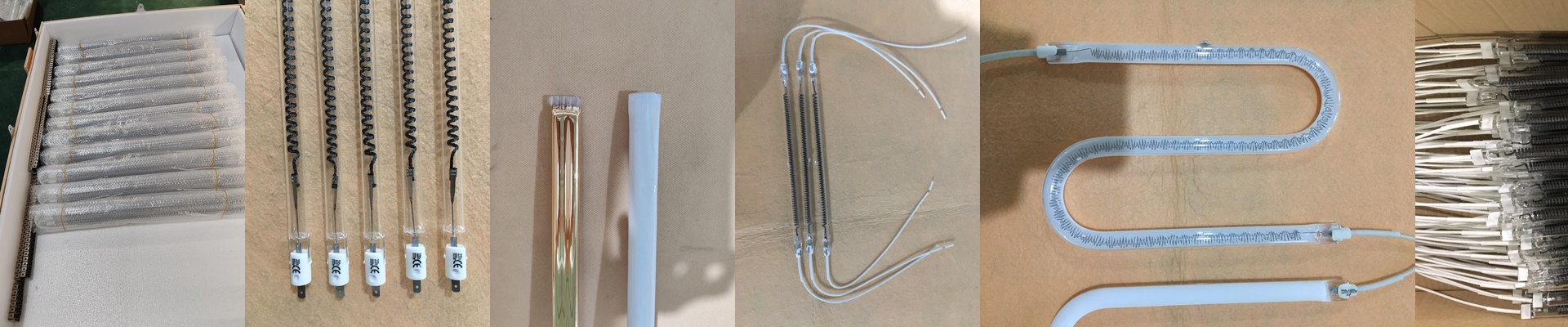
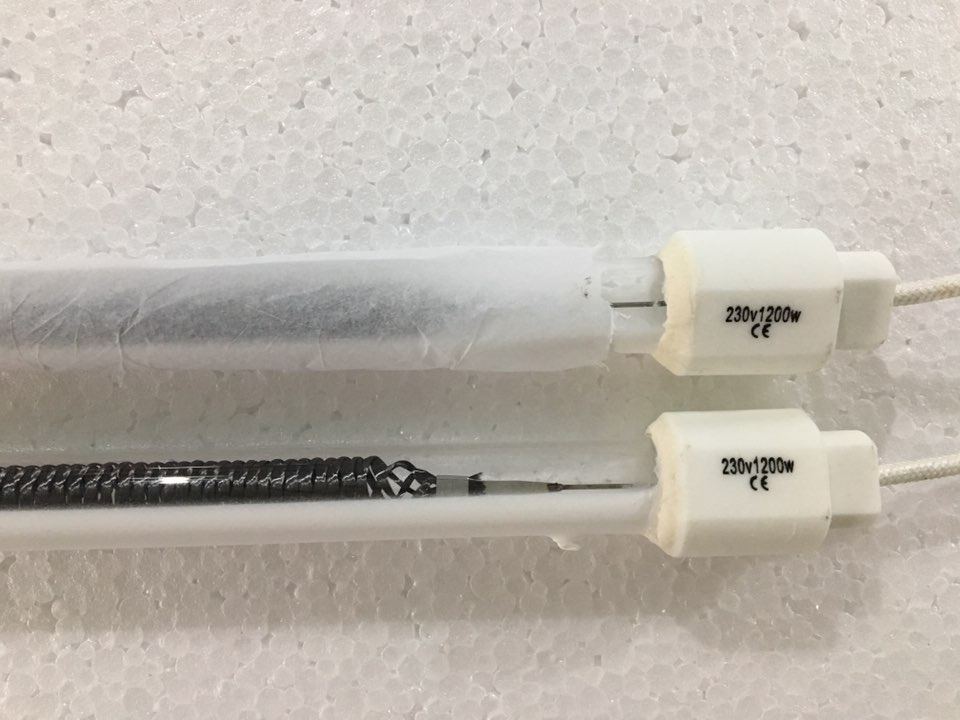
We build these lamps to hit hard and fast. Instead of the usual tungsten coils you see everywhere, we use a carbon-based filament tucked inside high-purity quartz. The result? The heat doesn’t just sit on the surface. It actually sinks deep into your materials, getting the job done way faster. Getting the power right When you’re picking your specs, it really comes down to a balancing act between voltage, wattage, and the length of the tube. If you cram more wattage into a shorter tube, you get a massive spike in power density. This is exactly what you want for things like PET bottle blowing or shrink wrapping where every second counts. Just a heads-up: if you go for extreme wattage, make sure your wiring and power supply can actually handle the current. You don’t want your terminals melting into a puddle. The build and the fit The quartz shell is there to keep the filament from oxidizing. Sometimes we add special coatings to the glass to tweak the wavelength or bounce more heat back toward your target. As for getting them installed, we stick with R7s or Sk15 bases. We do this so you can just pop a new lamp into your industrial oven without having to rip out the wiring and start from scratch. Plus, carbon handles the “stretch and shrink” of heating up and cooling down much better than metal. It means your element isn’t nearly as likely to snap when you’re cycling the power on and off. Where they work (and where they don’t) You’ll see these in everything from drying lines to automotive paint shops. The best part is the ramp-up. There’s no awkward waiting period for the lamp to “warm up.” You flip the switch, and the heat hits almost instantly. But here’s the catch: quartz is fragile. These tubes can’t take a beating. If you drop one, or even if you leave an oily fingerprint on the glass, you’ve created a “hot spot.” That’s a one-way ticket to a cracked tube. Keep your housings clean and your mounts tight, and they’ll last you a long time.