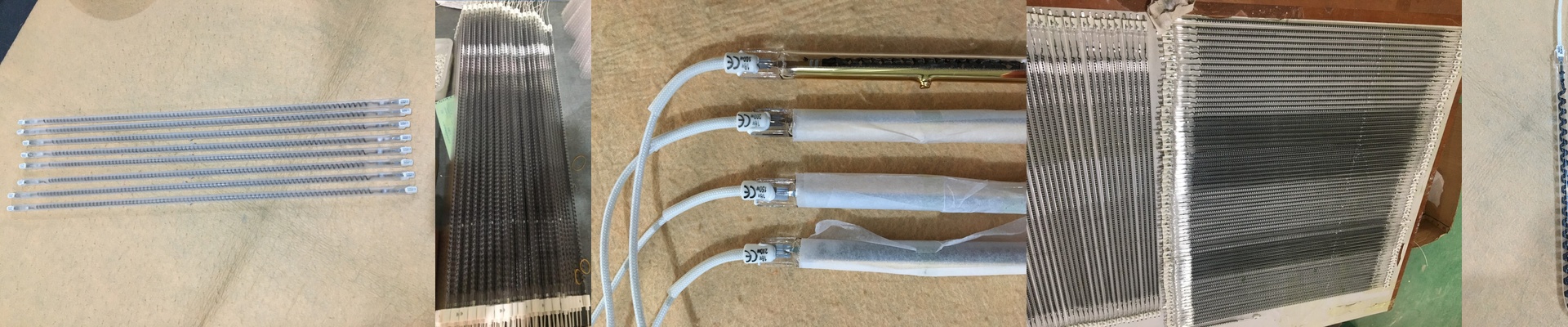
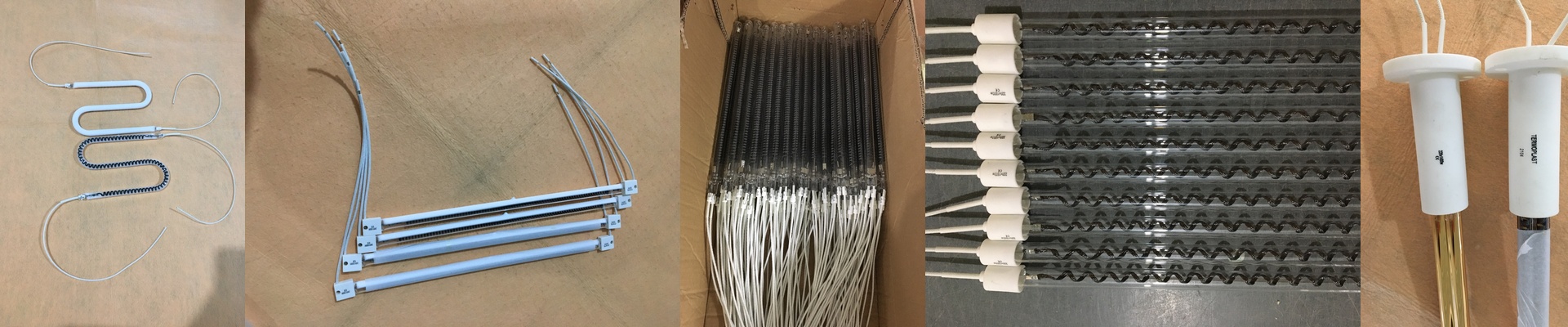
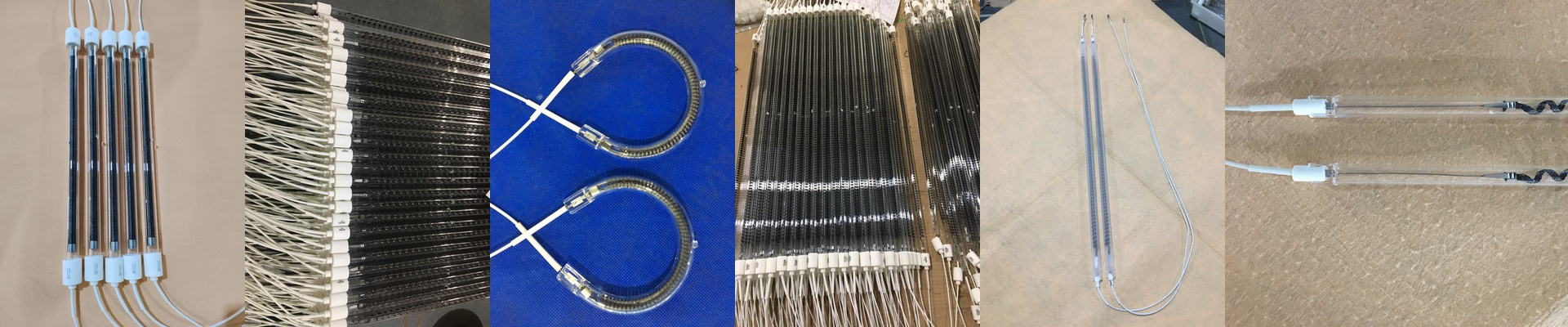
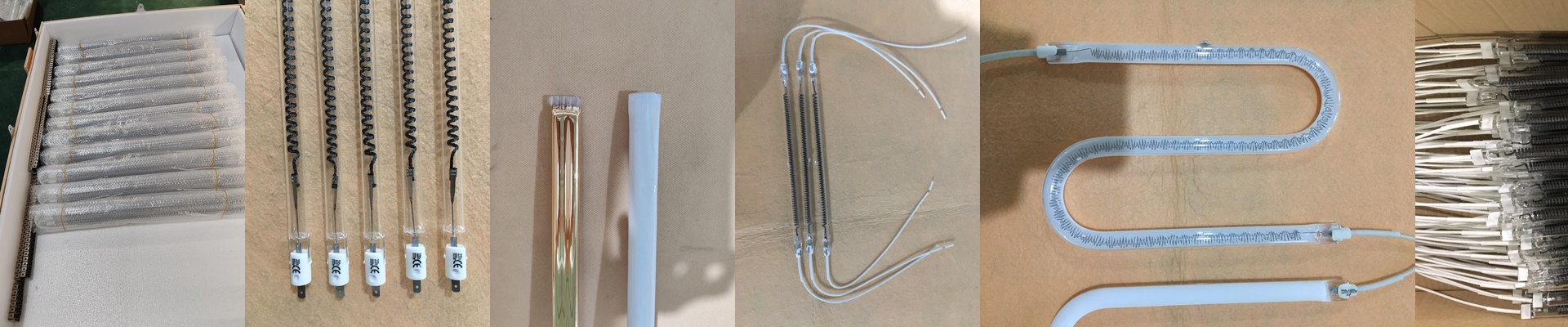
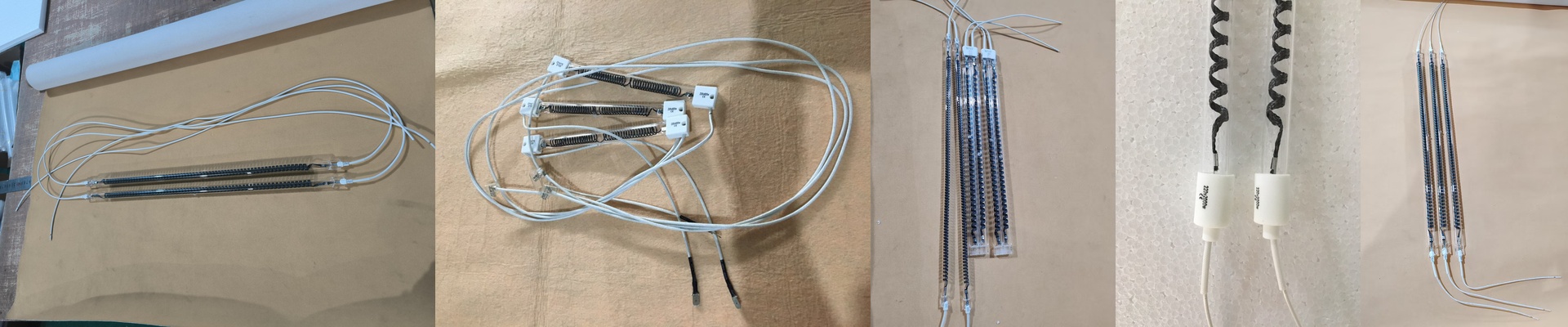
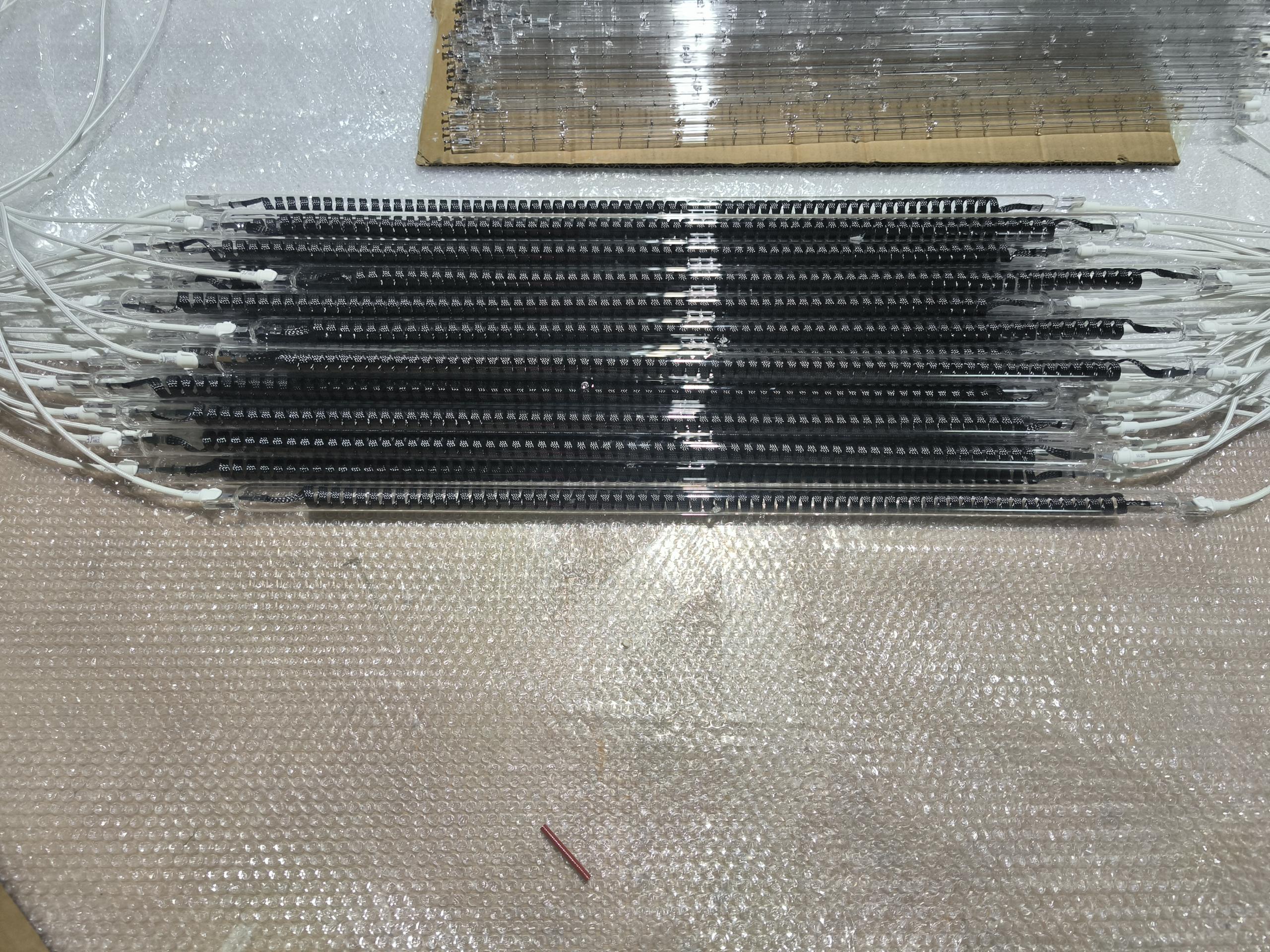
Let’s Talk About 220V Carbon Fiber Heating Tubes
If you’ve ever dealt with old-school metal coil heaters, you know the drill—you turn them on and then you wait. And wait. We did things differently with these carbon fiber tubes. Instead of a coil, we put a carbon fiber filament inside a quartz sleeve. The result? It hits operating temperature almost the second you flip the switch. It’s fast. Really fast. The deal with power and voltage Sticking with 220V just makes life easier. Most industrial grids already handle it, so you can skip the headache of lugging in heavy-duty transformers just to get the wattage you need. Here is the cool part: carbon filaments have lower electrical resistance than tungsten. That means we can pack a lot more power into a tiny space. You get a really concentrated heat zone that ramps up instantly. Just a heads-up, though—because the heat is so intense, you’ve got to get your workpiece positioned just right, or you’ll end up with localized hotspots. What’s actually inside? The filament is wrapped in a high-purity quartz glass envelope. We use this specific glass because it doesn’t “steal” the heat. The infrared waves pass straight through the glass and go right into your product, rather than just heating up the tube itself. But keep an eye on those seals. We use specialized electrodes at the ends to keep gas out. If one of those seals cracks or fails, the filament will burn out in a matter of seconds. It’s a fragile balance. Where this actually helps You’ll see these in PET bottle blowing, plastic welding, or drying lines. If you’re still using old halogen lamps but hate the long warm-up cycles, these are a great swap. Since they push out short-wave infrared, the heat actually sinks deeper into the material. One last thing—don’t skimp on your cooling fans. Even though the tubes are efficient, that outer quartz sleeve gets scorching. If your airflow is blocked, it’s enough to melt your nearby wiring. Do yourself a favor and use high-temp leads so you don’t have to deal with a meltdown.