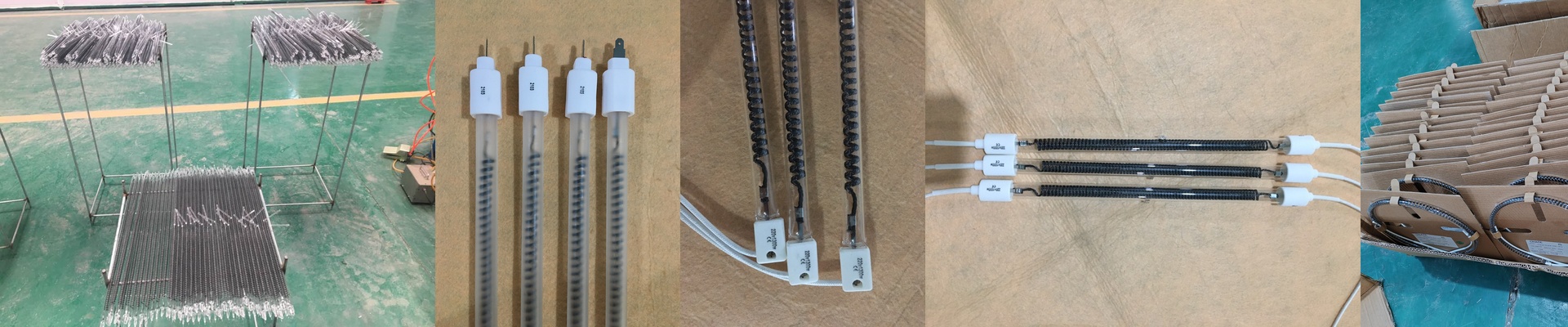
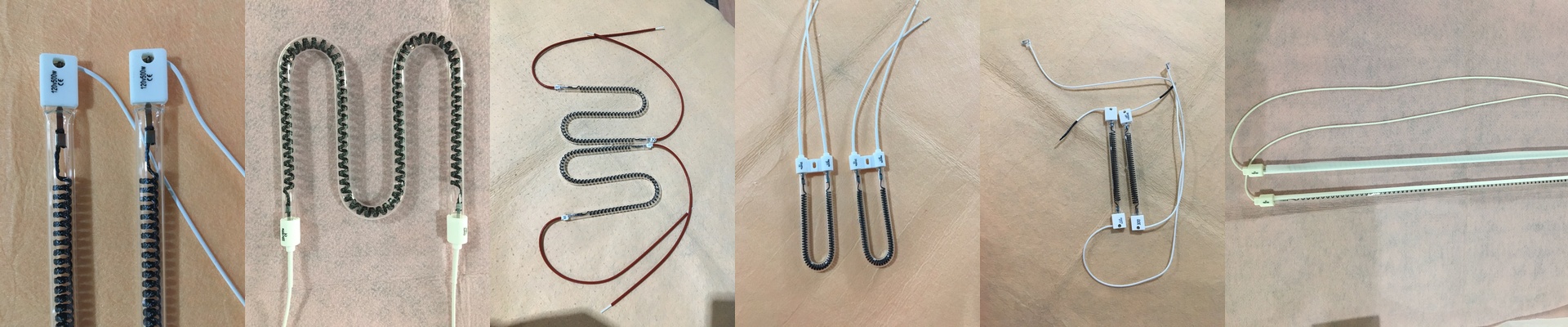
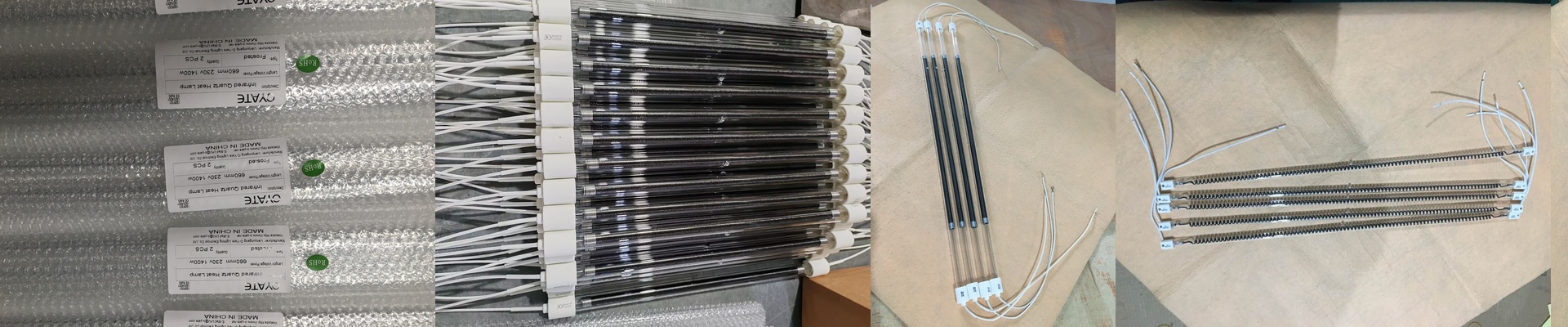
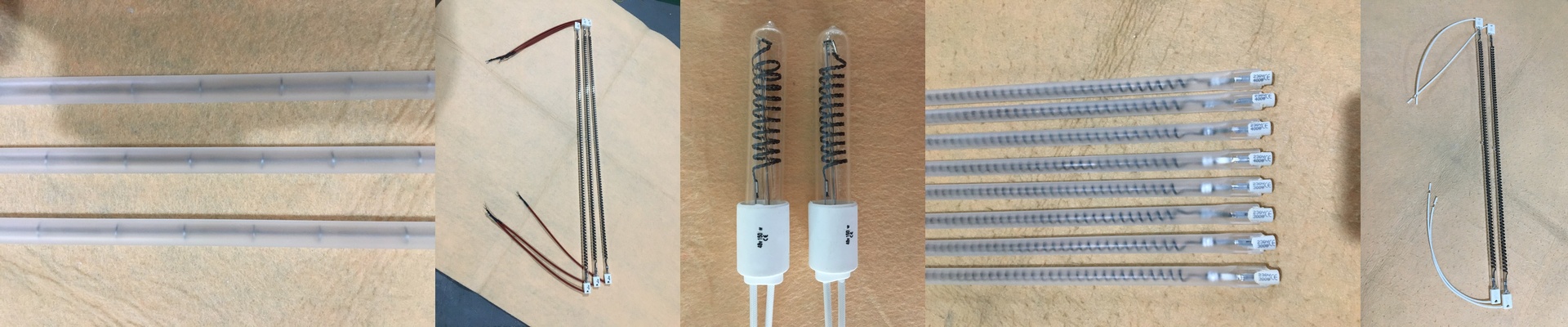
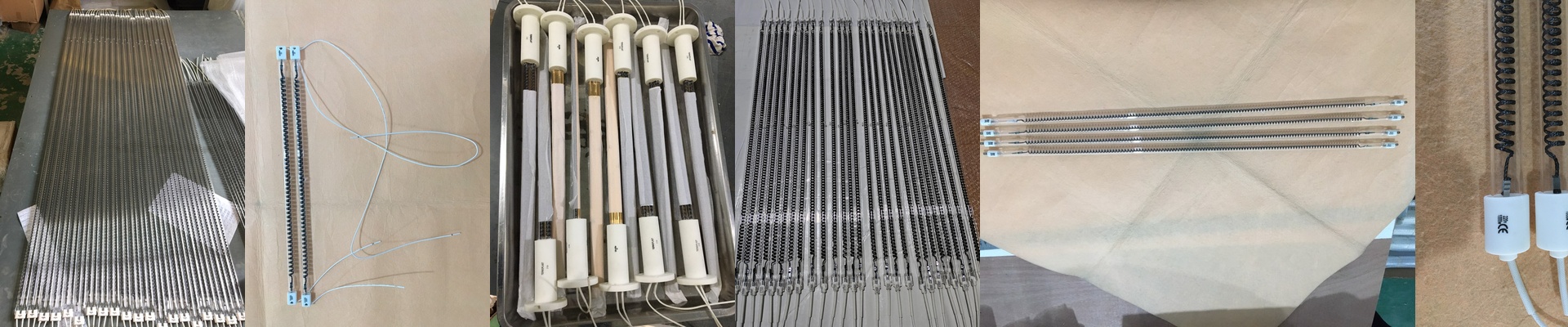
Medium-Wave Carbon Fiber Heat Lamps for PET Bottle Blowing: Power, Precision, and Reliability
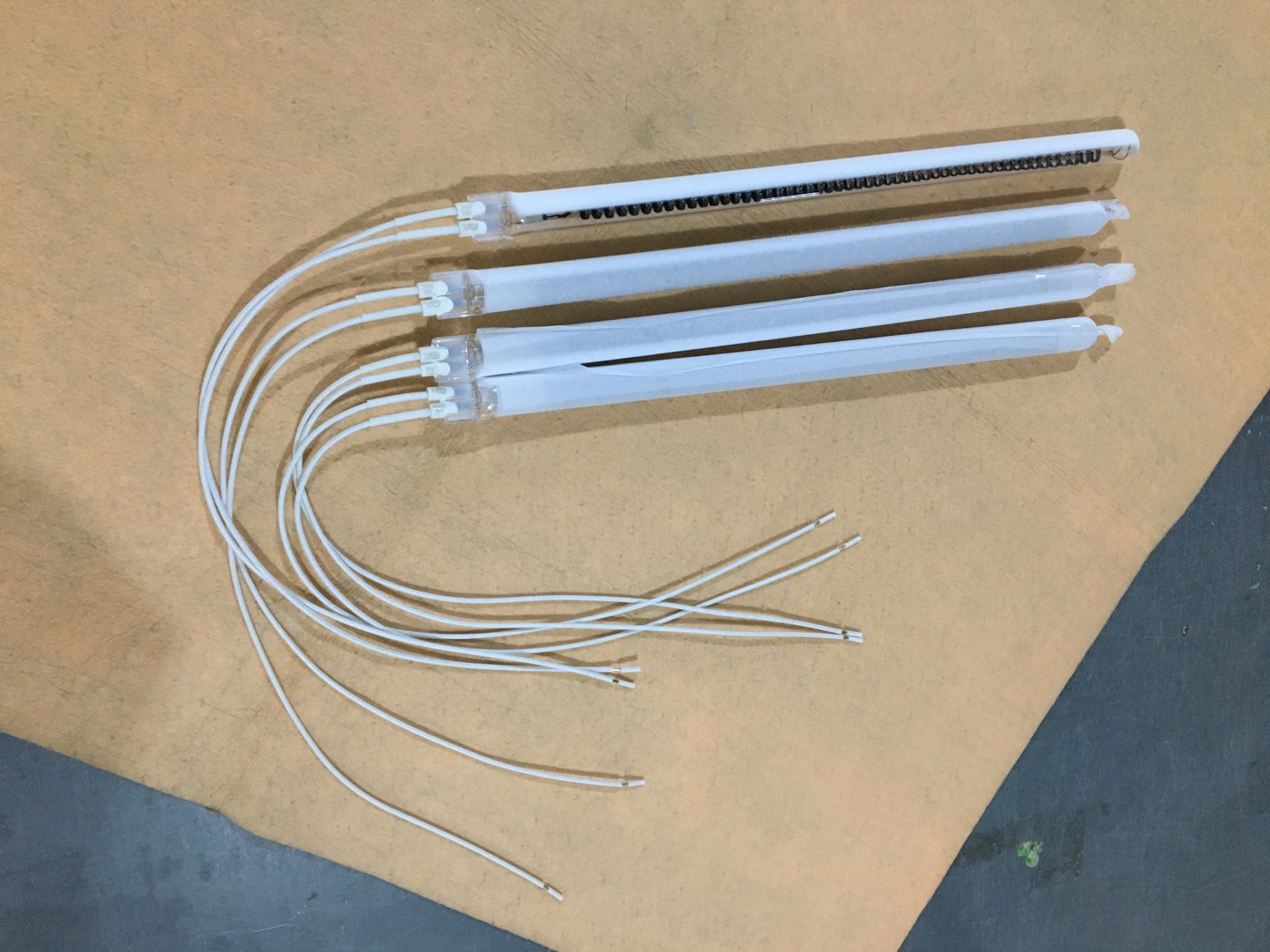
When you run a PET blow molding line, the heating stage sets the pace. If the preforms don’t hit the right temperature profile, you get thin spots, stress marks, and scrap. We built the medium-wave carbon fiber heat lamp specifically to deliver fast, stable radiant heat in the tight space of a blowing machine. It is a direct-replacement heat source engineered for high-volume PET work, with the electrical and mechanical details matched to the demands of the process.
Technical Deep-Dive: Power, Voltage, and Dimensions
The core job is heating preforms quickly and evenly. Medium-wave infrared hits that sweet spot: the energy penetrates the PET surface and heats the wall thickness without scorching the outer layer. Carbon fiber elements deliver high heat density in a compact form, so you get the output you need without a huge lamp footprint. We spec these lamps to run at 400V, because that higher voltage reduces current for a given power. Lower current means smaller wiring, less voltage drop, and less heat buildup in the terminals. The typical wattage range is 2000W to 2500W, sized to match the heat load of the blowing section. The length is commonly 300mm, which fits standard machine cutouts and keeps the heat zone tight. That power density comes with a trade-off. A 2500W lamp throws a lot of heat, and the reflector and lamp body will get hot. The machine’s cooling system—airflow, shielding, and thermal management around the lamp mount—needs to be spec’d to match. If the ambient around the lamp runs too high, you shorten component life and risk overheating nearby sensors or wiring.
Material and Design: Why Carbon Fiber, Coating, and R7s
Carbon fiber elements heat up fast and maintain stable resistance over time, which helps keep the temperature profile consistent from cycle to cycle. The quartz envelope is tough enough to handle the thermal shock of rapid on/off cycling, and it passes infrared efficiently. On the inside, a halogen fill gas suppresses filament evaporation and stabilizes the hot spot, which translates to steady output and longer life. The exterior coating is not cosmetic. It is selected to manage emissivity and control the spectral output, so more energy goes into heating the preform rather than warming the machine frame. This improves repeatability and reduces wasted heat. The connector choice matters on the shop floor. The R7s base is a proven bi-pin design that handles high temperature, locks into position, and makes replacement fast. You can swap a lamp in minutes without disassembling fixtures. In some layouts, we also fit Sk15 terminals for robust screw-terminal connections when the wiring path needs flexibility. Both options are chosen to keep the lamp seated solidly and reduce contact resistance.
Application and Benefits in PET Blowing
In PET bottle blowing, the lamp works as part of a controlled thermal zone. The preform needs a uniform temperature across its body before stretching. Medium-wave infrared heats the preform quickly, and the carbon fiber element responds fast to changes in power, so you can tune the zones and hold the profile steady. The practical payoff is uptime and repeatability. The lamp starts fast, holds temperature, and takes repeated thermal cycling without drift. The 300mm length and R7s mount make it a drop-in fit in standard machines, so you minimize changeover time and keep the line running. One reality check: high-wattage infrared lamps demand proper electrical practice. Size the supply to 400V, keep terminals clean and tight, and ensure the lamp is fully seated in the reflector. Treat the heat as a controlled output, not a side effect, and the lamp will deliver consistent performance shift after shift.