Keeping Your Livestock Warm with carbon Fiber Heat
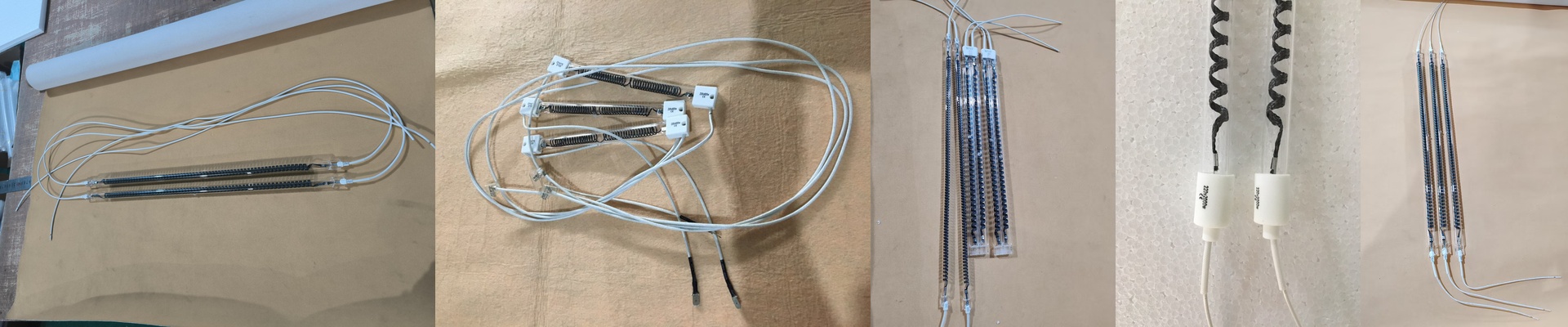
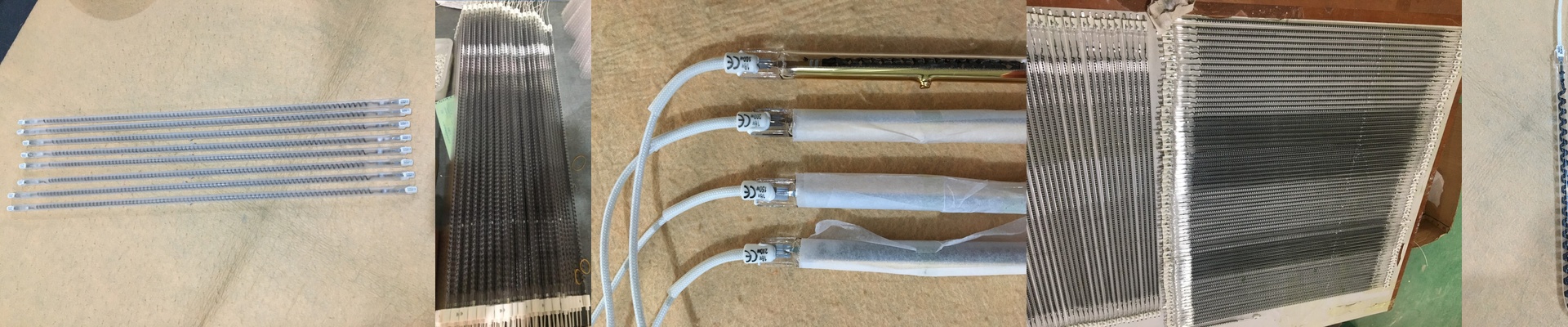
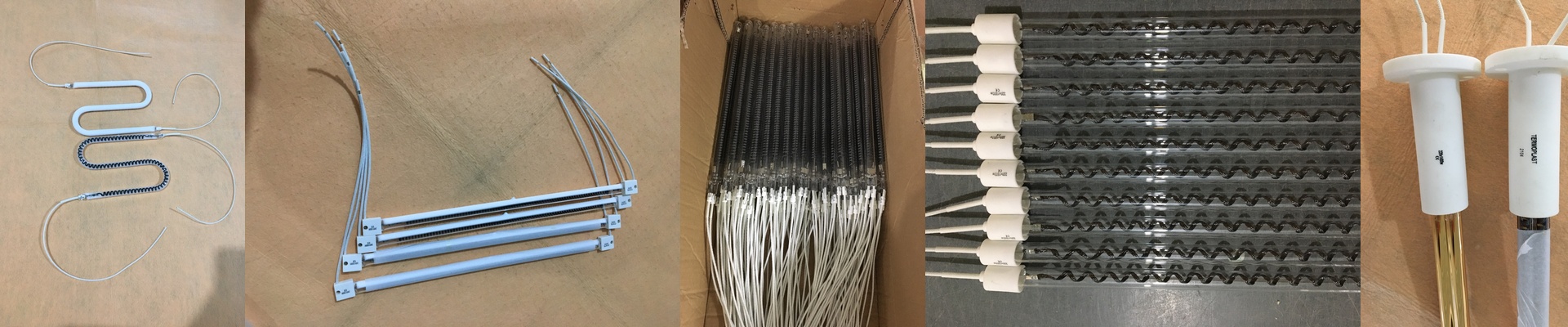
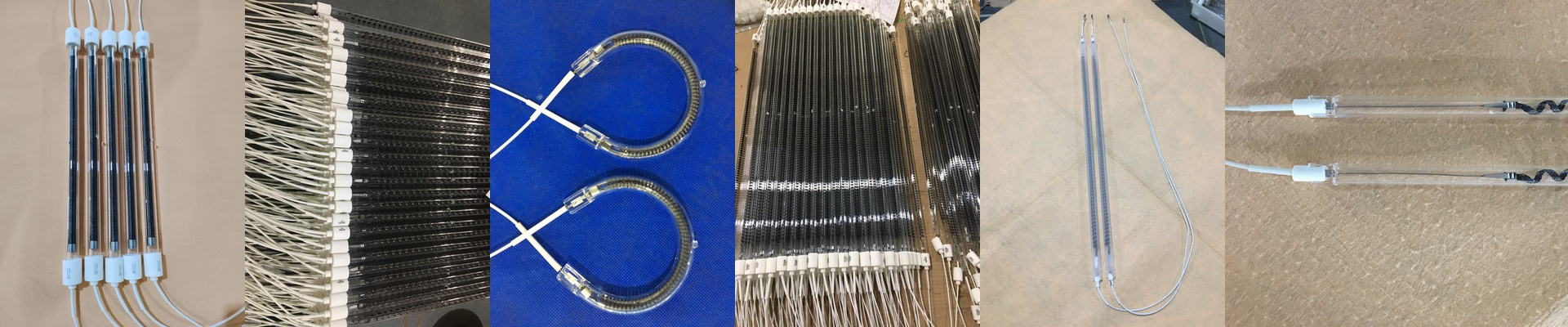
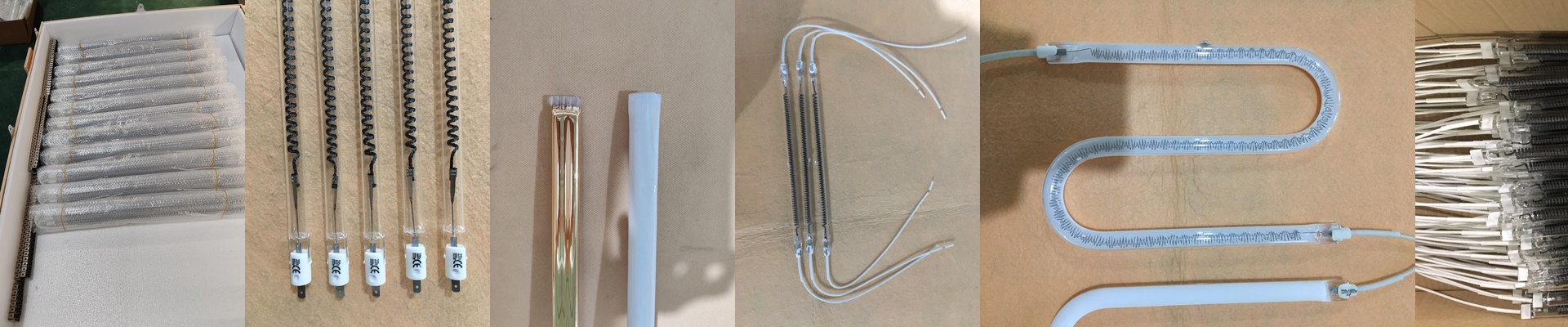
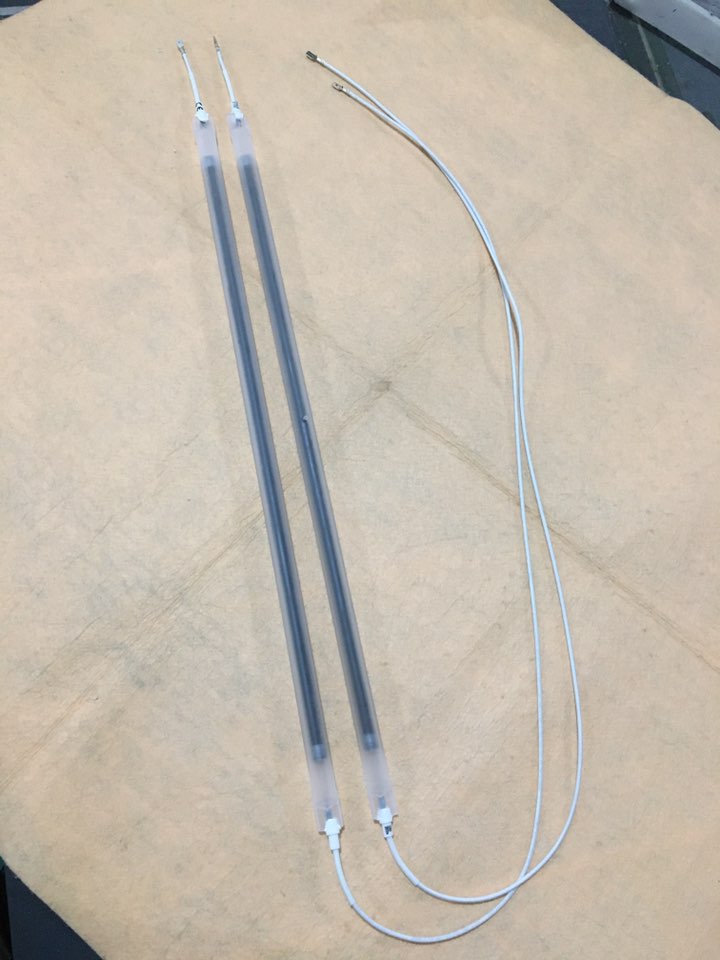
When it comes to keeping cows and calves warm, we’ve found that carbon fiber heating is the way to go. Here’s why: most old-school lamps just heat up the air around the animal. But carbon fiber is different. It sends heat straight into the muscles and joints. It’s a deeper, more soothing kind of warmth that actually gets into the animal, rather than just warming the breeze. The Technical Stuff (Made Simple) We stick to low-to-medium wattage. Why? Because nobody wants a calf getting a surface burn. We also make sure the heat stays in that “long-wave” range. If you’ve ever used those cheap lamps that feel like a scorching hot spot on your skin, you know exactly what we’re avoiding. One quick tip: check your barn’s wiring. If your voltage is jumping all over the place, those carbon filaments will wear out way faster than they should. Keep the power steady, and the lamps will last. Built for the Barn The heating element lives inside a quartz tube. We use quartz because it lets the infrared rays pass right through without blocking them. But let’s be real—barns are tough environments. You’ve got humidity and ammonia everywhere. To fight that, we use reinforced end-caps. If moisture leaks in, the filament oxidizes and you’re looking at a dead lamp in a matter of days. Those seals are everything. What to Expect in the Field You can just drop these into your current heat boxes or hang them as panels. The best part? They heat up instantly. You aren’t standing around wasting electricity waiting for a metal plate to get warm. It’s on, and it’s hot. Right now. But there is a catch. Carbon fiber is a bit more fragile than those chunky old heat bulbs. If a curious calf bumps into the fixture, that quartz tube will shatter. **Don’t skip the heavy-duty cages.**You need a solid barrier between the animal and the glass, or you’ll be replacing lamps a lot more often than you’d like.