Clear Visible Carbon Fiber Filament: The Engineering Logic Behind High-Density Quartz Halogen Heaters
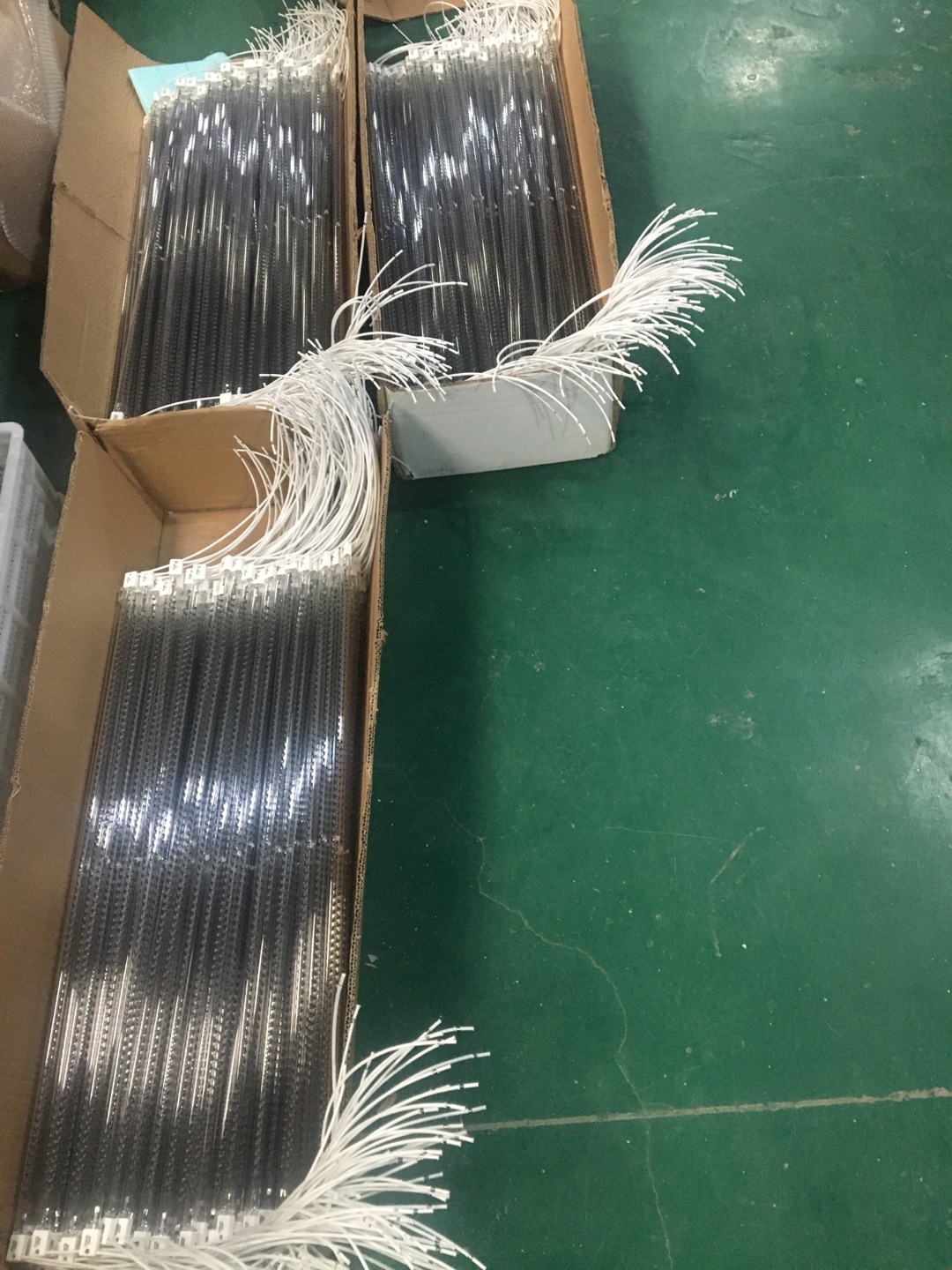
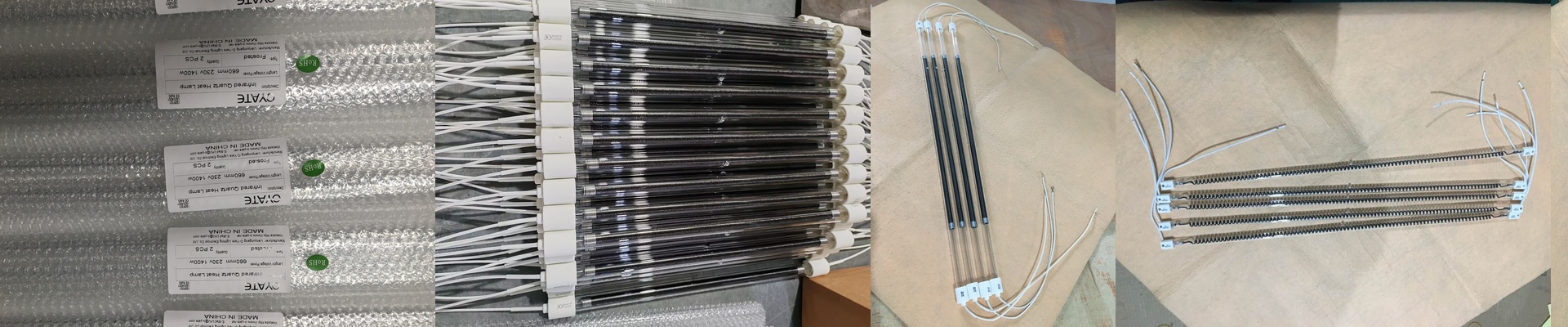
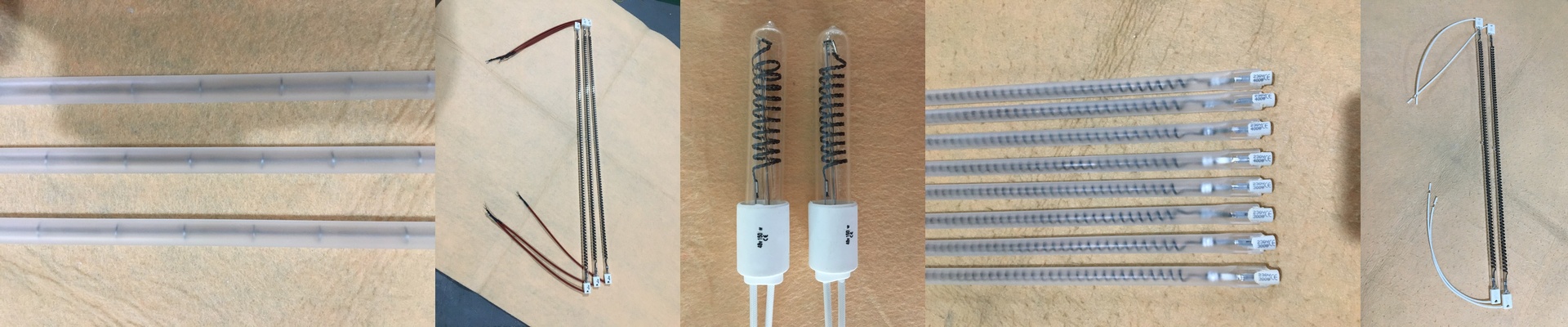
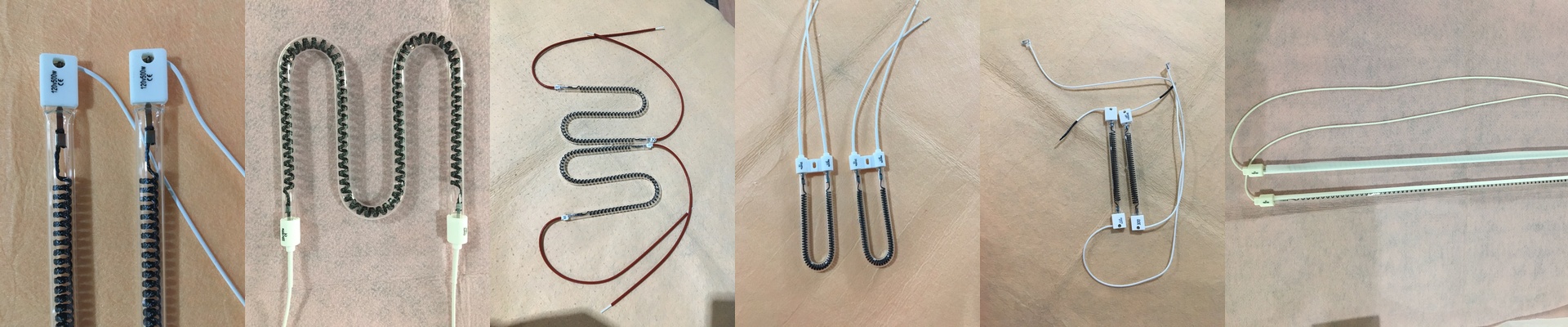
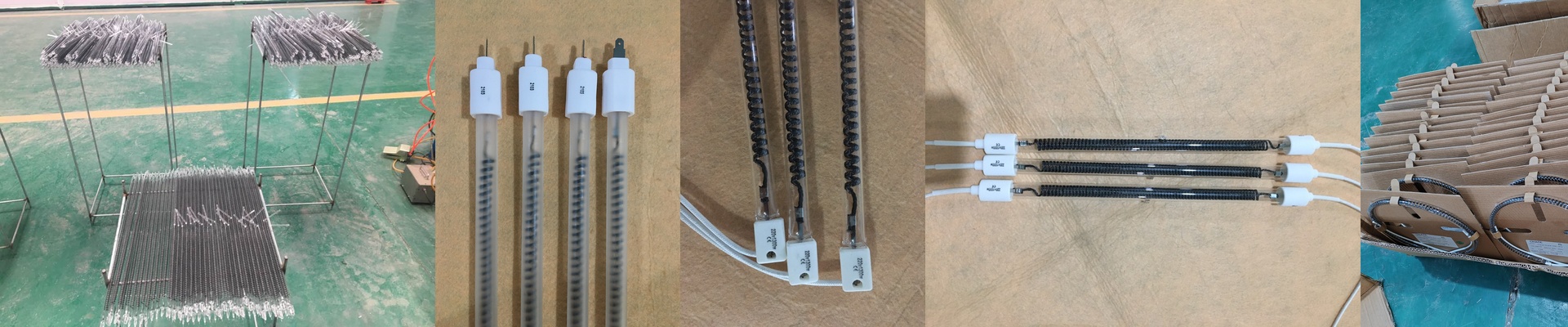
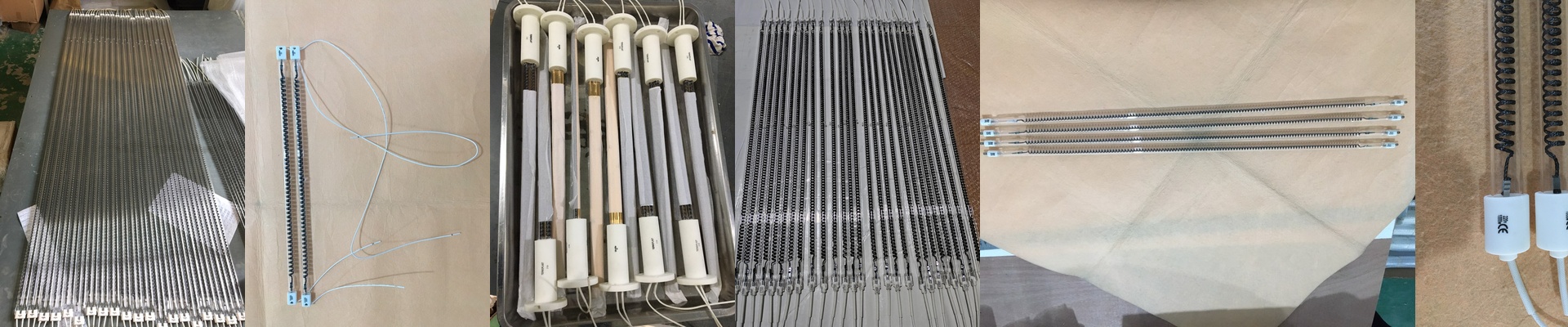
We build our clear visible carbon fiber filament heaters for engineers who need predictable, high-density heat in a compact footprint. This is a quartz halogen lamp built around a carbon fiber element, engineered to deliver intense infrared output for demanding industrial processes. You get a robust heater that is easy to wire up and holds its performance under continuous duty cycles.
Technical Deep-Dive: Power, Voltage, and Geometry
The core of this unit is the balance between power, voltage, and physical size. A typical configuration runs at 400V and 2500W, delivering a high watt density inside a 300mm quartz tube. That geometry is not arbitrary. The 300mm length concentrates the heat into a defined zone, giving you a tight hot zone without having to oversize the entire machine footprint. The 400V rating is chosen to keep current manageable while pushing power. Lower current means smaller feeder wiring, simpler insulation requirements, and less voltage drop across long runs. You still need to spec your supply and contactor correctly, and your cooling system needs to handle the ambient load. High heat density is the point, but it demands a system designed to manage it.
Material and Design: Carbon Fiber, Quartz, and the R7s Interface
The visible carbon fiber filament is not just for show. Carbon fiber provides stable resistance across rapid temperature swings and handles thermal cycling better than standard wire elements. It gives us a predictable heat curve and a long burn life when operated within design limits. The filament sits inside a clear quartz envelope. Quartz maintains high transmittance in the infrared range, so the energy goes straight to the target. It also withstands the thermal shock of fast start-up and rapid cool-down. We run a halogen gas fill inside the tube. The halogen cycle keeps the envelope clean by preventing tungsten deposition, which stabilizes output and extends service life. For termination, we use an R7s connector. The R7s interface is a proven industrial standard that provides solid contact, handles the thermal expansion of the quartz tube, and makes the unit a straightforward drop-in replacement in existing fixtures. You wire it up, set the alignment, and lock it in.
Application and Benefits: Precision Heat for Industrial Processes
This configuration is built for processes that need focused, rapid heating. In plastics, it is commonly used for preheating parisons and for localized heating during blowing operations. The clear tube and visible filament also make visual inspection easy, so you can spot degradation or contamination quickly during routine checks. The combination of high watt density, compact length, and a stable infrared spectrum allows you to shrink the heated zone and tighten process control. The R7s termination reduces installation downtime, and the quartz halogen design keeps output consistent over the service interval. The trade-off is straightforward. The 2500W density at 400V gives you serious heat, but it also requires proper heat management in the surrounding equipment. Plan your airflow, shield sensitive components, and match the power wiring to the load. When you do, this heater delivers repeatable, controllable heat that holds up on the shop floor.