Why an Infrared Carbon Heat Lamp Costs What It Does
So, you’re trying to figure out the price of an infrared carbon heat lamp. Here’s the real deal: you’re not just buying a lamp. You’re buying a specific kind of heat, packed into a tight space. These are built for industrial jobs where you need serious heat, fast, in a small spot. And that price tag? It’s all tied to the power, the voltage, and how big it is. Let’s get specific. A common setup is a 300mm tube that cranks out 2500W or 3000W. That’s a lot of heat from a pretty small package. You’ll often see 400V versions, too. They’re designed to plug straight into an industrial power line without needing an extra transformer. The wattage and voltage together determine how much current it pulls, which in turn tells you what size wiring you need. Go higher on the wattage, and you get faster heat-up. But it also means the lamp runs hotter, and your machine’s cooling system has to work harder.
The guts: why the details actually matter
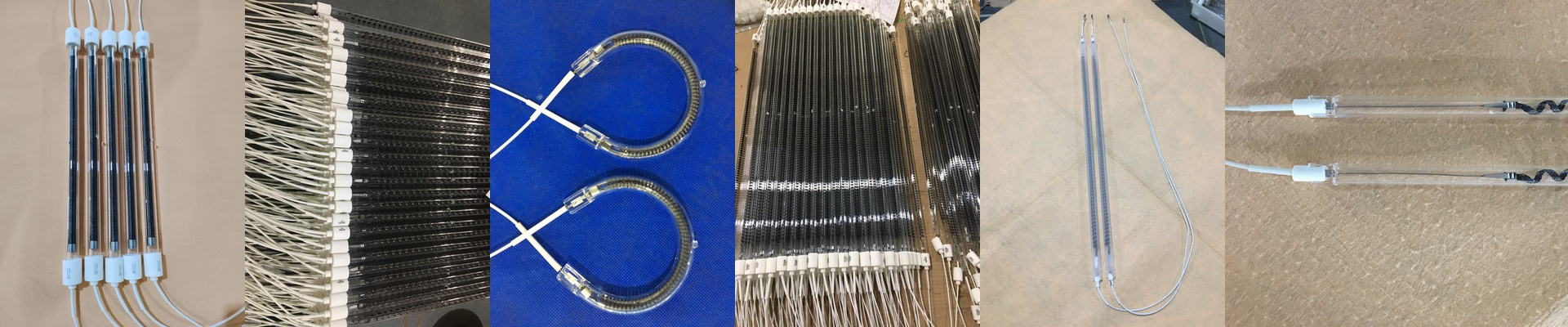
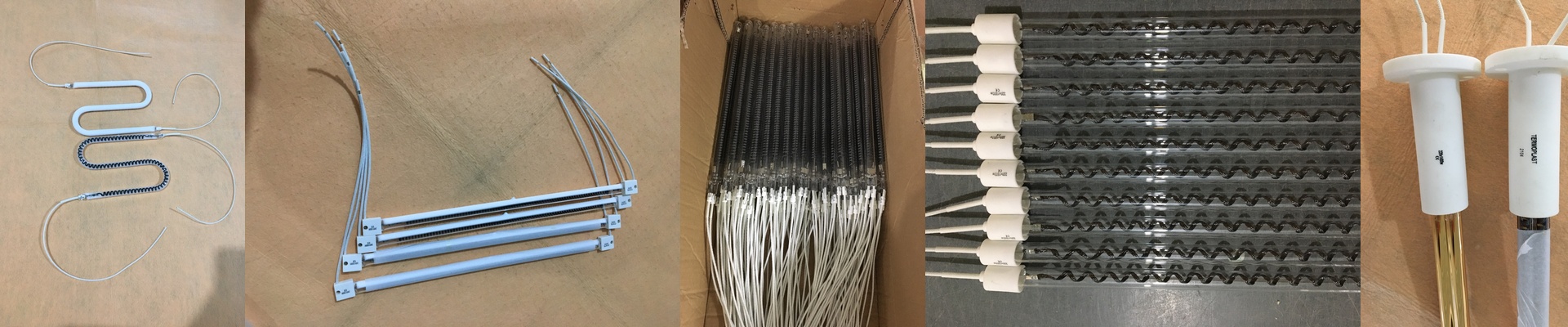
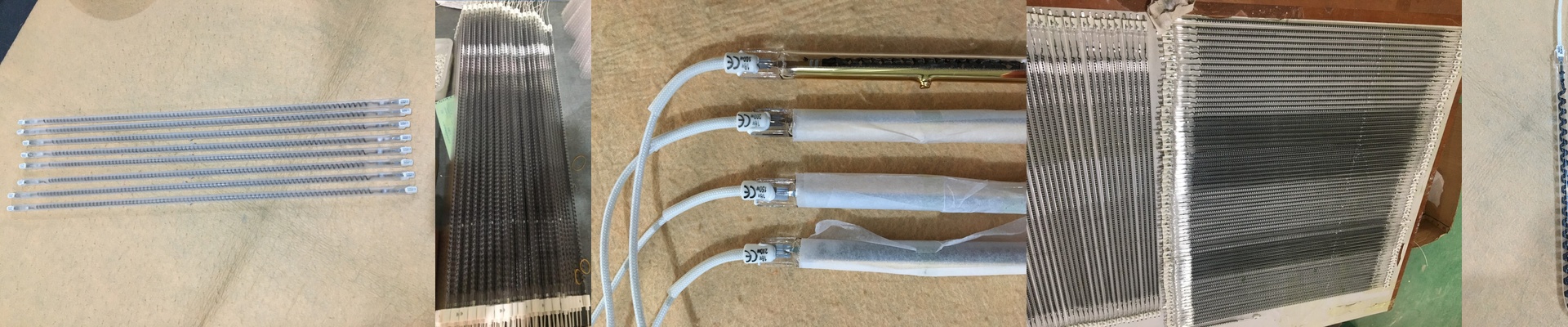
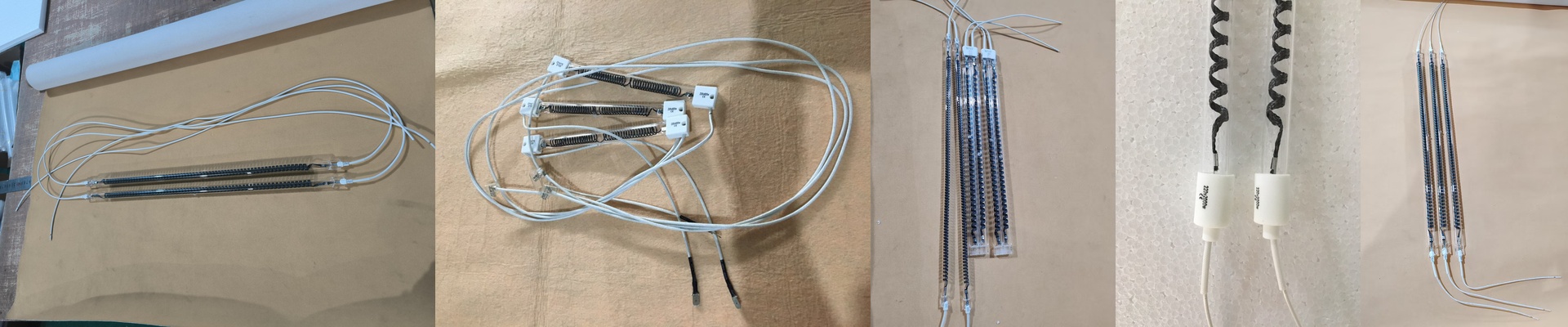
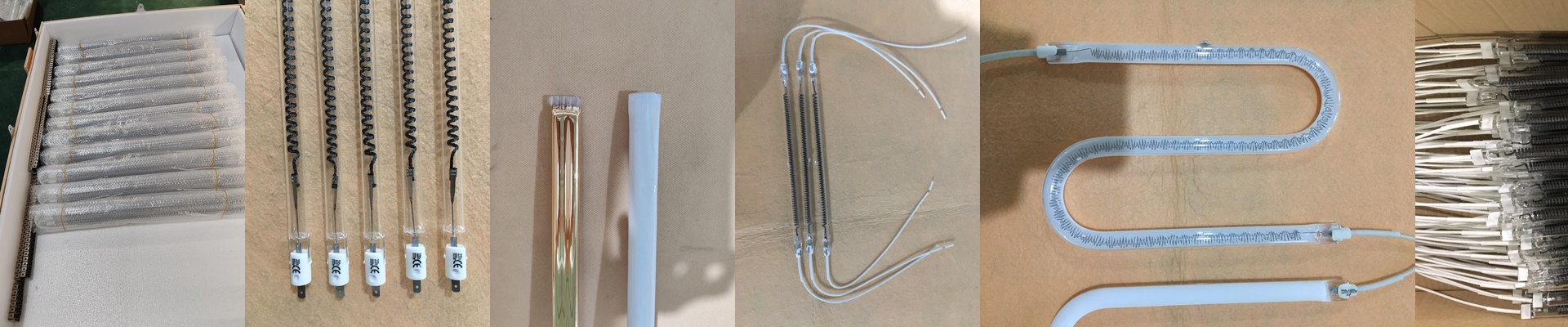
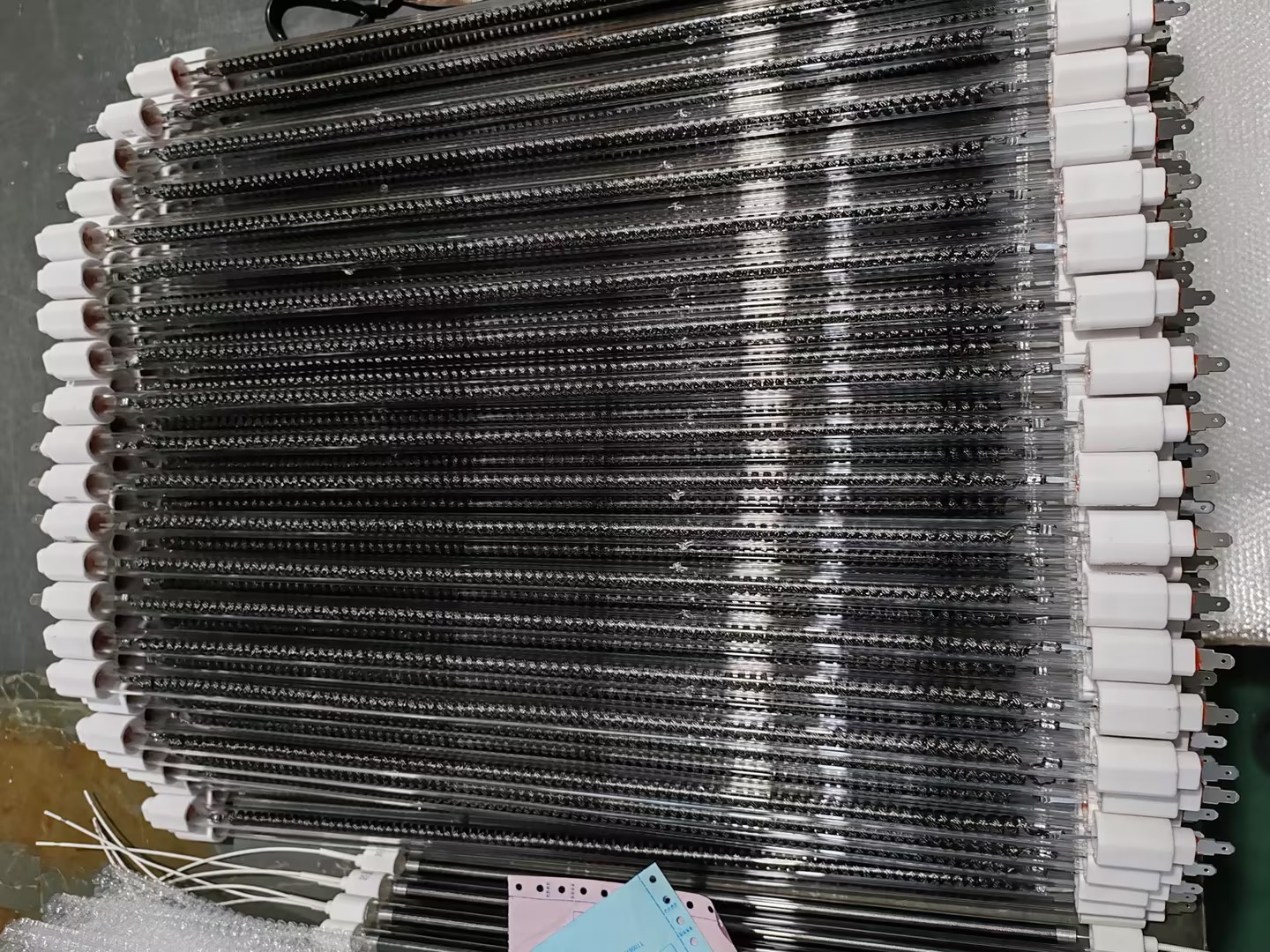
At the heart of it is the carbon filament, sealed inside a quartz tube. Carbon is a beast when it comes to handling rapid heating and cooling cycles. It’s tougher than tungsten in many industrial settings, which means fewer burnouts from flipping the switch on and off. That quartz tube gets a special coating to focus the heat into the shortwave infrared band. And that’s the magic. This shortwave heat doesn’t just warm the surface. It penetrates materials and heats them from the inside out. Then there are the connectors. You’ll see R7s or Sk15 fittings. These are industrial standards for a reason. They give you a secure, two-point connection that can handle the high current safely and lock the lamp in place so it doesn’t wobble. A loose connection here? That’s a fast track to arcing and a burnt-out lamp.
What it’s for, and why the price is worth it
In places like PET blowing or plastic welding, this lamp isn’t just a heat source. It makes the whole process possible. The shortwave response gives you precise, localized heating without turning the rest of the machine into a furnace. This kind of precision cuts down on wasted material and shortens the cycle time. So, why the price tag? Because you’re paying for engineered reliability. Sure, you could go with a cheaper ceramic heater. But it won’t deliver the same heat density or speed in such a compact form. When you buy a carbon lamp, you’re buying a rugged, drop-in component that’s built to take a beating. The trade-off is that it needs proper mounting and solid cooling. Think of it as part of a system. When you do, the price starts to look less like a cost and more like an investment in keeping your machines running and your process consistent.
- Infrared
- Carbon
- Heat
- Lamp
- Prices
- 1500w 230v Sk15 Half White Ir Heater Lamp Halogen Infrared Heat Lamp for Pet Bottle Blowing Machine
- Sk15 Tungsten Quartz Infrared Heating Lamp for Pet Blowing Machine
- 400v 2500w Sk15 Half White Plated Halogen Heating Tube Ir Infrared Heat Lamp for Pet Bottle Blowing Machine