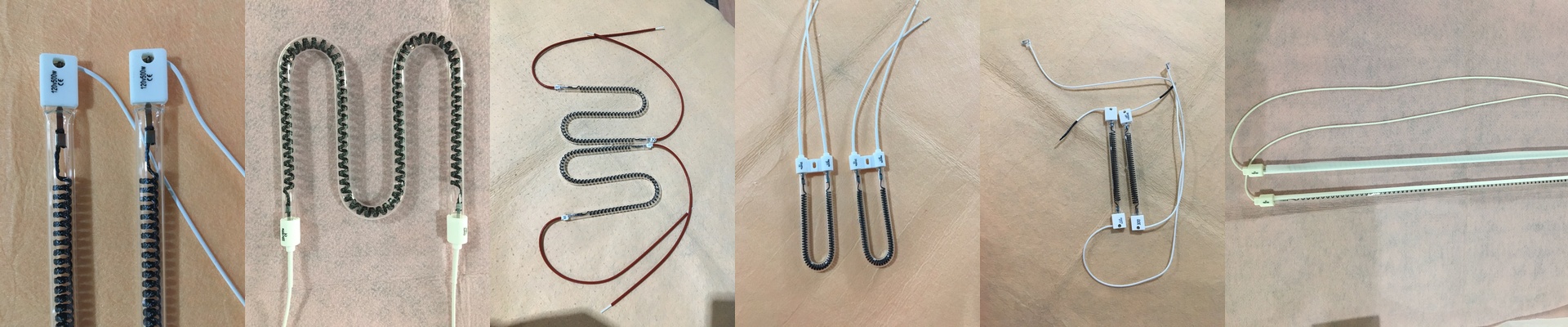
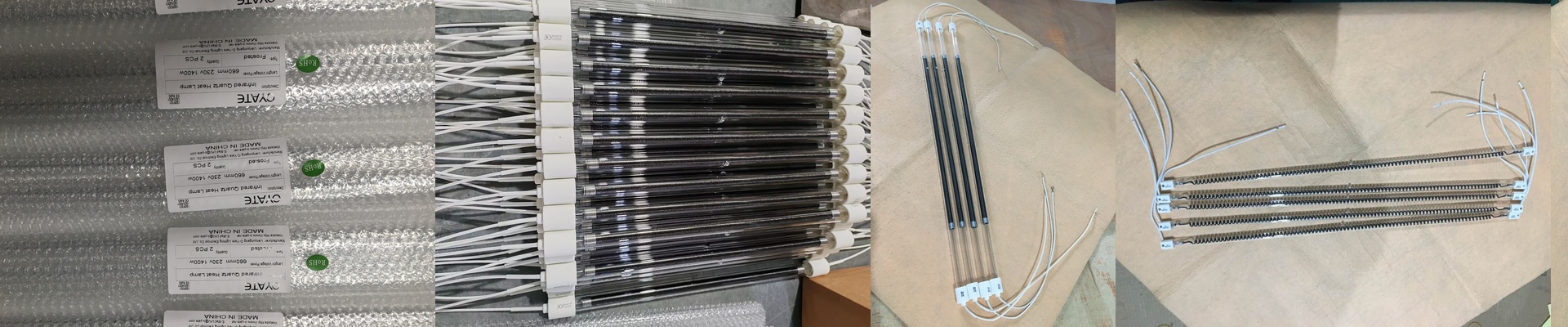
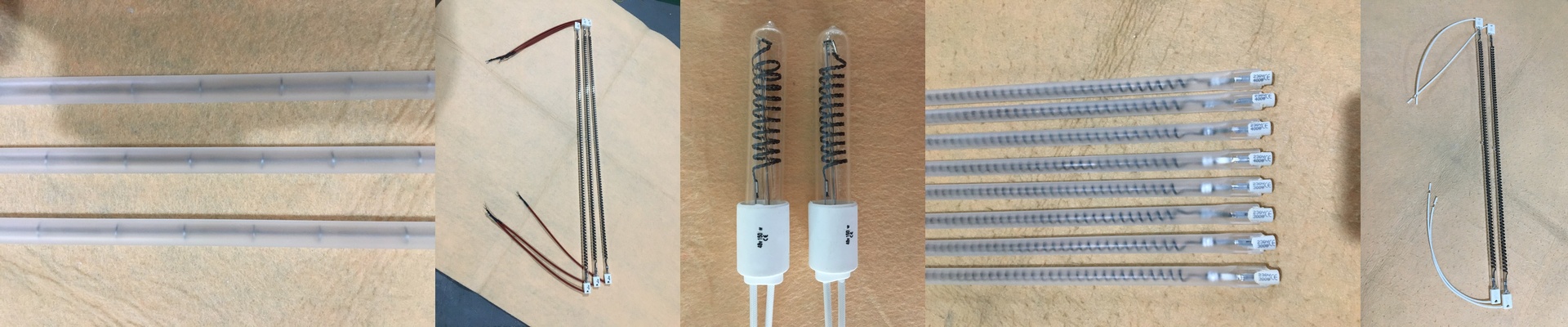
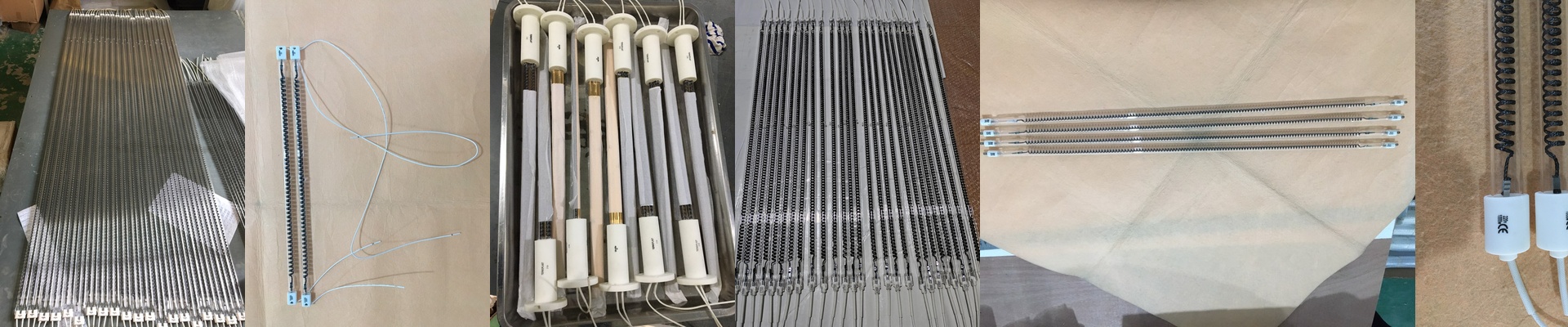
The 640mm Infrared Carbon Heating Lamp: Precision Heat for Tight Spaces
We built this 640mm infrared carbon heating lamp for the moments when you need serious heat in a small footprint—and you need it to be rock-solid, every single time. Think spot heating, line heating, and drying parts that can’t afford to wait. The whole point is simple: pack a ton of infrared power into a compact space, without forcing you to redesign your whole setup.
Power, Voltage, and Size—Kept Real
That 640mm length isn’t just a number. It gives you a clean, predictable heating zone with a steady temperature across the target. When you’re running a continuous line or repeating a cycle, that consistency matters. We typically run these on high-voltage industrial power. Why? Because higher voltage means lower current for the same power, so your wiring stays manageable and you don’t lose a bunch of energy to connection heat. The wattage is matched to the length, so you get the heat density you need without pushing the filament beyond its comfort zone. And here’s the practical part: this configuration is meant to drop straight into existing fixtures. If your machine already fits a 640mm tube, you can swap in and get the output you need—no redesigned reflector, no mounting headaches.
Built to Take It: Carbon Filament, Quartz Tube, R7s Ends
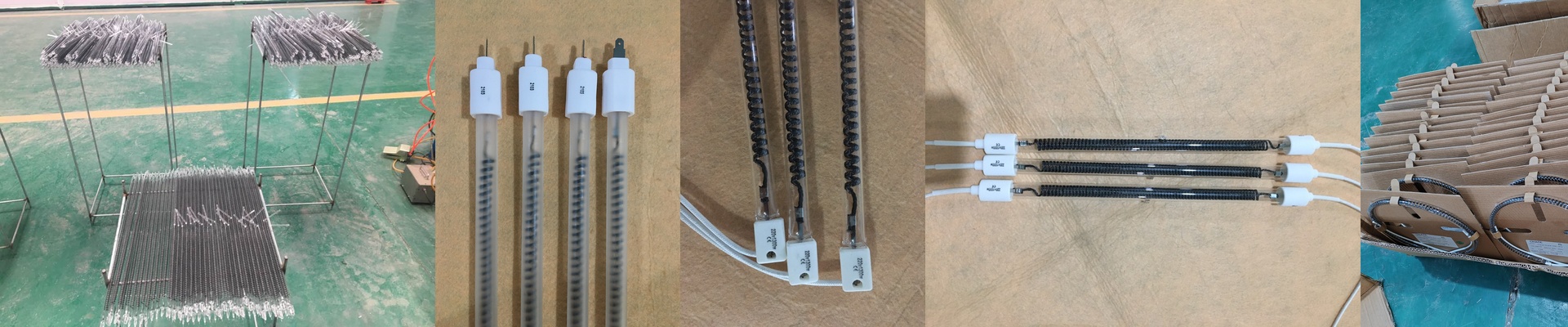
Inside, you’ve got a carbon filament housed in a quartz tube. Carbon handles sudden temperature shifts way better than a lot of metals, and quartz stays steady even when things get seriously hot. It’s the kind of combo that keeps working when the environment gets rough. We use an R7s connector because it’s a trusted standard for double-ended linear lamps. It locks in cleanly, lines up the same way every time, and makes replacement quick. The terminals stay tight through repeated heating and cooling cycles, so you avoid hot spots and connection failures that can sneak up on you. The quartz envelope is also chosen to let infrared energy pass through cleanly. More usable heat gets out, and less gets soaked up by the lamp itself.
Heat Where You Need It, When You Need It
This lamp is at its best when you need fast, localized heating. You’ll see it used for plastic forming and drying, curing adhesives, activating coatings, and preheating components. Infrared hits surfaces directly, so you can cut down on cycle time compared to heating the whole space with convection. That said, high heat density comes with a responsibility: your fixture and nearby parts need to be ready for the temperature. Plan the install by matching the lamp length, voltage, and wattage to the job, and you’ll get repeatable heat with minimal fuss.