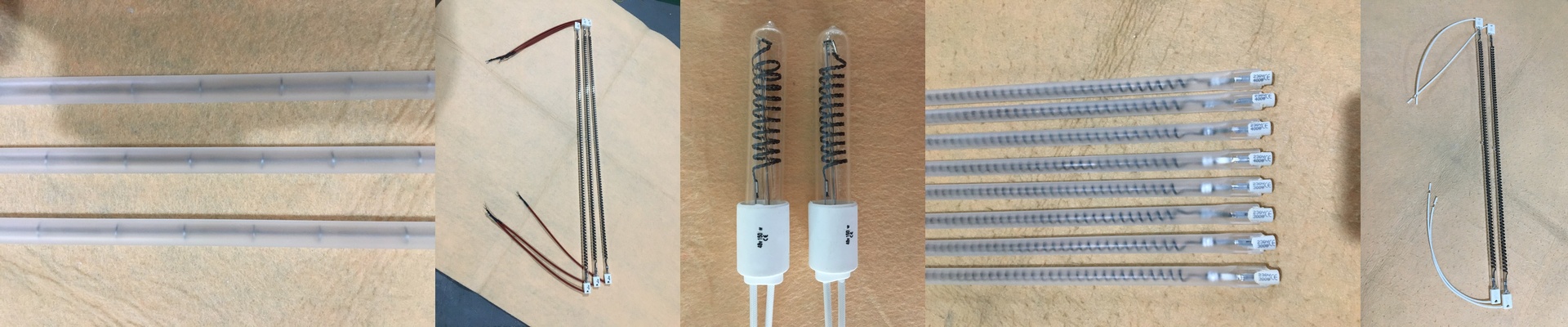
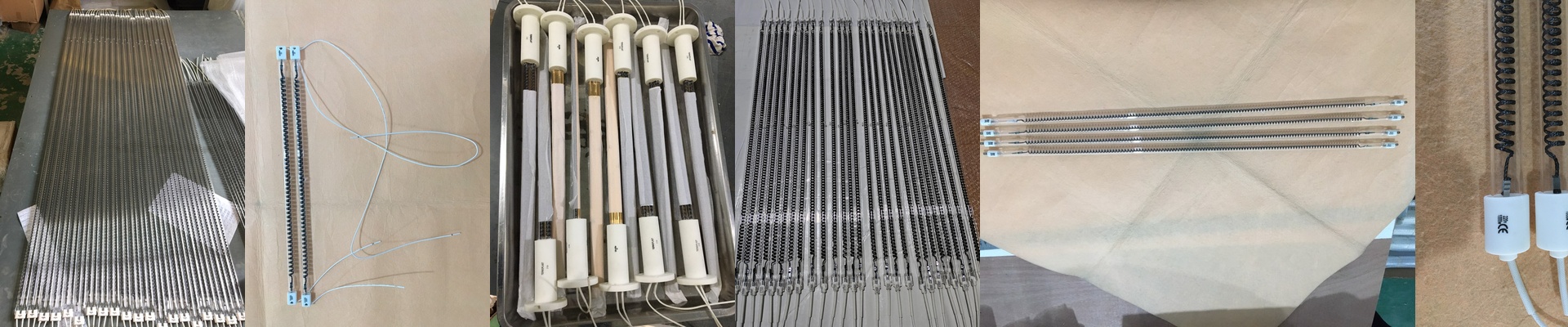
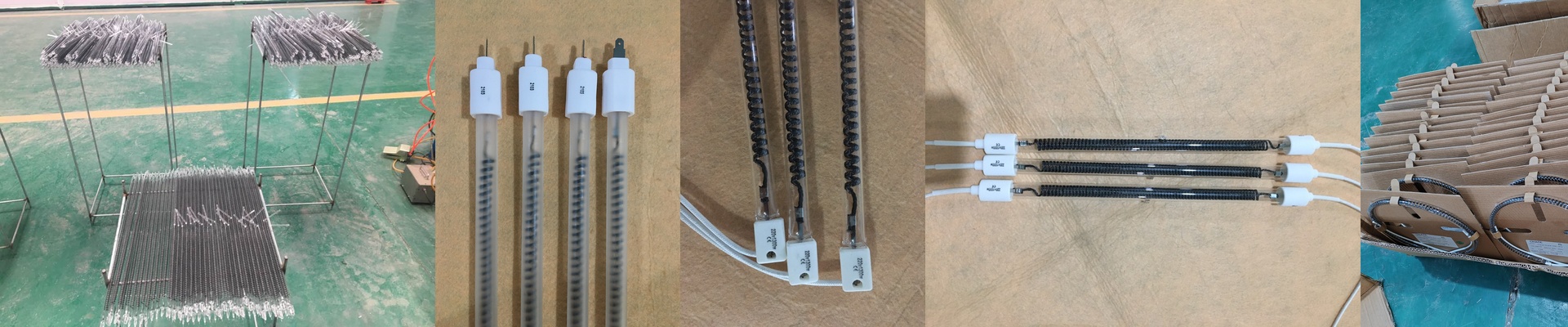
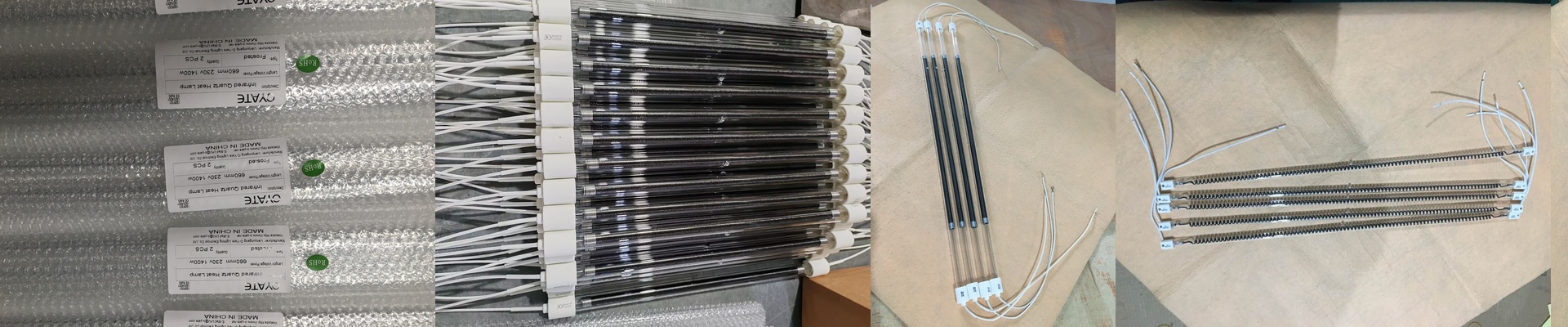
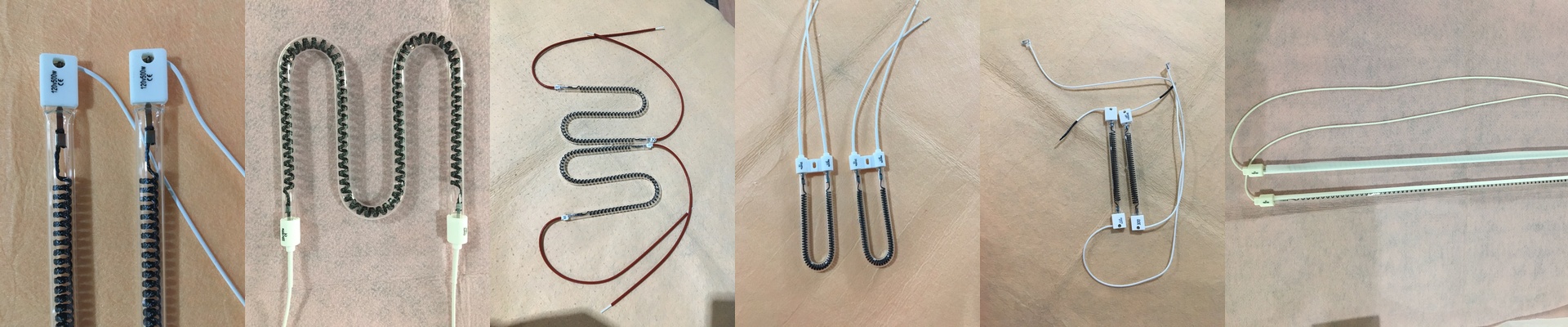
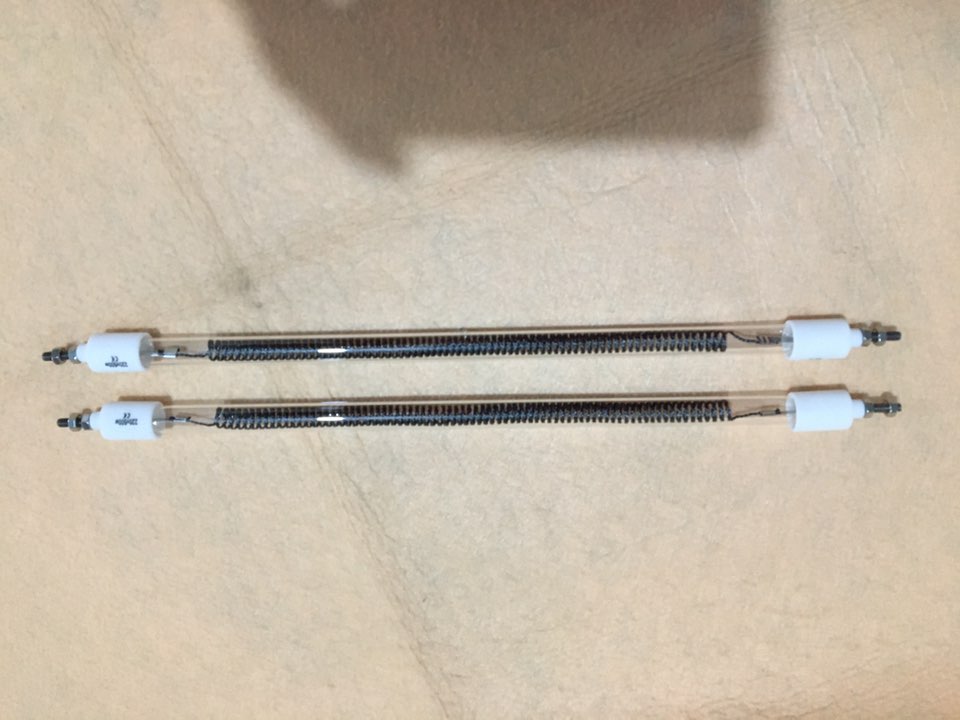
The carbon Fiber Infrared Heating Lamp: 500mm, 700W Power for Industrial Heat That Moves Fast
We built this carbon fiber infrared heating lamp for the engineers who need serious heat—right where they need it, and without taking up a ton of space. The specs are simple, and that’s the point: a 500mm tube packing 700W of radiant power. This is the kind of output you lean on when your standard heating element just can’t get to the target temperature quickly enough.
Power, Length, and Responsiveness—Without the Fluff
A 700W rating on a 500mm length means high watt density. In real life, that translates to fast heat-up and more precise temperature control. The carbon fiber element reacts quickly to what you tell it to do, so you see the heat profile shift almost immediately. It gets up to operating temperature fast—perfect for short cycle times on conveyor lines and automated stations. Here’s the thing, though: high density comes with real-world requirements. You need proper airflow and enough clearance around the mount. If you try to stuff it into a tight enclosure with no ventilation, the sheath will run too hot, and you’ll shorten its lifespan.
Why Carbon Fiber? Why This Design?
Carbon fiber elements keep resistance stable even as temperatures swing, so the output stays consistent over time—even as the lamp ages. The quartz envelope does two jobs at once: it protects the element and lets infrared energy through cleanly. The 500mm length gives you a clearly defined heat zone that’s easy to line up with the part moving through. And because it’s built on a standardized form, it can drop right in as a replacement in many existing fixtures.
Where This Lamp Earns Its Keep
Use it wherever you need fast, localized heating—coating curing, adhesive activation, plastic preheating, component drying. The combo of 700W power and the 500mm geometry lets you match the heat zone to the product, so you waste less energy and you don’t end up overheating the surrounding parts. We spec it for industrial duty, but it still has to be matched to your control strategy and thermal load. Push it beyond what it’s rated for, and you’ll burn the element out early.