Stop Burning Out Your IR Lamps
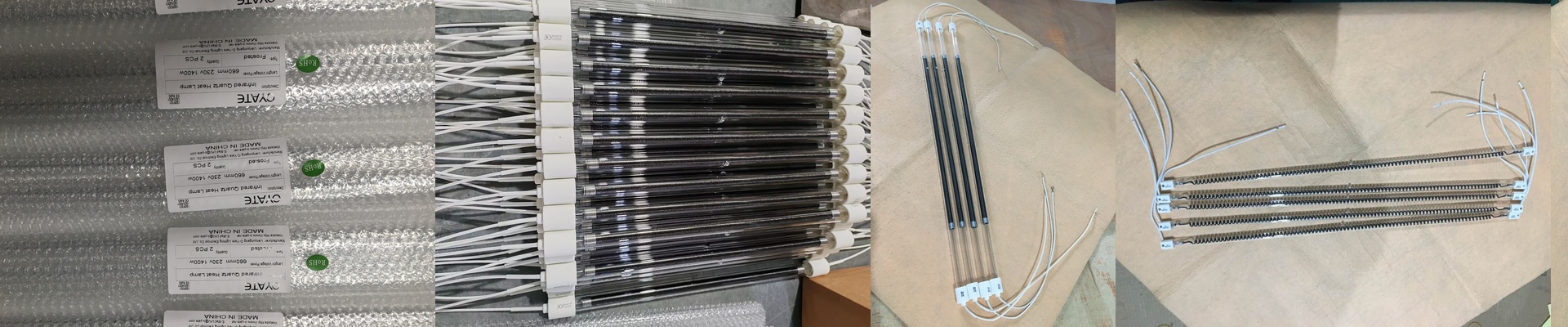
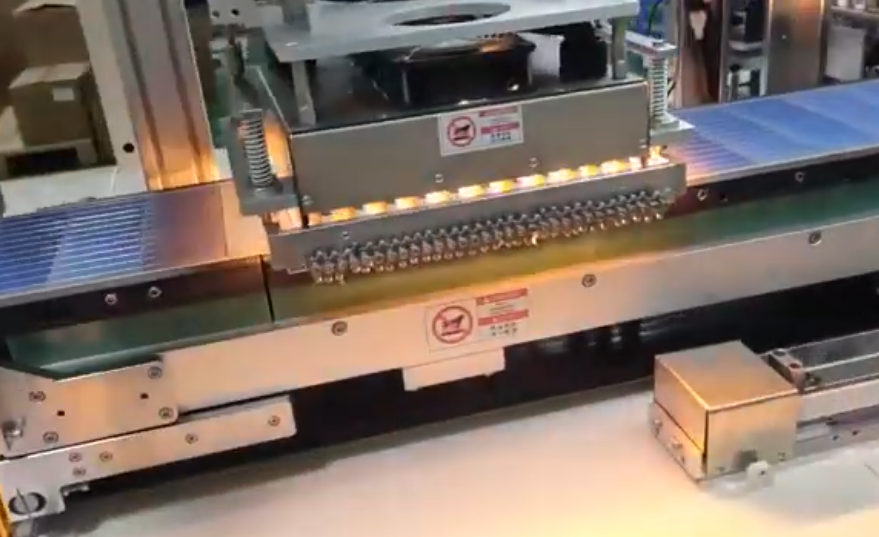
If you’re using infrared lamps to heat smart meter PCBs, you already know the headache: solder fumes. Those fumes are nasty. They’re full of volatile organic compounds and flux residues that love to settle right on the quartz glass of your heating lamps. Once they’re there, they bake on. This creates “hot spots” on the tube, and before you know it, your lamp is burnt out way sooner than it should be. It’s a frustrating cycle. Enter the air curtain. Instead of just letting those fumes drift wherever they want, we built a protection system right into the IR module. It basically blows a steady stream of filtered air across the face of the lamp. Think of it like an invisible wall of air. The fumes hit that wall and bounce off, meaning they never even touch the glass. Your heating surface stays clean, and your heat transmission stays steady. No gunk, no hot spots. Now, there is a bit of a balancing act here. We use short-wave infrared emitters because they punch through the PCB substrate fast, which keeps your cycle times low. But since we’re blowing air to keep the lamps clean, you have to watch your airflow velocity. If you crank the air too high, you’ll start cooling down the PCB surface. That’s how you end up with uneven soldering or those annoying cold joints. You just have to find that sweet spot—enough pressure to block the fumes, but not so much that you’re stripping the heat away from the board. When it comes to actually getting these on your floor, we made the footprints drop-in replacements for standard IR banks. Just make sure your power supplies are stable; you don’t want any flicker messing with your thermal profile. The real win here is the downtime. When you stop the lamps from getting dirty, you stop the constant cycle of swapping out dead tubes. You spend less time tinkering with the machine and more time actually running your line.