Introduction
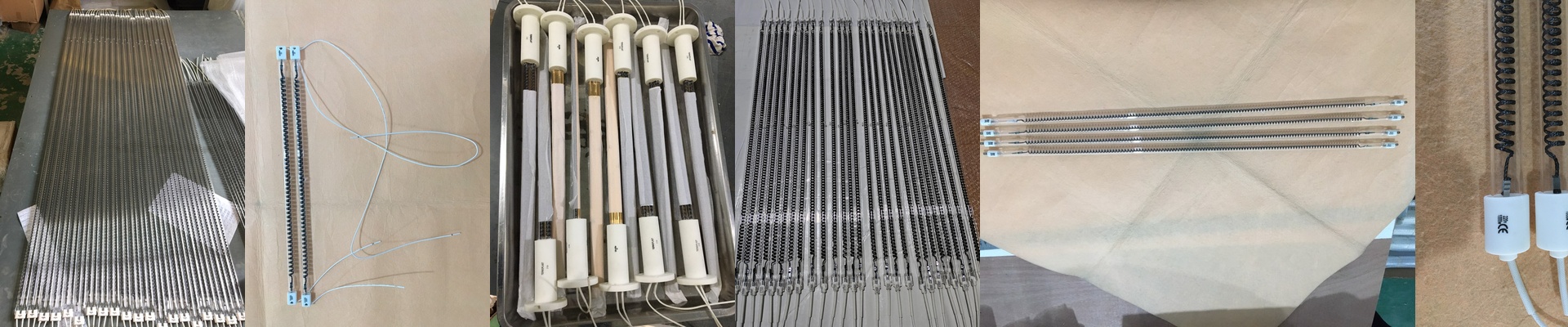
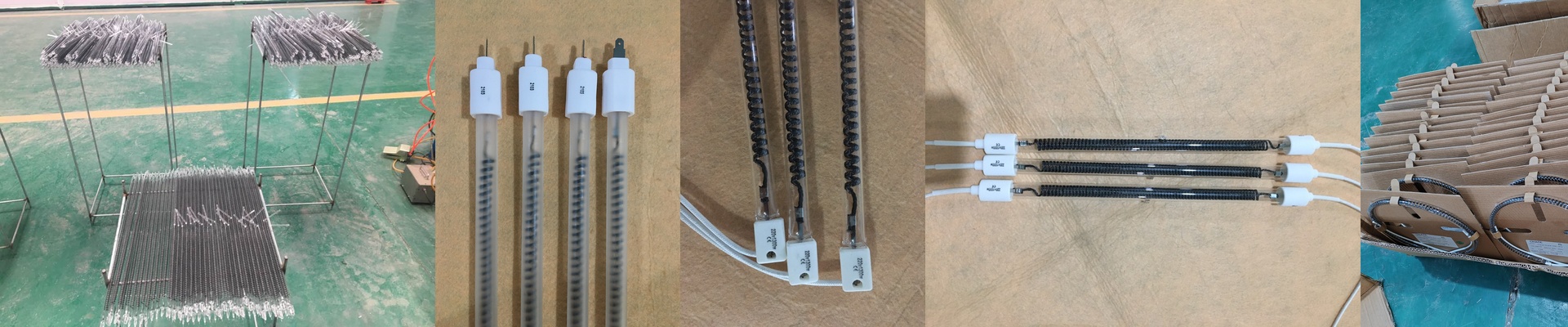
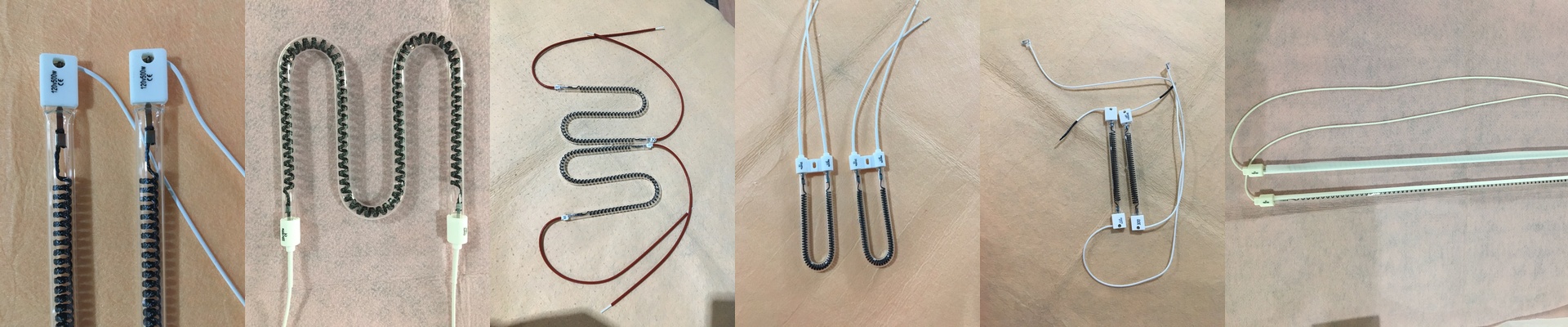
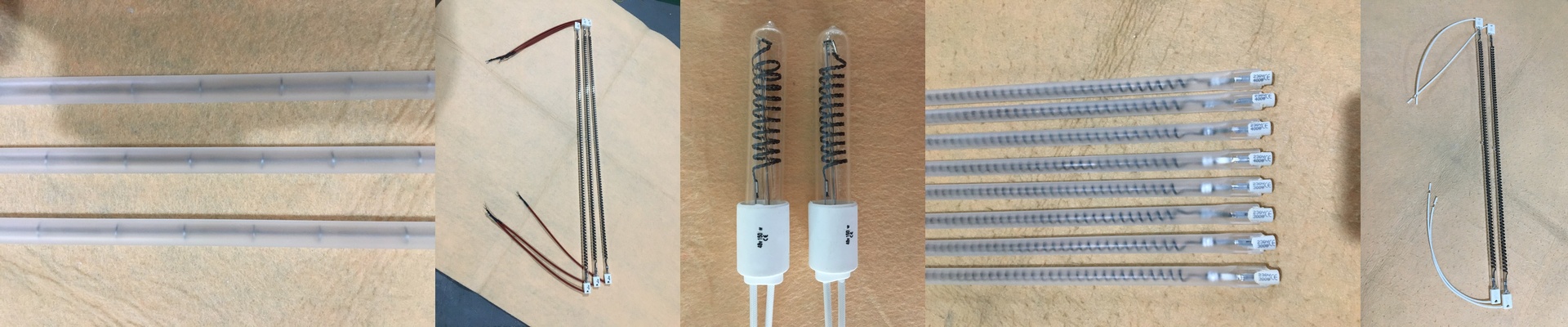
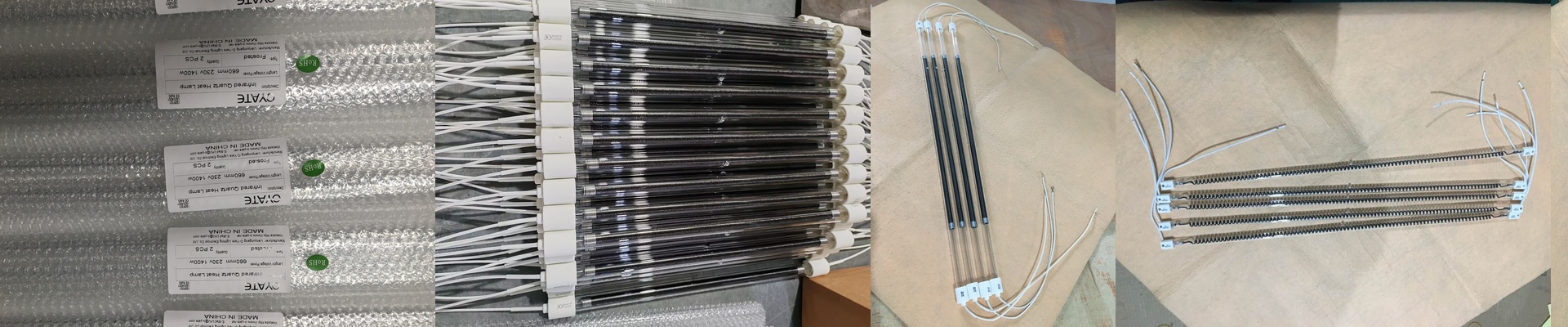
We built the 1000W carbon fiber heater lamp to be a seriously compact, high-intensity infrared heat source—exactly what you need for industrial process heating. It’s for engineers who want heat that comes on fast, stays steady, and fits into tight machine bays. No more wrestling with bulky, old-school coil heaters.
Power, Voltage, and Size—Kept Real
The 1000W rating is all about heat output, and that power density is why it shines for spot heating and continuous line heating—especially when you can’t afford to wait. You can spec it to match your control setup, with voltage options that let you wire it straight into your existing panel. No need to redesign the whole power section. Physically, it’s built on a standard tube form factor—about 300mm long and 10mm across. That size isn’t random. It gives you enough radiating surface to spread the heat evenly, while still slipping into crowded tooling zones. And because it’s compact, you can focus the energy right where the process needs it. Less wasted heat on parts that don’t need it.
Materials and Design—What Makes It Tick
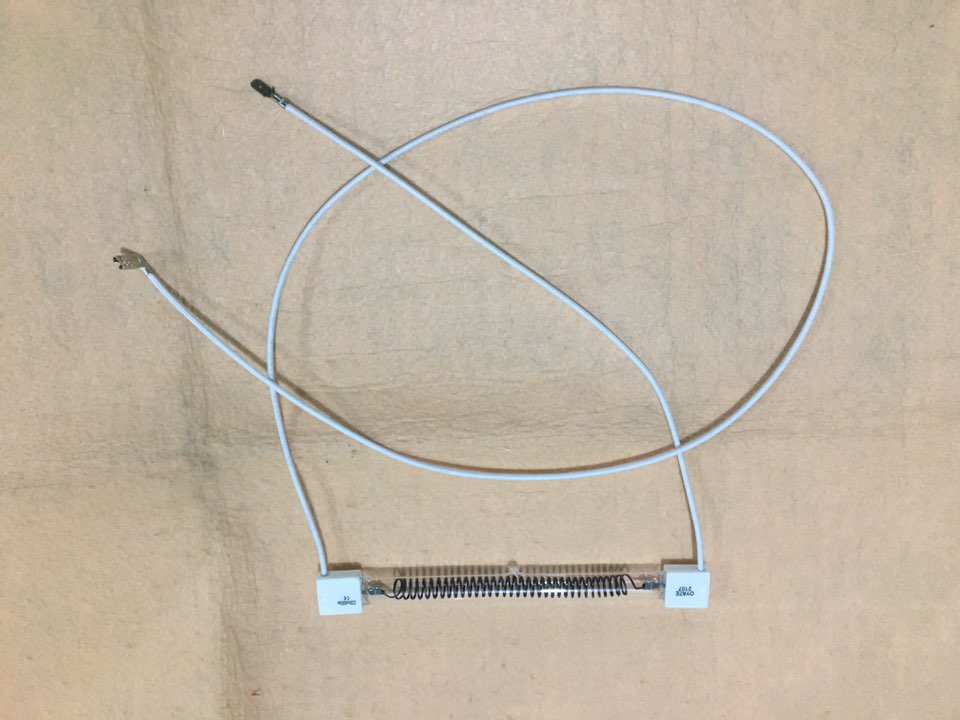
At the heart is carbon fiber, chosen for its consistent resistance and quick thermal response—way snappier than conventional wire elements. The element sits sealed inside a quartz envelope. It handles high temperatures and stays chemically stable, even in tough industrial environments. To keep output steady over time, we use a halogen cycle inside the lamp. That helps reduce the blackening that can rob brightness and heat as the lamp ages, so performance stays more consistent between maintenance. For integration, it’s fitted with an R7s base—a double-ended pin interface that makes mounting straightforward and the contact reliable in industrial fixtures. Swapping lamps is quick, and the mechanical design stays simple.
What It Enables—In the Real World
This setup is made for applications that demand fast, controllable heat: plastic processing, adhesive curing, coating drying, and component testing. The carbon fiber element heats up quickly, and the quartz envelope handles repeated thermal cycling without cracking under typical shop conditions. Now, here’s the trade-off: packing 1000W into a small footprint creates serious heat density, so your machine needs to manage airflow and thermal load around the lamp. Plan for proper cooling and mounting clearance, and you get repeatable temperature performance and a long service life—with minimal downtime.