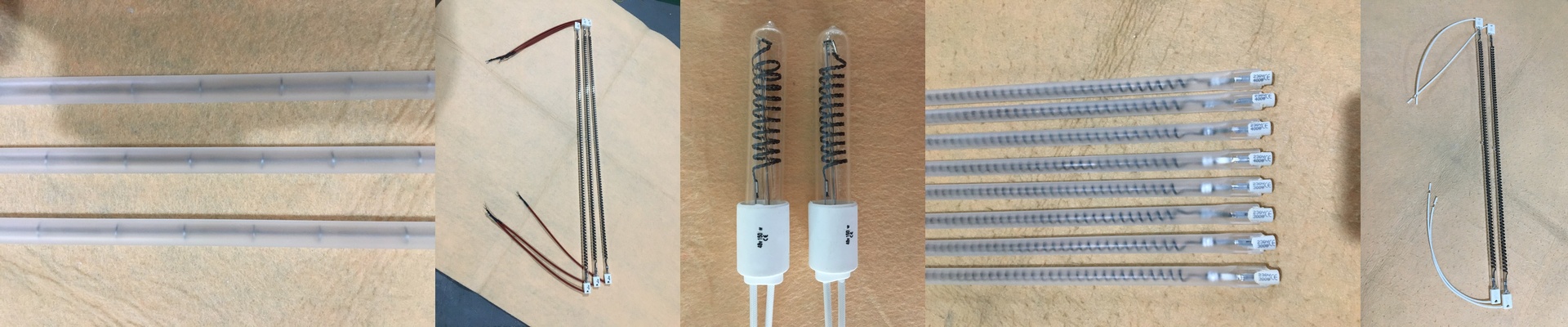
Introduction
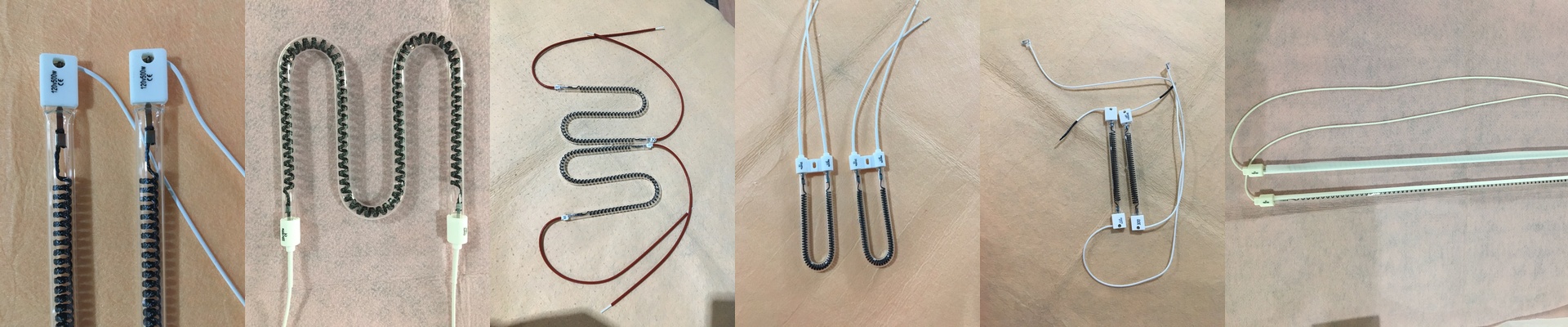
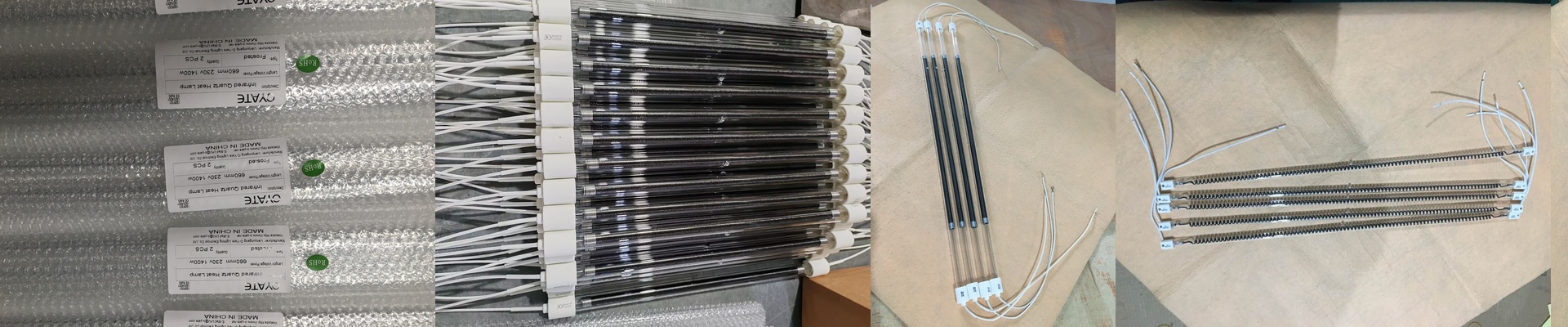
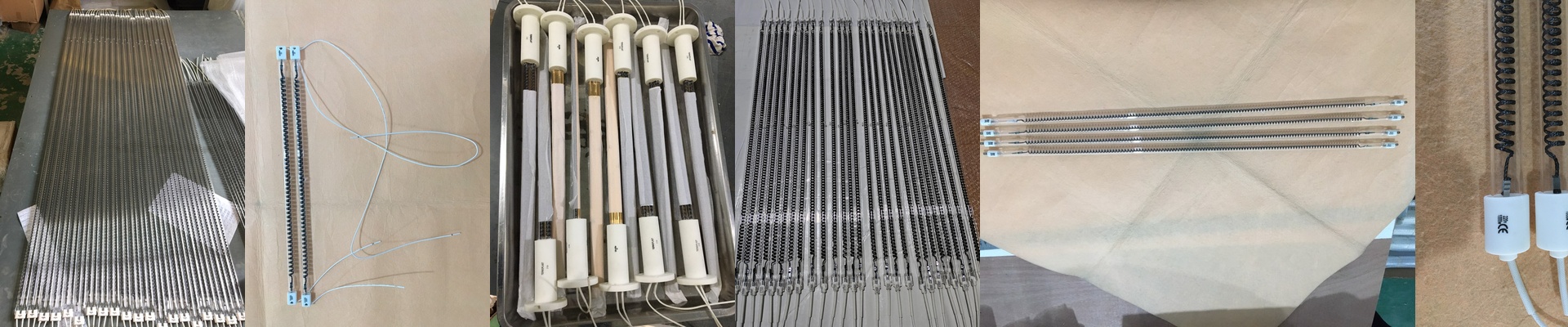
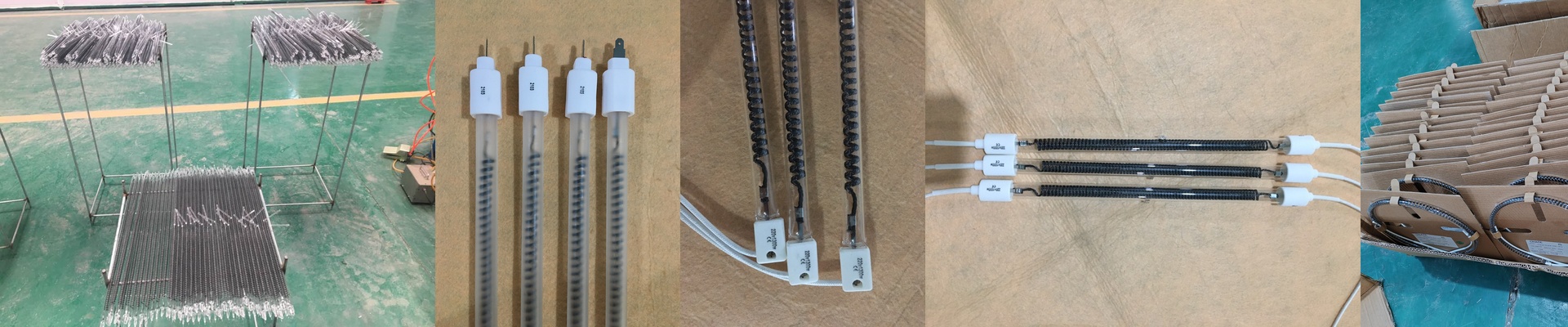
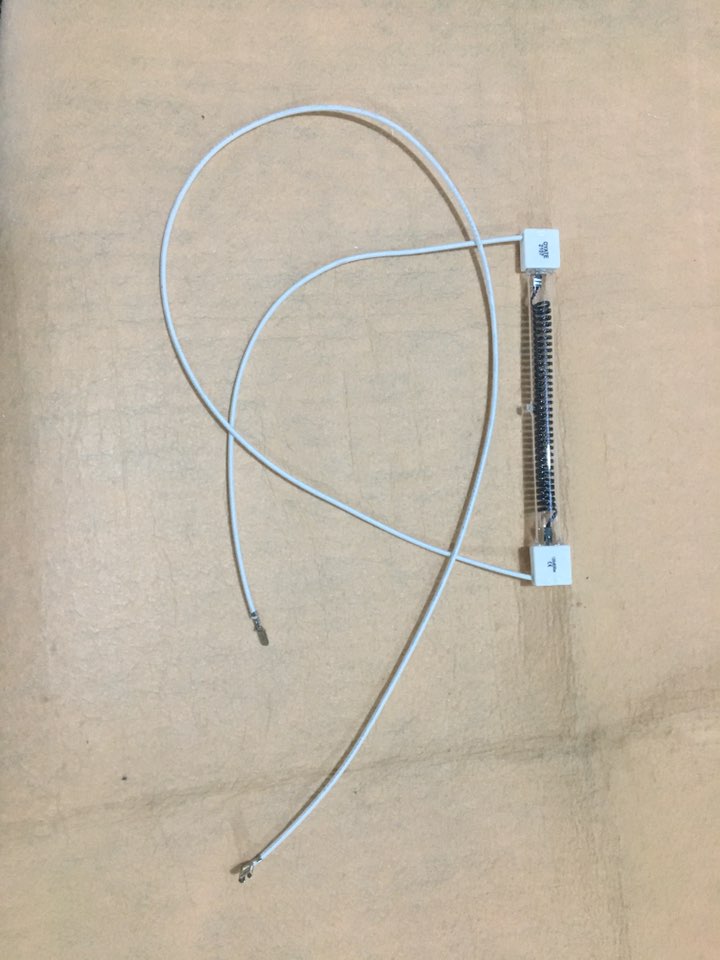
We built this 545mm, 220V, 1000W Clear IR Carbon Fiber Heating Lamp for one reason: to give industrial work a heat source that’s fast, direct, and totally under your control. It’s line-of-sight heat. Point it where you need the warmth, and it delivers. No fuss. No waiting around. And you can dial the output up or down simply by adjusting the voltage.
Power, Voltage, and Size: What It Means for You
At 1000W and 220V, it pulls a steady, predictable load that works smoothly with standard 220V control circuits. No surprises, just dependable power. That 545mm length isn’t random. It’s chosen to give you a clear, focused radiant field. You get serious heat density right where you aim it. But here’s the catch: because the heat is so concentrated, you have to mount the lamp at the right distance. Too close, and you risk overheating the target. And yes—the lamp itself runs hot. Plan clearance and shielding. It’s just part of working with this kind of focused power.
The Build: Carbon Fiber, Clear IR, and Why It Matters
The carbon fiber heating element is the heart of it. It holds steady resistance even when temperatures swing, and it’s far less likely to burn out from hot spots than traditional coiled wires. The clear quartz envelope? Two big wins. It lets infrared energy pass through cleanly, and it gives you a clear visual—right there on the shop floor—that the lamp is on. This design runs hotter than coated versions, so thermal management isn’t optional. It’s part of the setup. On the bright side, wiring it into a 220V supply is straightforward, and the full-length design makes mounting simple, especially if you’re dropping it into existing reflector channels.
Where It Shines—And What to Keep in Mind
Use this lamp when you need heat that wakes up fast and holds steady—preheating molds, drying coatings, curing adhesives, or heating plastics. The response is quick, which helps when your process runs on tight timing. And the footprint is compact, so it fits where space is tight. Just remember the trade-offs. The surface gets seriously hot, so proper guarding and ventilation are a must. And because the envelope is clear, you’ll want to protect it from contact and contamination.