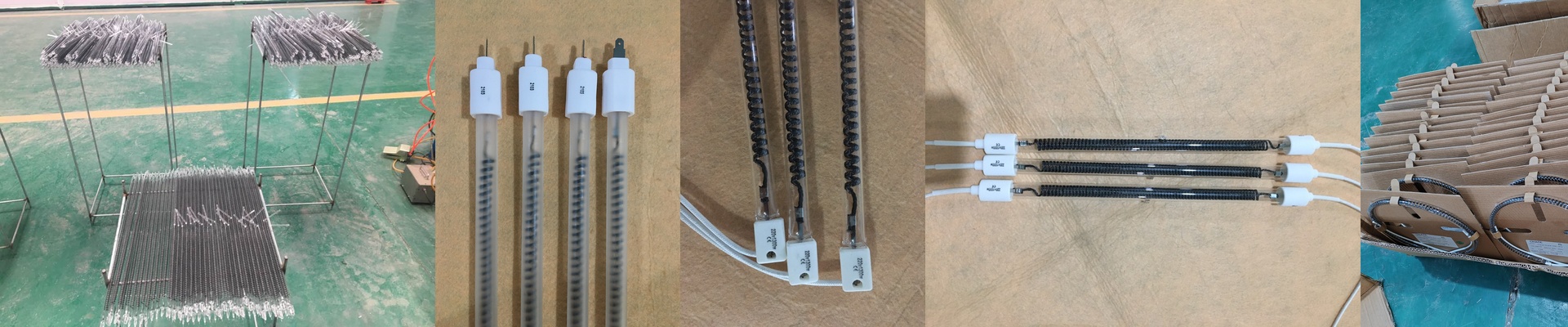
Let’s Talk About Carbon Fiber Heating Tubes
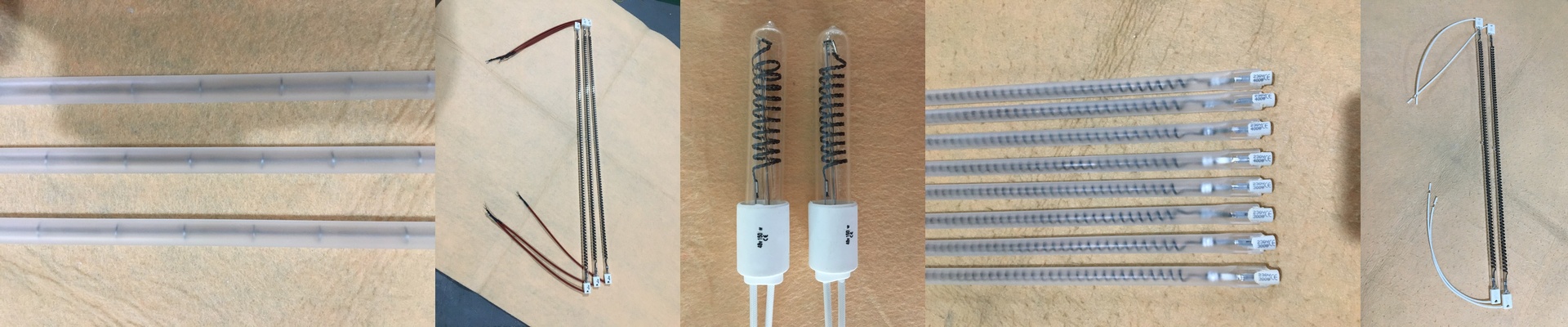
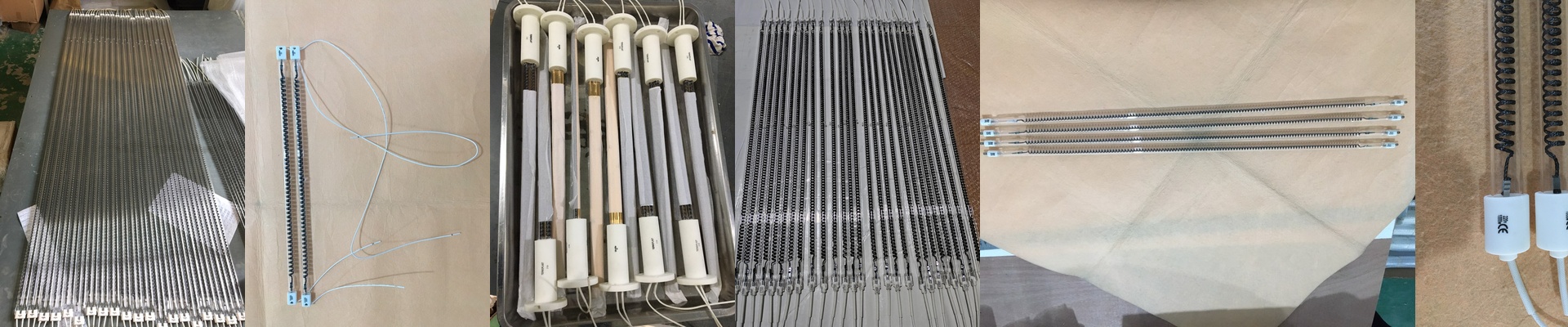
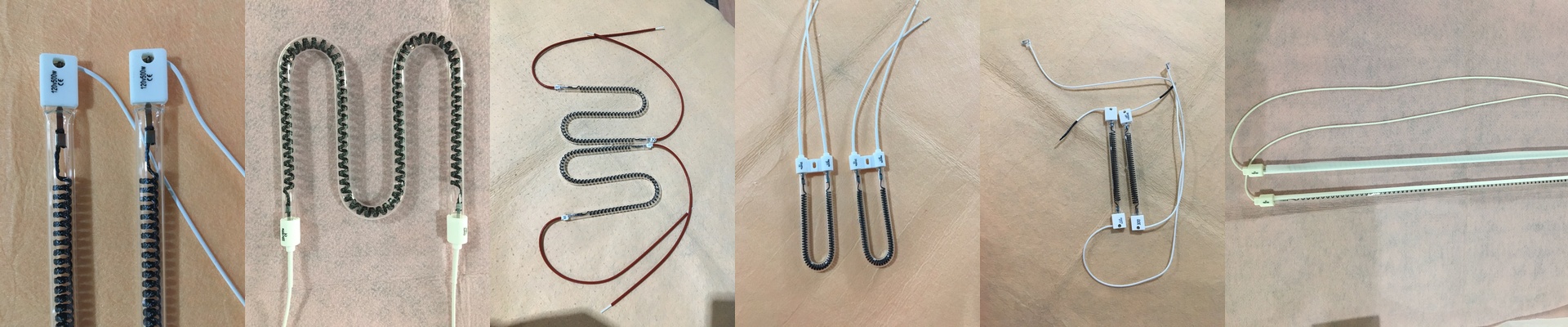
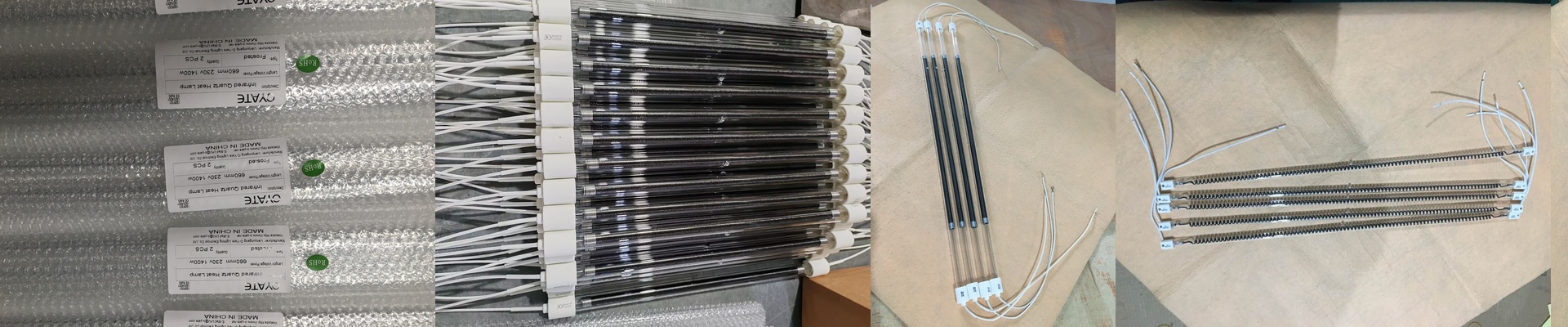
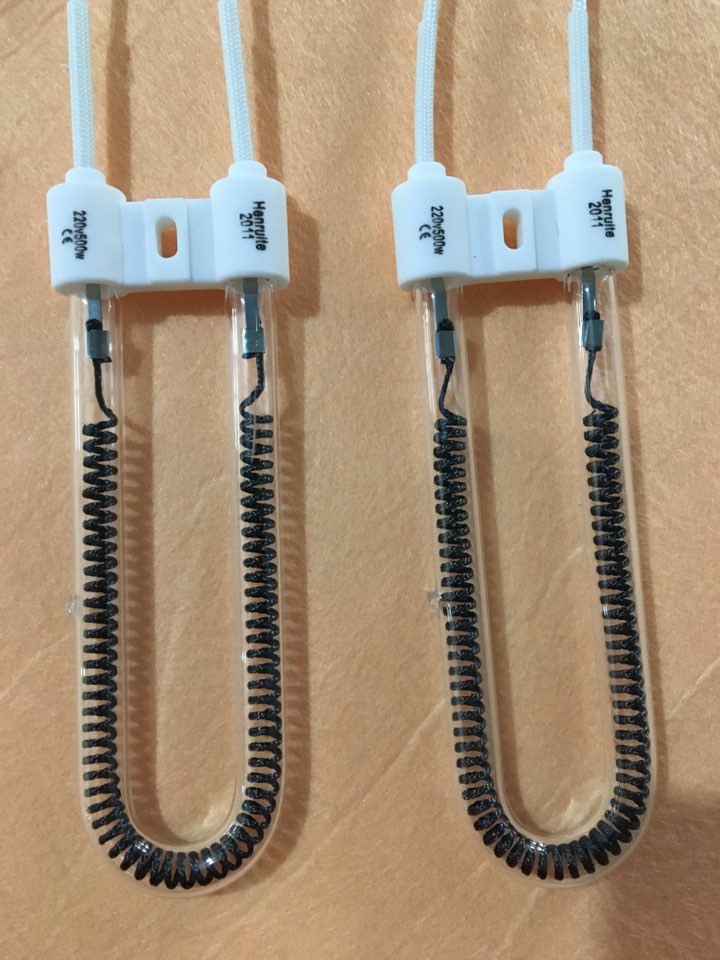
Ever wonder how these things actually work? It’s pretty simple. We run electricity through a carbon-fiber weave, and that energy turns into long-wave infrared heat. Instead of relying on a metal coil to get hot and then hope the heat moves, carbon fiber just pushes that energy straight into your material. Getting the heat right We design these tubes to pack a lot of punch into a small space. If you go for a high-wattage setup, you’re going to see your machines ramp up way faster. No more sitting around waiting for things to warm up while you waste power. But here’s the thing: you’ve got to get your voltage spot on. If it’s too low, you’ll get cold spots. Too high? You’ll fry the filament. Simple as that. What’s inside the tube? The “heart” is the carbon fiber, but we wrap it in a high-purity quartz or ceramic sleeve. Think of it as a shield that keeps the fiber safe from oxidation and accidental bumps. We also use special seals on the end caps. Why? Because moisture is the enemy here. If a little dampness creeps in, the tube is going to fail way sooner than it should. And a pro tip: watch your wiring. The connection points are usually where things go wrong. If the wires aren’t snug, the heat will cause them to expand and loosen, which leads to arcing. Not a good look. Putting them to work These are perfect for drying, curing, or working with polymers—basically anywhere you need the heat to soak deep into the material. Since it’s long-wave IR, a little bit of surface dust or grime won’t kill your efficiency like it would with short-wave lamps. You can wire them in series or parallel, depending on how you want to control your zones. One last thing. The carbon fiber is tough, but that quartz sleeve? It’s glass. It’s brittle. If your machinery shakes or vibrates a lot, please,use shock-absorbing mounts. Otherwise, you’re just waiting for a crack to happen.