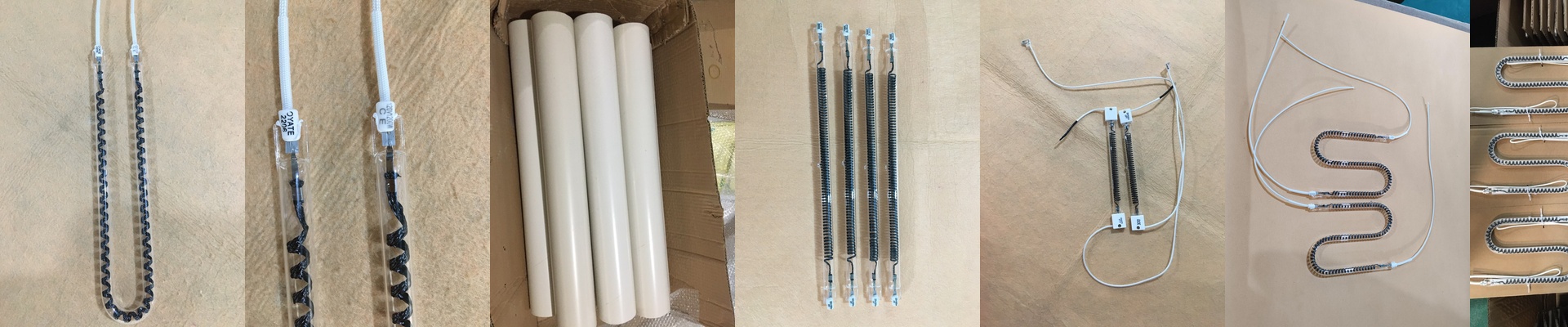
How We Build Our Carbon Fiber Quartz Lamps
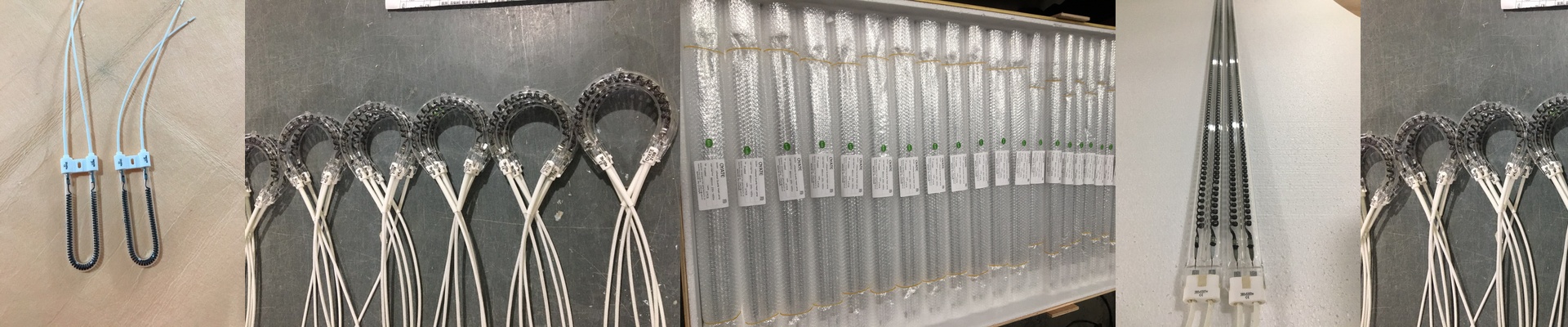
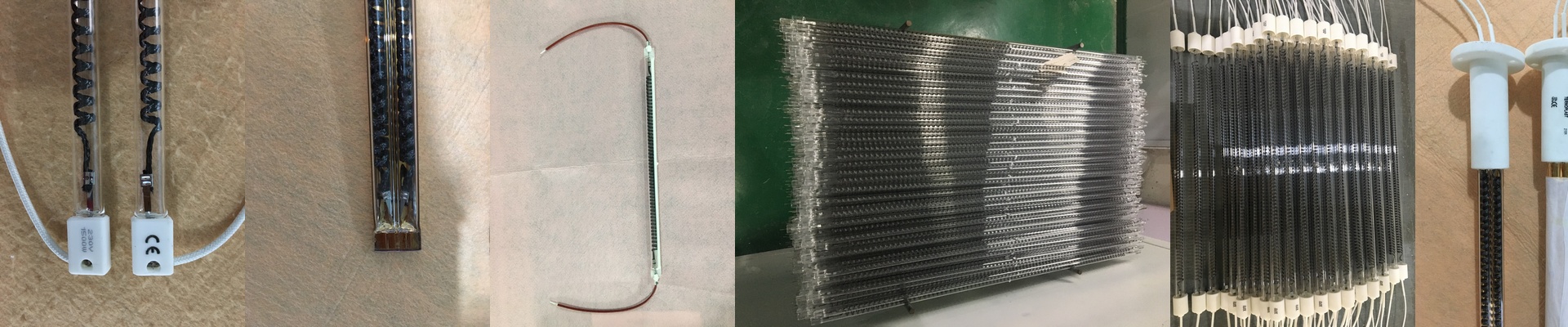
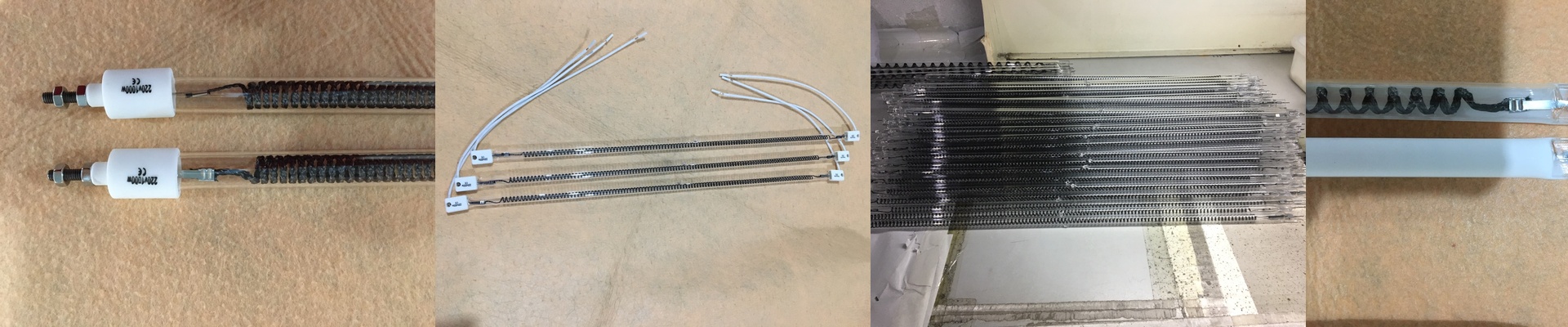
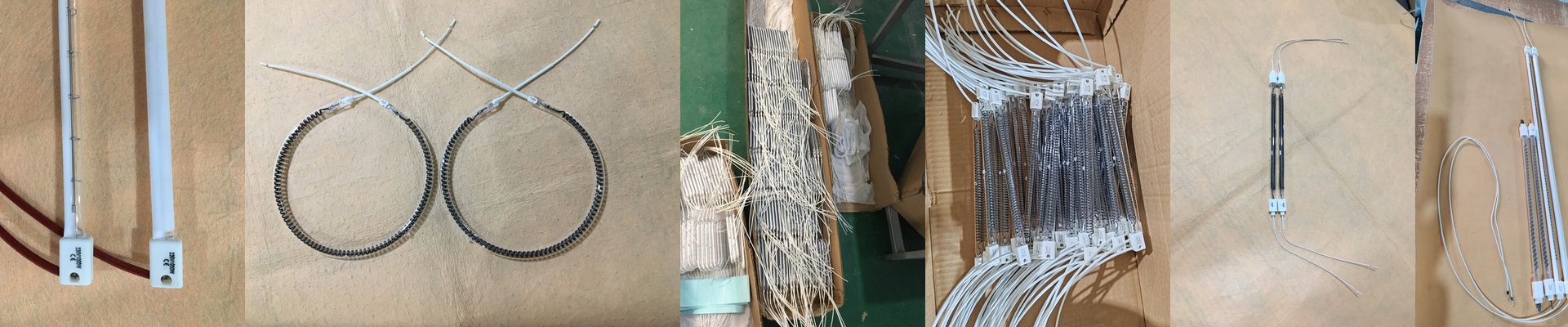
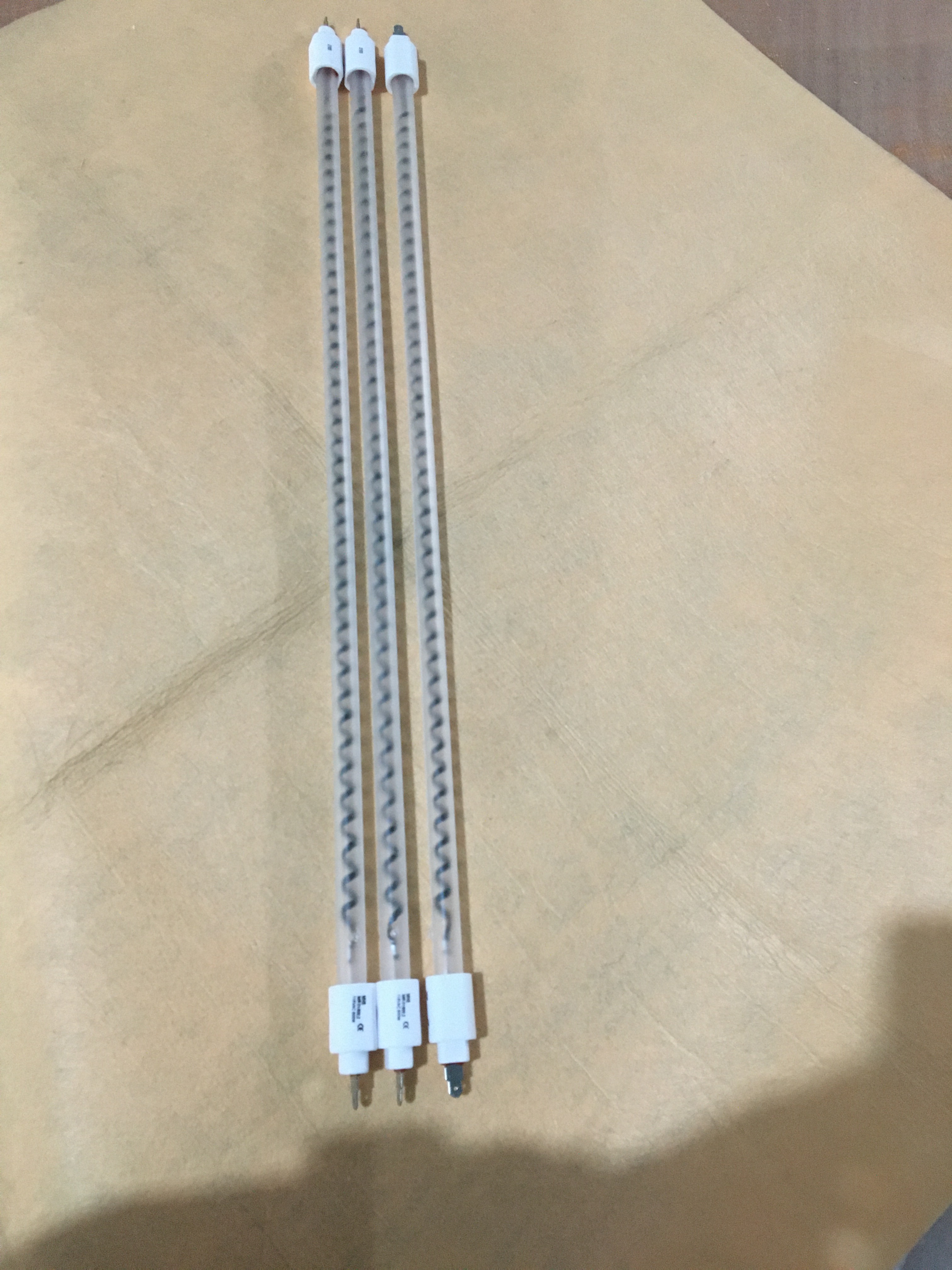
Here is the basic idea: we take a carbon fiber heating element and seal it inside a tube of high-purity quartz glass. Now, if you’ve ever worked with old-school metal coils, you know they tend to sag or warp once they hit that glowing red stage. Carbon fiber is different. It stays put. It doesn’t deform, which means your heat stays steady and even across the whole tube, no matter how hot it gets.
The Science (Simplified)
These emitters put out medium-to-long wave infrared heat. In plain English? The heat actually sinks deeper into your materials, especially if you’re dealing with organic polymers or things with a lot of moisture. We use quartz glass for a reason. It doesn’t block the heat; it just lets the infrared radiation slide right through. It’s basically a clear shot from the fiber to your workpiece. One thing to keep in mind: your wattage and voltage settings dictate the heat density. If you cram high wattage into a short tube, things get intense. Just be careful with your power supply. If you push too many amps through a thin lead wire, you’ll fry the connection before the lamp even has a chance to warm up.
Getting Them Set Up
The quartz tube isn’t just for looks—it keeps oxygen away from the carbon fiber. Without that seal, the fiber would just burn up and vanish the second you turned it on. We use standard end-cap connectors, so you can usually just pop these into your existing systems without a headache. But here is a heads-up on the timing. Carbon fiber doesn’t “snap” to full temperature instantly like those short-wave halogen tubes do. There’s a slight ramp-up time. If your process needs a sudden blast of heat, you’ll just need to tweak your timing cycles to account for that.
Real-World Tips
These are perfect for curing adhesives, drying coatings, or heating up PET plastics. Since it’s radiant heat, you don’t have to worry about a stray breeze or air currents stealing your energy. One last piece of advice:don’t let your mounting brackets touch the glass. Quartz is tough, but thermal shock will crack it in a heartbeat. Use silicone or spring-loaded mounts. Give the tube some room to breathe and expand as it heats up, and you’ll be golden.
- Quartz
- Carbon Fiber
- Infrared
- Heating
- Industrial
- Glass
- Carbon
- Fiber
- Heat
- Lamp
- 1500w-Ir-Heater-Clear-Tube-Republic-Pet-Blowing-Machine-Infrared-Halogen-Heat-Lamp
- 1500w-230v-Sk15-Half-White-Ir-Heater-Lamp-Halogen-Infrared-Heat-Lamp-for-Pet-Bottle-Blowing-Machine
- 1600w 240v R7s Replacement Infrared Lamp Glass Heating Tube Halogen Lamp for Pet Blowing Machine
- 400v-3000w-Heat-Emitters-Infrared-Heat-Lamp-for-Pet-Blowing-Machines
- 380v 2000w Half White Coating Infrared Quartz Heat Lamp With Sk15 for Pet Blowing Machines
- Sk15-Tungsten-Quartz-Infrared-Heating-Lamp-for-Pet-Blowing-Machine
- 1500w 230v Sk15 300mm Halogen Infrared Heat Lamp for Pet Bottle Blowing Machine
- Sk15 Shortwave Infrared Emitter Ir Lamp Heater for Blowing Machine
- 1500w-240v-R7s-Replacement-Infrared-Lamp-Halogen-Infrared-Lamp-Heater-for-Pet-Blowing-Machine
- 2000w-440v-R7s-Ir-Heater-Lamp-Half-White-Halogen-Infrared-Heat-Lamp-for-Pet-Bottle-Blowing-Machine