What it is
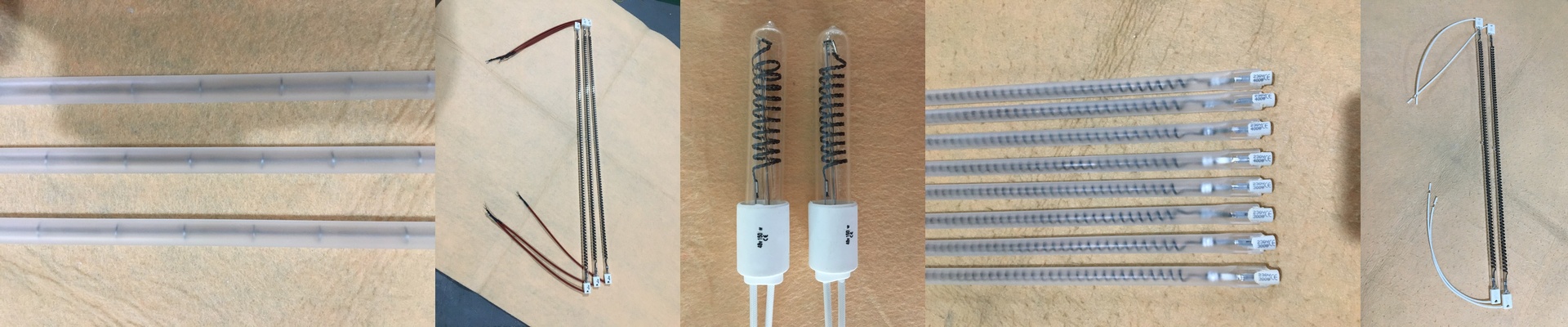
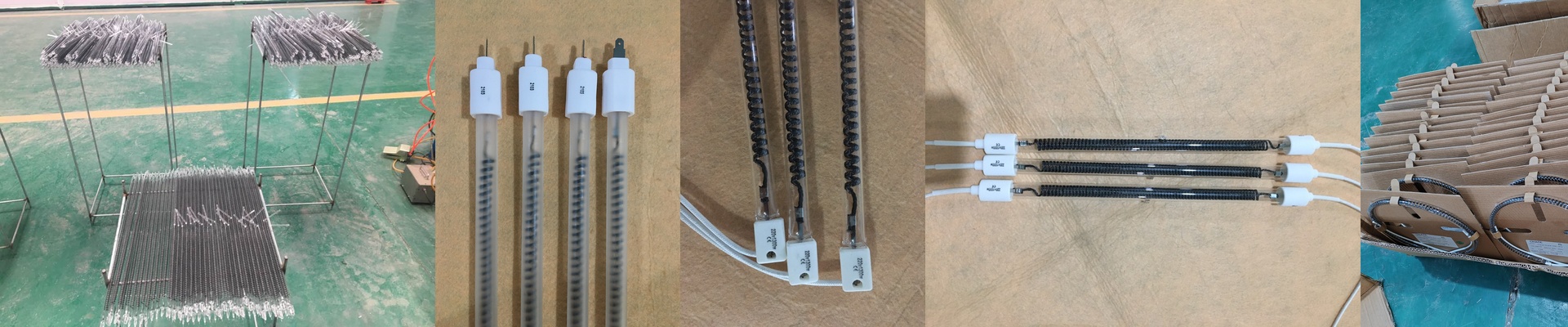
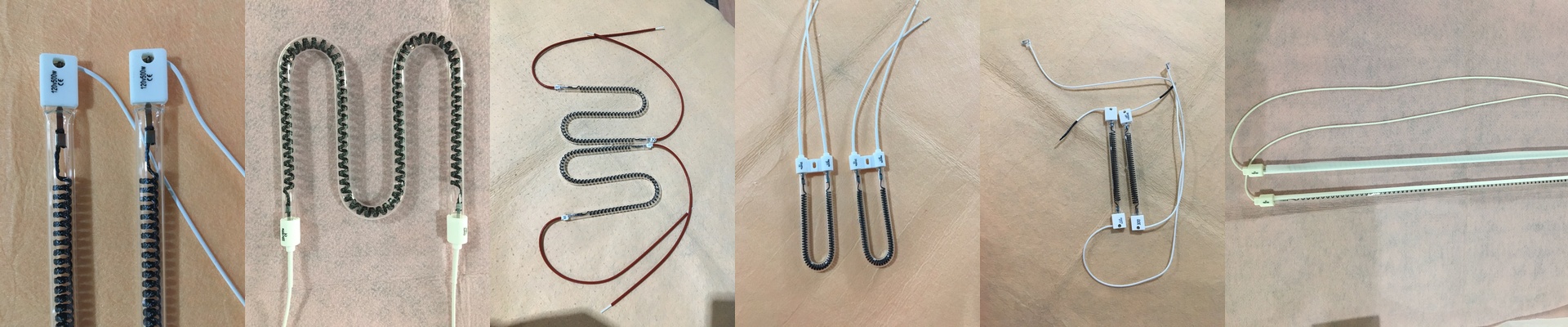
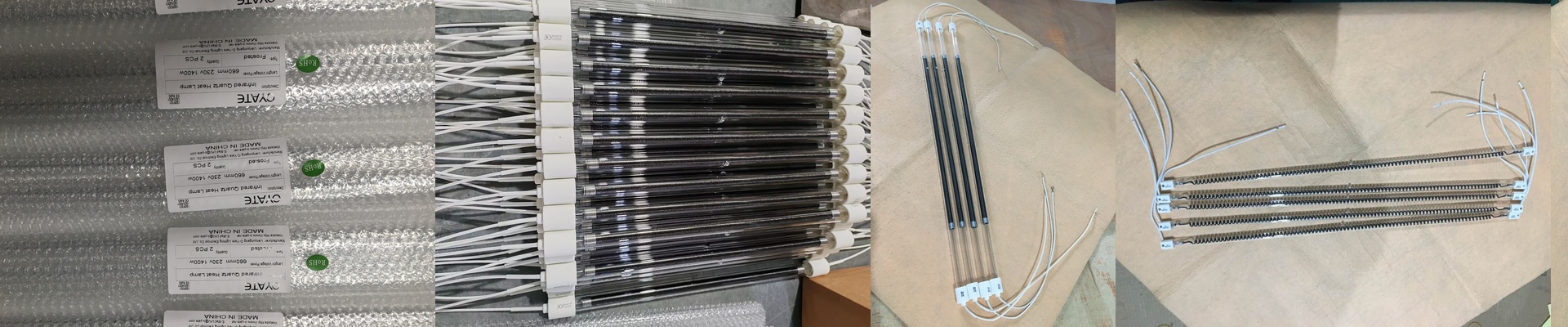
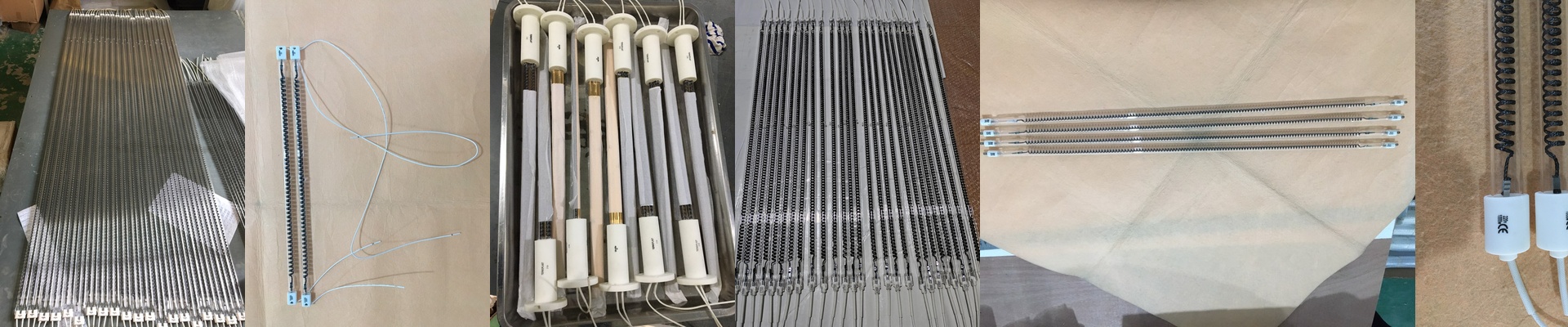
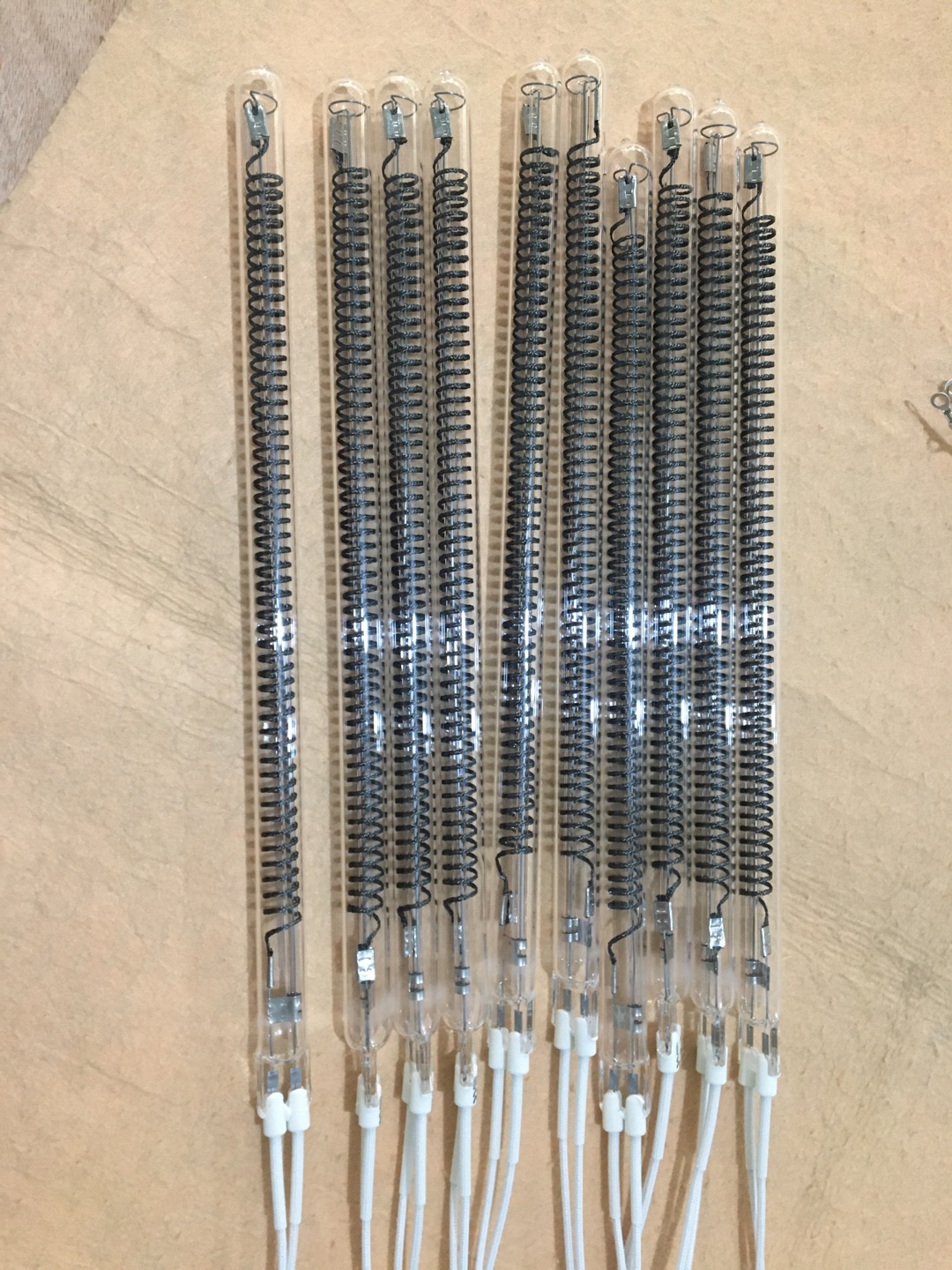
Picture this: a heating element that’s basically a tiny powerhouse. It’s built around a carbon filament, sealed inside a quartz tube, and it blasts out high-intensity infrared heat. We lean on these when you need heat, fast. And not just warm—focused, radiant heat, packed into a small space. Perfect for industrial jobs like shaping plastics, curing coatings, or anywhere you need serious heat on demand, without wasting time or space.
The power behind the heat
Here’s the thing about these elements—they’re built to run on high voltage, usually around 400V, which lets them pack a ton of power into a short length. Take a 300mm tube running at 2500W. That’s a serious amount of heat in a small footprint. The payoff? It warms up almost instantly, and the IR output is intense. But with that kind of power comes a little reality check. The surrounding gear has to be ready for the heat. You’ll need to make sure your control box, reflectors, and airflow are all set up to keep things cool and protect the nearby components.
What it’s made of
The heart of it all is the carbon filament. It’s chosen because it resists heat well, and its resistance stays steady even as it gets scorching hot. We wrap that filament in a quartz tube because quartz can handle rapid heating and cooling without cracking—and it lets the infrared heat pass right through. Many versions also include a halogen gas fill. That helps prevent the filament from oxidizing, so the whole thing lasts longer, even when it’s running hot.
Easy fit, easy swap
Most of these 300mm tubular heaters use an R7s connector. It’s a simple, two-terminal setup that makes wiring quick and repeatable. If your machine is already built for this size, swapping one in is a breeze. No need to redesign the holder or mess with the terminal block. It’s a straight drop-in replacement.
Why it works for you
When you need industrial heating that responds the moment you flip the switch, this setup delivers. The high power density and quick response mean you can focus the heat exactly where you need it, without warming up the whole room. For engineers, that means predictable performance and integration that doesn’t feel like a headache. You get serious radiant heat from a compact unit, and the R7s mounting makes service simple. Just keep one thing in mind—the heat is intense. Make sure your cooling and shielding are planned from the start, so your components stay protected, and your operators stay safe.