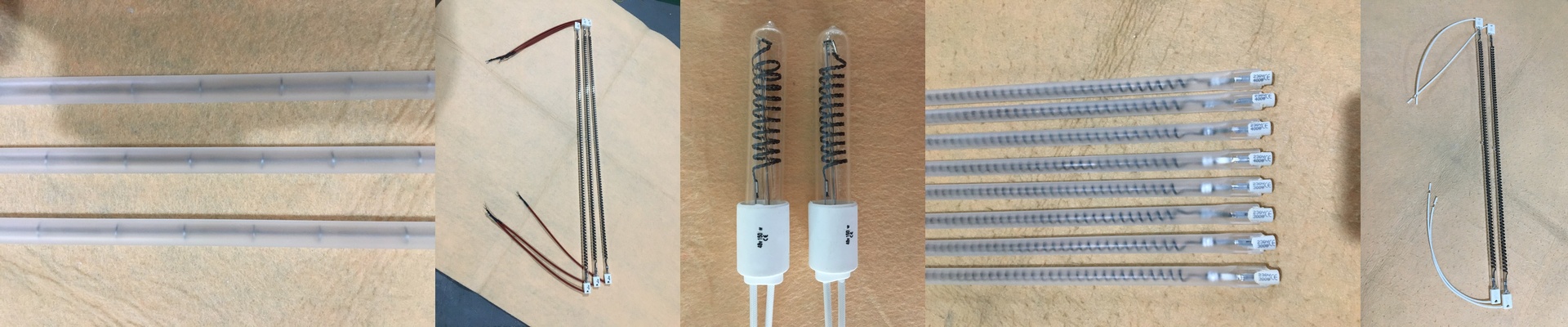
Let’s Talk Carbon Filament IR Lamps
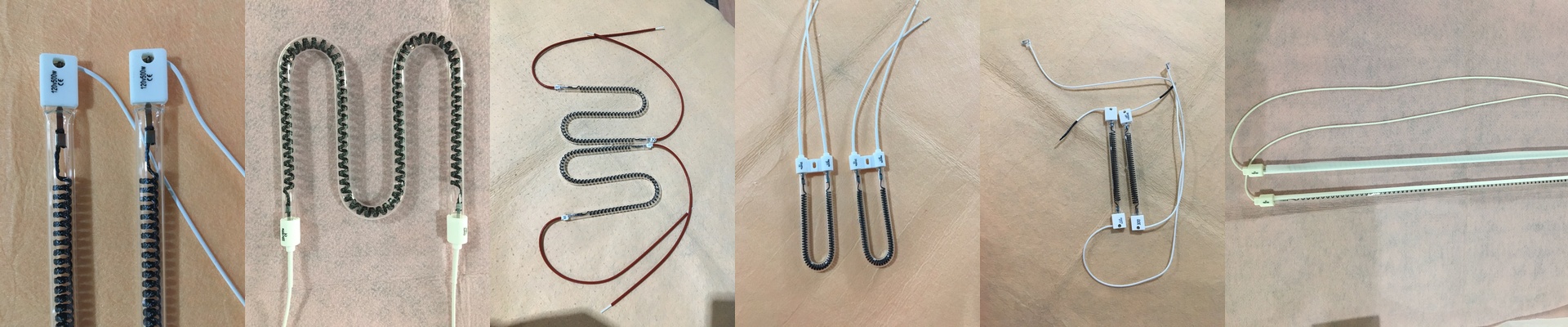
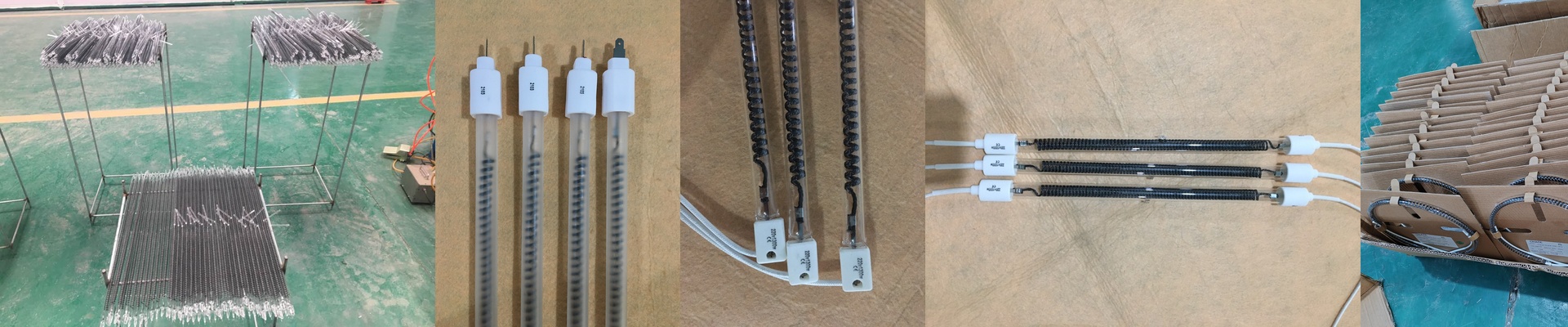
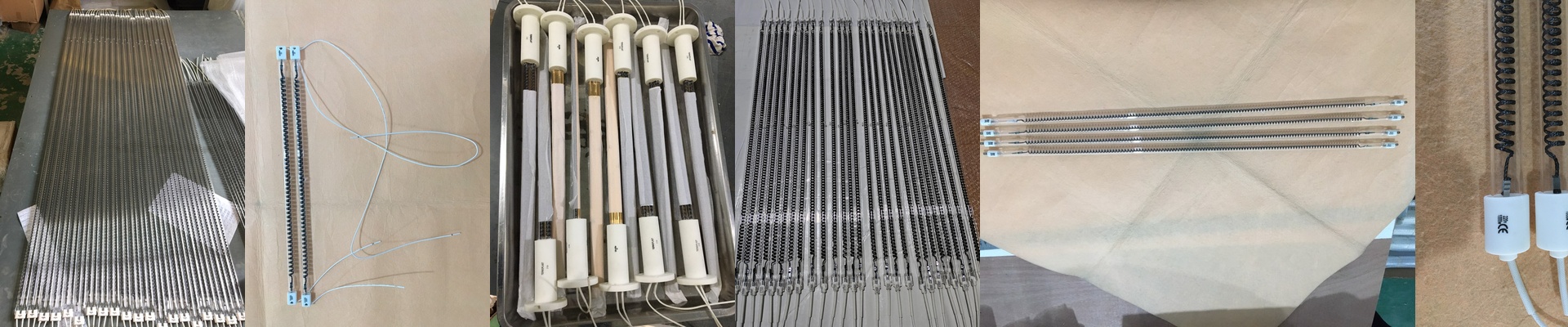
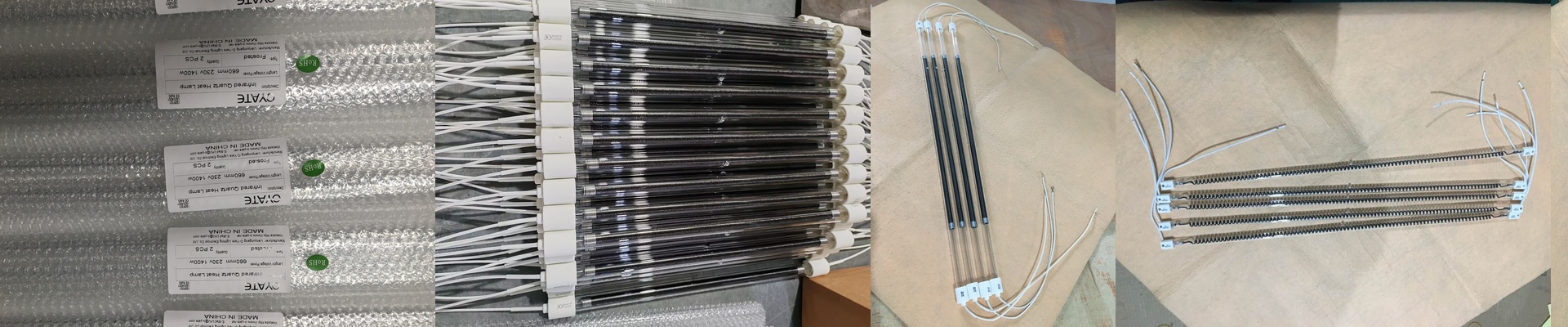
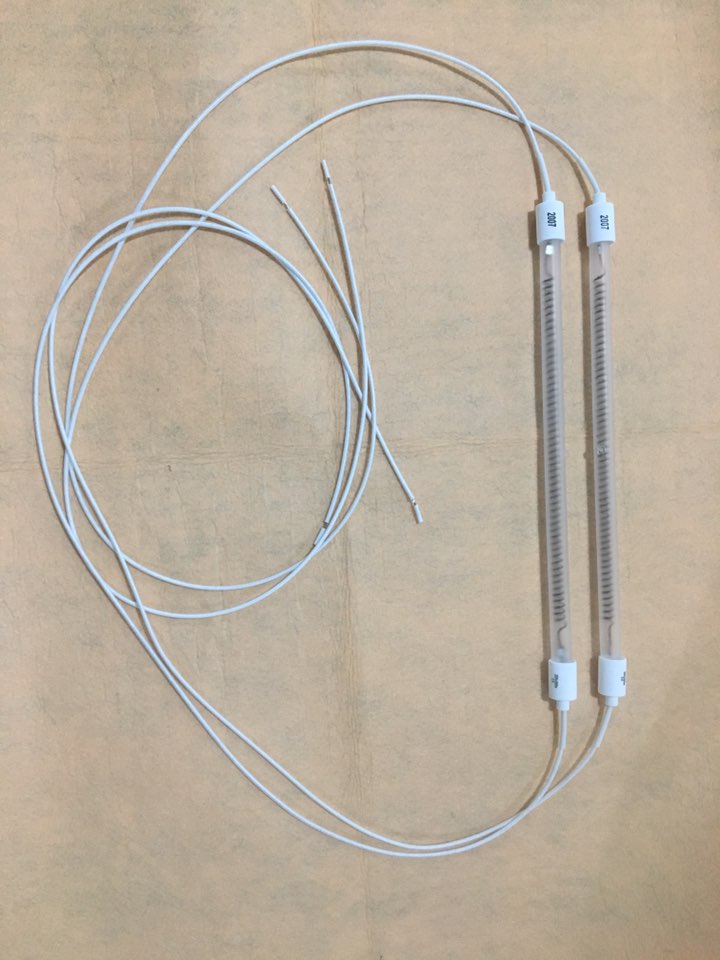
If you’re dealing with high-wattage thermal processing, you’ve probably realized that standard tungsten lamps just don’t always cut it. That’s where carbon filament lamps come in. By switching the filament material to carbon, we can shift the heat spectrum. The result? The heat actually sinks deeper into your materials rather than just scorching the surface. Dealing with Power and Voltage When you’re picking out a high-voltage lamp, it’s really a balancing act between how much current you’re drawing and how much heat you need. Here is the trick: higher voltage lets us make longer tubes without the temperature dropping off as you move along the filament. You get a concentrated hit of heat that hits your target almost instantly. But a word of caution. These high-wattage units put out a ton of waste heat. If you don’t get your housing and cooling fans right, you’re going to end up with melted sockets. And nobody wants to deal with that. The Build and the Connections We wrap the filament in high-purity quartz glass. Why? Because it can take a massive thermal shock without cracking. Depending on how you’ve got your wiring set up, we can do R7s or Sk15 connectors. We make sure the connection is tight so you don’t get any nasty arcing when the load gets heavy. Plus, some of our versions come with a special coating. It basically bounces the heat back inward, focusing all that IR radiation right onto your workpiece instead of letting it leak out into your machinery. Where This Actually Works You’ll see these all over the place—PET blowing, plastic welding, drying lines, you name it. They’re great as a drop-in replacement for those old, tired heating elements that just can’t keep up with modern line speeds. Since carbon doesn’t hold onto heat the same way metal does, these things ramp up fast. Your warm-up time practically disappears. Just keep one thing in mind: carbon is more brittle than tungsten. If your machines shake or vibrate a lot, make sure your mounting brackets are rock solid. If they aren’t, those filaments will snap and burn out way sooner than they should.