What Makes Our Carbon Infrared Lamps Tick
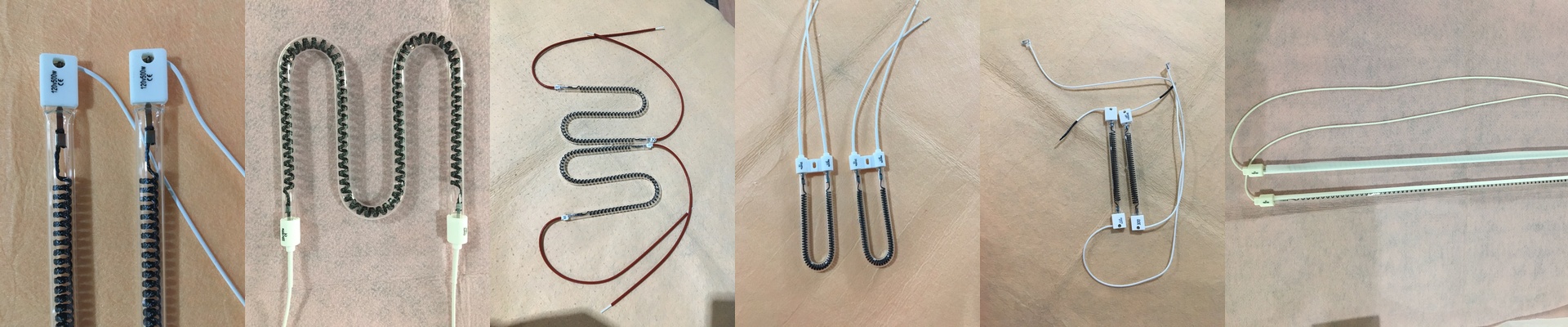
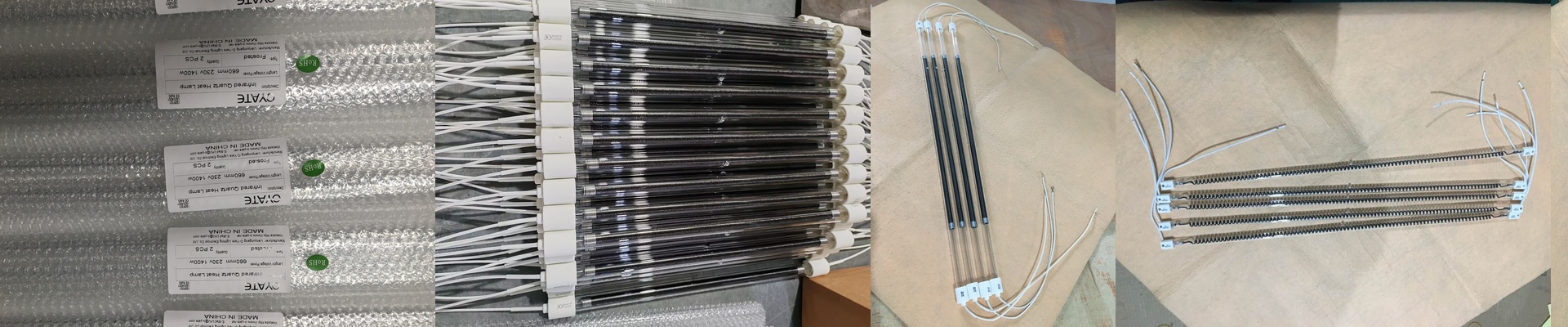
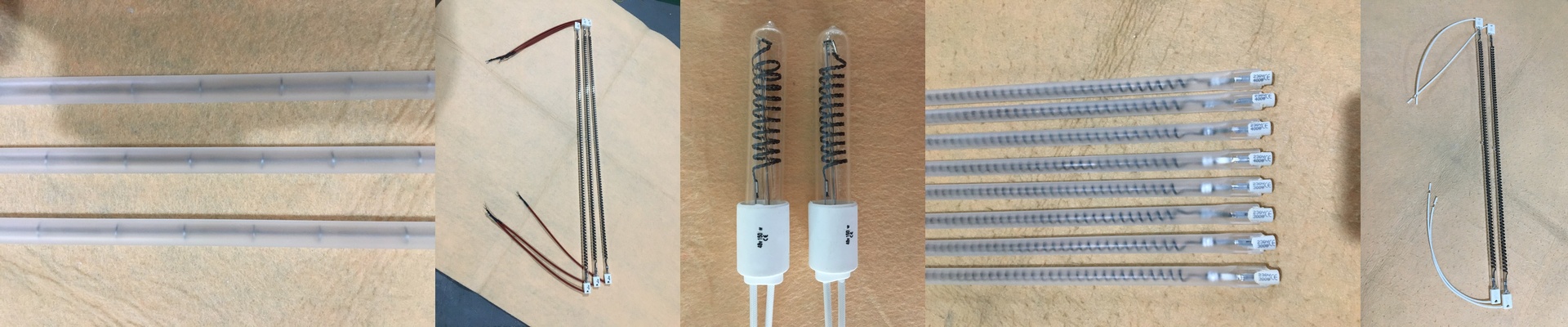
We built these carbon infrared lamps for one simple reason: to give you heat that’s raw, focused, and exactly where you need it. No energy wasted on warming up the air around it. Just pure, direct heat. Here’s the heart of it: we’re talking serious power. A typical setup runs at 400V, pulling 2500W from a tube that’s just 300mm long. That kind of watt-density is intense. The payoff? You get heat, fast. Seriously fast. But that also means whatever equipment you’re running this in has to be built to handle that kind of thermal punch. That 400V choice wasn’t random. It lets us pack a ton of power into a small footprint. But it also means you can’t just plug this into anything. You need a control circuit that’s up to the task, with proper insulation and safety clearances. This isn’t your average household bulb.
The Inside Story: Built to Last
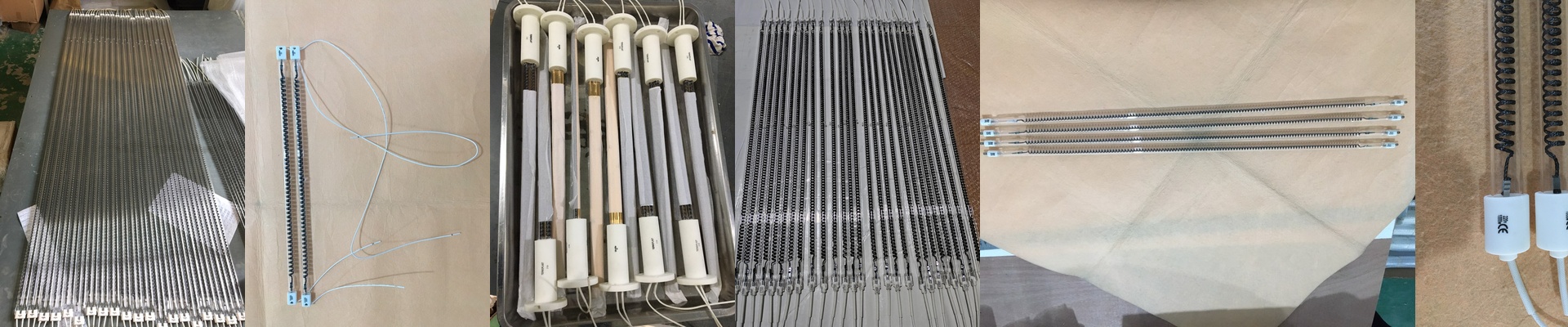
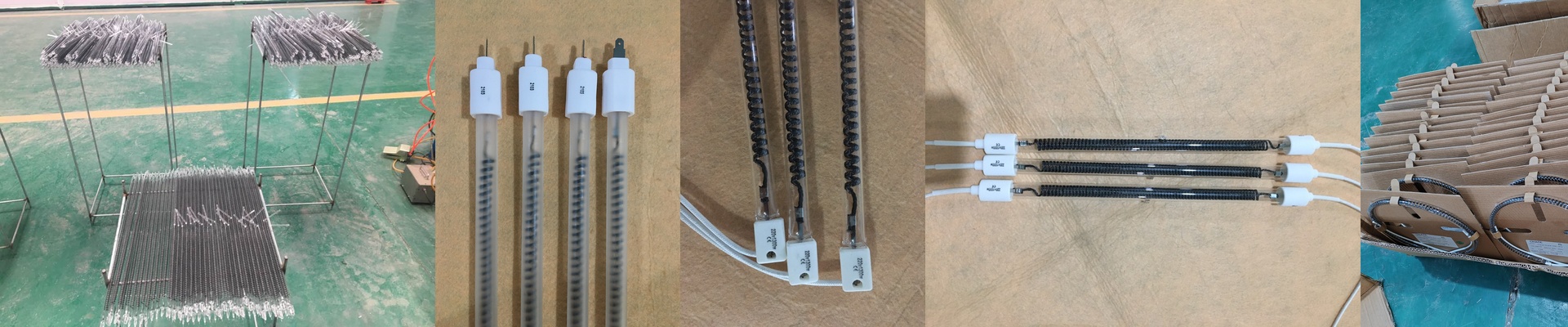
Let’s talk about the tube itself. We use quartz. Why? Because it can take the heat. It shrugs off thermal shock and has a melting point high enough for what we’re doing. Inside, the carbon filament runs hot, glowing with a broad spectrum of infrared radiation. We add a halogen gas fill to protect the filament, which keeps it from breaking down and helps the lamp last longer while staying consistent. And for the connection, we use the R7s connector. It’s the standard for a reason. It gives you a solid, two-ended connection that can handle the high current without getting hot under the collar. The whole design is meant to be a straight swap. You can upgrade your heating element without having to re-engineer your entire machine.
The Real-World Grind: Speed and Trade-offs
These lamps are for the jobs that need heat on demand, and they need it right now. Think plastic welding, PET blowing, or curing coatings. With the carbon element, the response is instant. You flip the switch, and the heat is there. That speed keeps things moving, which is a huge win for your throughput. But, and there’s always a but, that kind of concentrated power means you have to manage the heat carefully in your machine. The quartz tube is tough, but it still needs protection from getting bumped around or getting dirty. So, if you’re planning to run a 2500W, 300mm carbon IR lamp, you’re committing to a system that can handle that power density and the cooling that comes with it. We take care of delivering the reliable heat source. You just need to build the machine that can safely and effectively put that power to work.