Let’s Talk Carbon Infrared Lamps
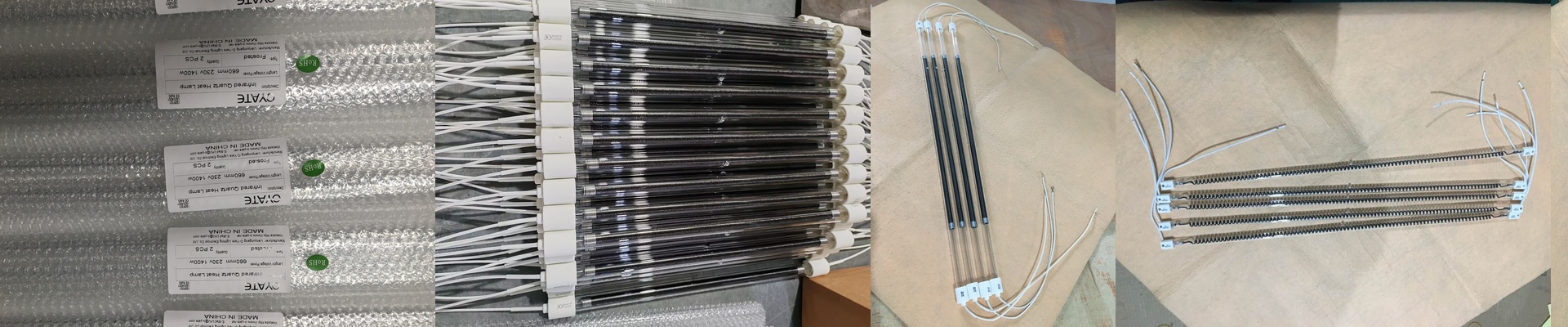
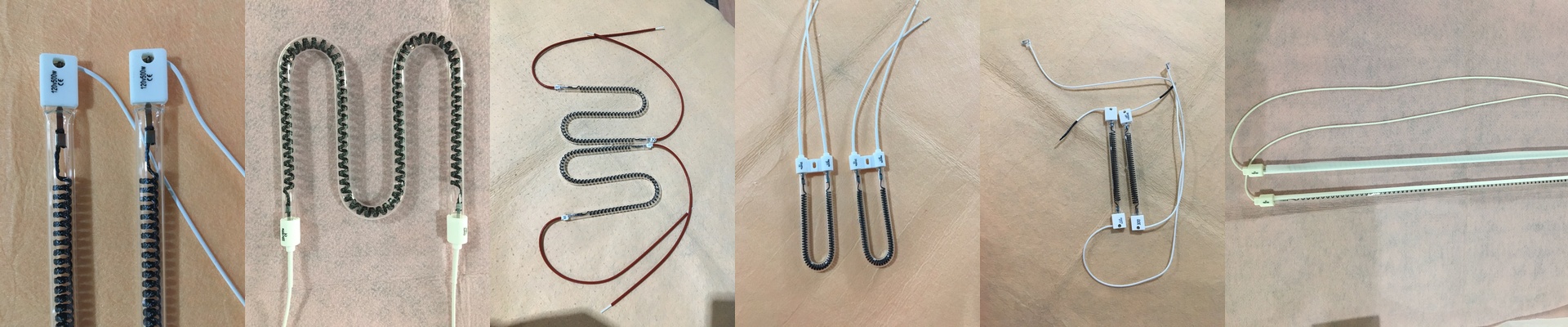
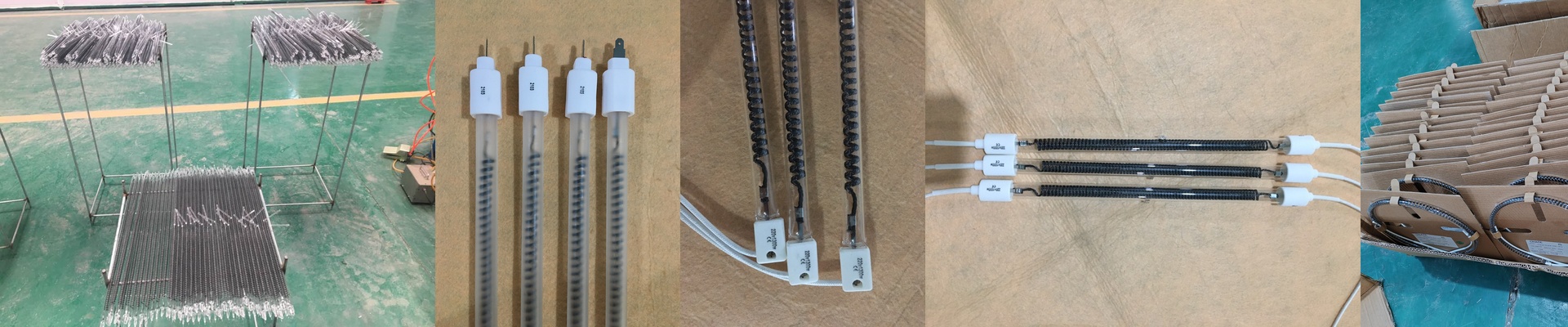
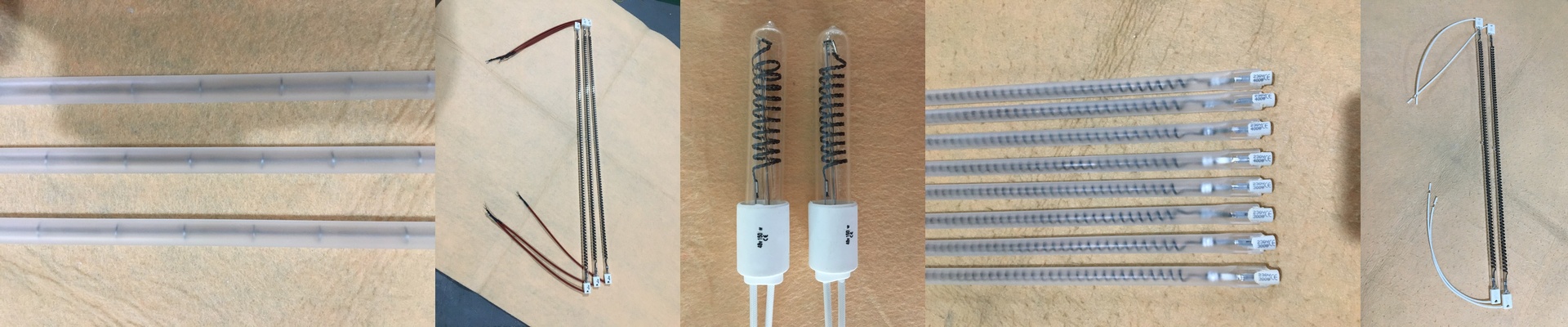
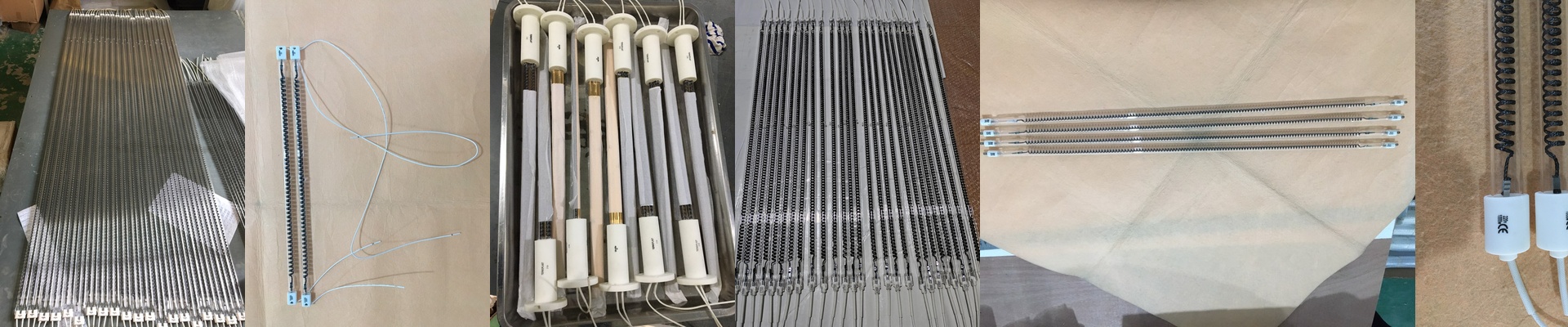
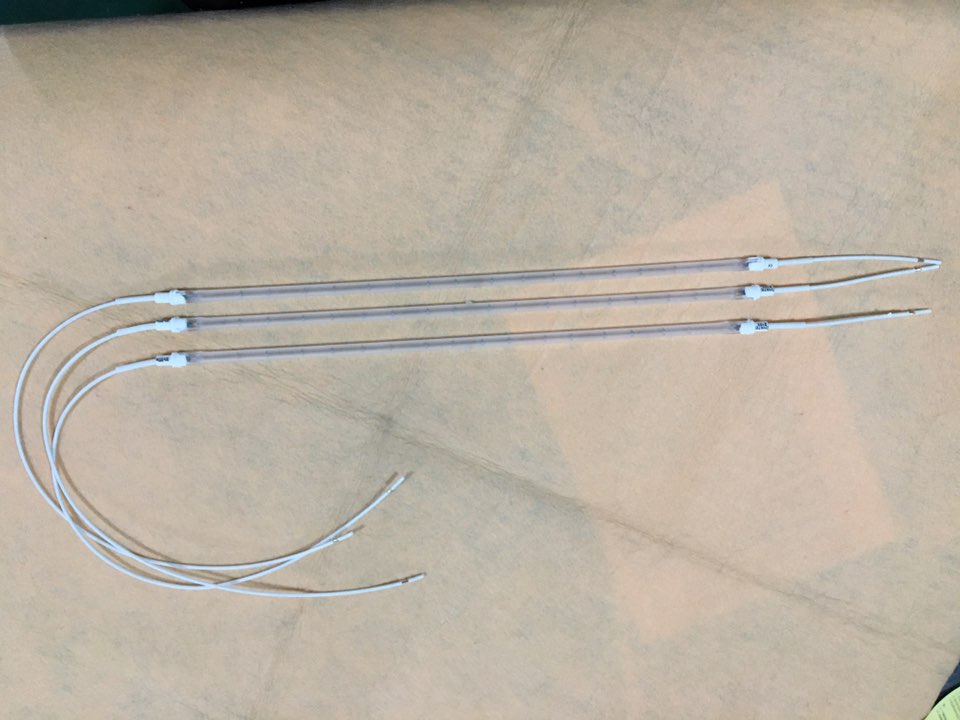
Think of these lamps as the heavy hitters of the heating world. Instead of the usual halogen setup, we use a carbon filament tucked inside a quartz tube. Why does that matter? Well, the carbon lets the lamp run at a lower temperature while still pumping out a ton of heat. You end up getting more warmth exactly where you need it on your workpiece, and you stop wasting power on heat that just disappears into thin air. Getting the power right We build these in a bunch of different voltage and wattage options so they actually fit your machine’s power rail. If you go with a high-wattage tube, your heat ramps up fast. It’s a huge time-saver. But here is the catch: you’ve got to match the voltage to your transformer perfectly. If you’re under-spec, the heat won’t penetrate the material. Go over-spec? You’ll pop the filament instantly. No middle ground here. The build and the fit We use quartz for the outer shell because it doesn’t freak out when the temperature swings wildly. Sometimes we add special coatings to the glass. This keeps the heat on the surface of your material instead of letting it soak too deep into the base. As for plugging them in, we stick with R7s or Sk15 bases. They’re the industry standard, so they should slide right into most industrial ovens without a fight. They create a tight connection, which means you won’t deal with annoying electrical arcing when the lamp is running hot. Real-world headaches (and how to avoid them) You’ll see these lamps doing the heavy lifting in PET blowing, paint curing, and plastic welding. The sheer intensity is great for speeding up your cycle times. But that intensity is a double-edged sword. It puts a lot of stress on your reflectors. If your reflectors are dirty or pitted, you’re basically throwing energy away. And please,keep the tubes clean. A single fingerprint or a smudge of oil on the glass creates a “hot spot.” That’s the fastest way to kill a tube. Keep them spotless, and they’ll last much longer.