Getting the Heat Just Right for Electronics Repair
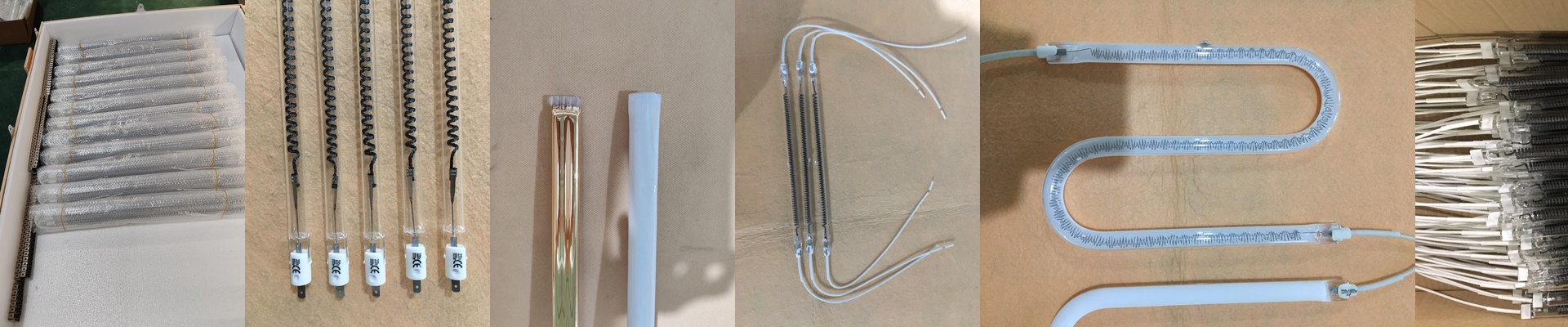
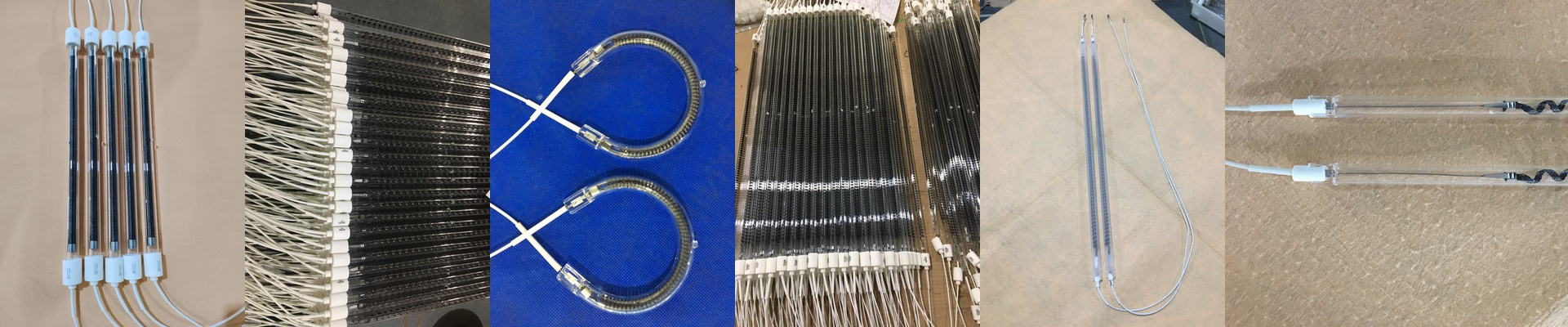
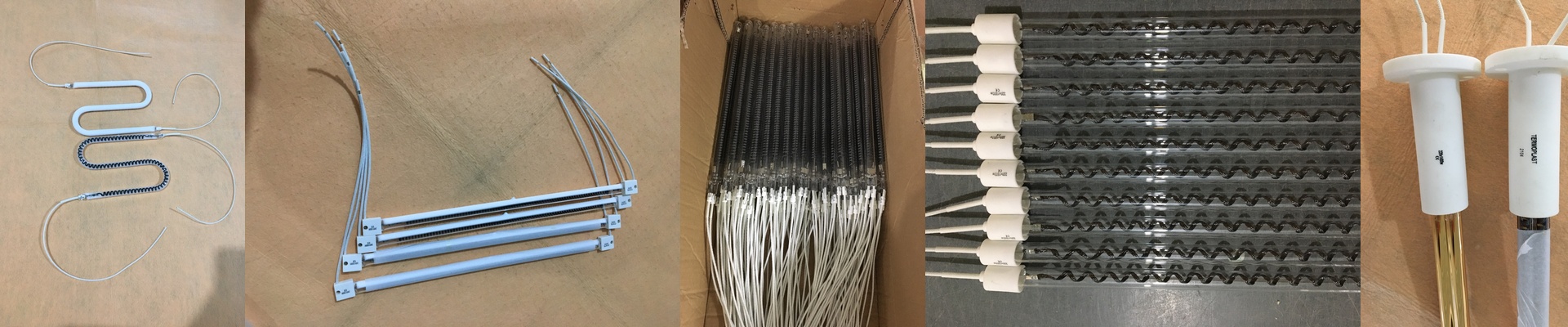
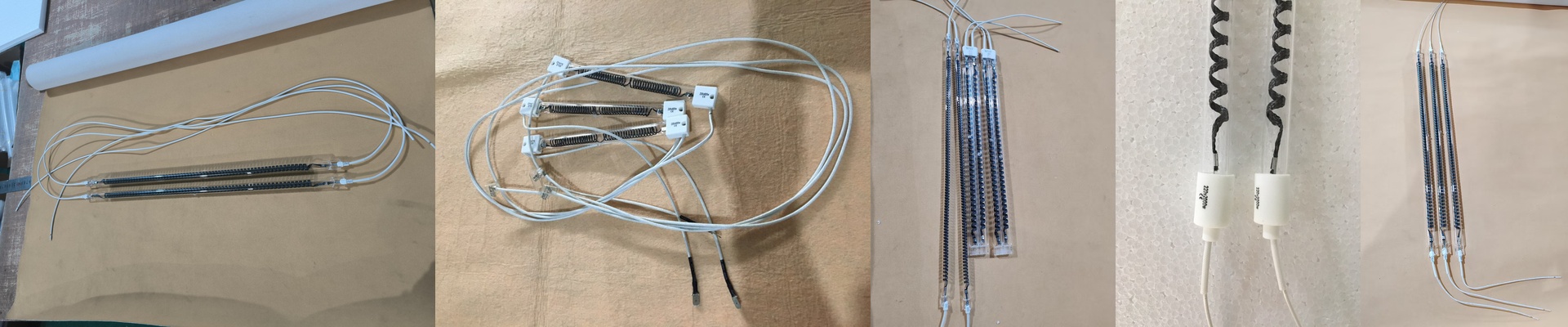
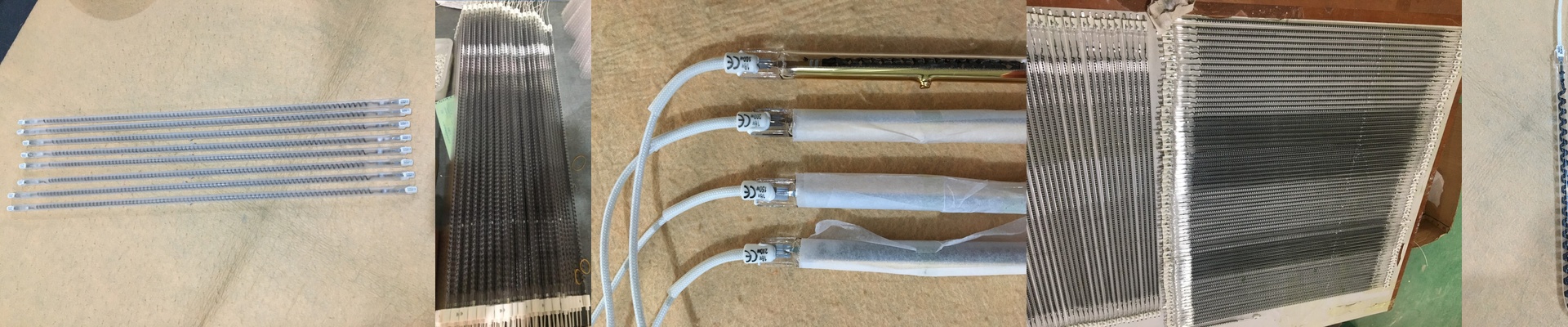
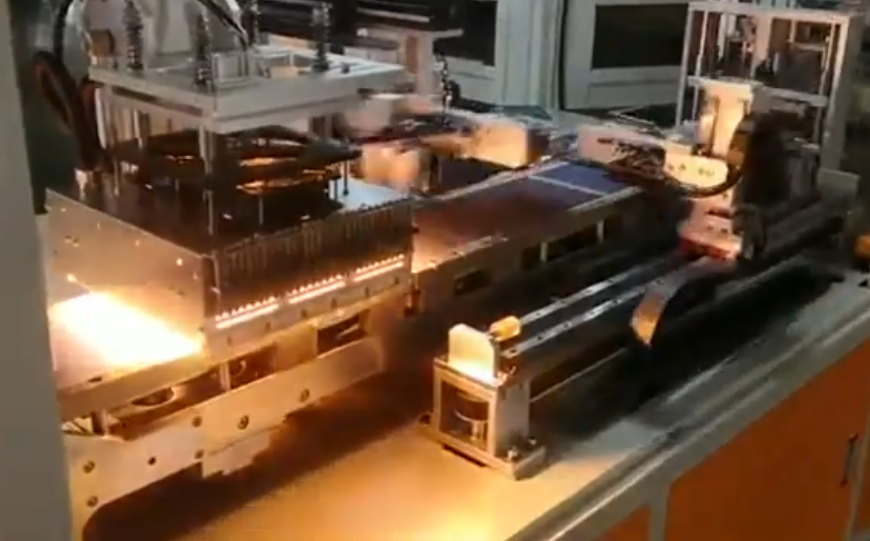
When you’re fixing a smart home device, you’re playing a dangerous game with heat. You need it hot enough to melt solder or soften glue, but if you overshoot it by even a few degrees, you’ve just fried the PCB. It’s a tight window. We spent ten years as OEM manufacturers before we decided to stop making “generic” parts. Now, we build infrared (IR) lamps designed specifically for these kinds of precision jobs—matching the kind of specs you’d find in the most expensive gear on the market. The balance of power Here’s the thing about wattage: more isn’t always better. If you put a high-wattage lamp in a tiny repair station, you’re going to cook the components you aren’t even trying to touch. We use high-density tungsten filaments so you can hit your target temperature in seconds without the “splash” damage. Plus, we make sure the voltage aligns perfectly with your power supply. Why? Because nothing is more annoying than a filament burning out right in the middle of a job. Why the glass matters We use high-purity quartz. It’s tough. It handles the sudden jump from cold to scorching heat without cracking. For some jobs, we add a thin-film coating to the glass. This changes how the heat behaves. Instead of the heat bouncing off the surface, it actually sinks into the solder joint or the plastic casing. It just works better. And don’t worry about the setup. We use standard R7s or SK15 connectors. You just pop them in. No rewiring, no headaches, no spending your afternoon messing with the power cables. A few real-world warnings These lamps are powerful, but they have a weakness: fingerprints. If you touch the quartz with oily fingers, those oils create hot spots. The glass expands unevenly, and snap—your lamp is cracked. Wear gloves. Always. Also, if you’re running these 24/7, keep an eye on your ventilation. These tubes put out a lot of ambient heat, and your workspace can get swampy fast if you don’t have a good breeze going.