Dealing with Heat: From Grid Repairs to Quantum Chips
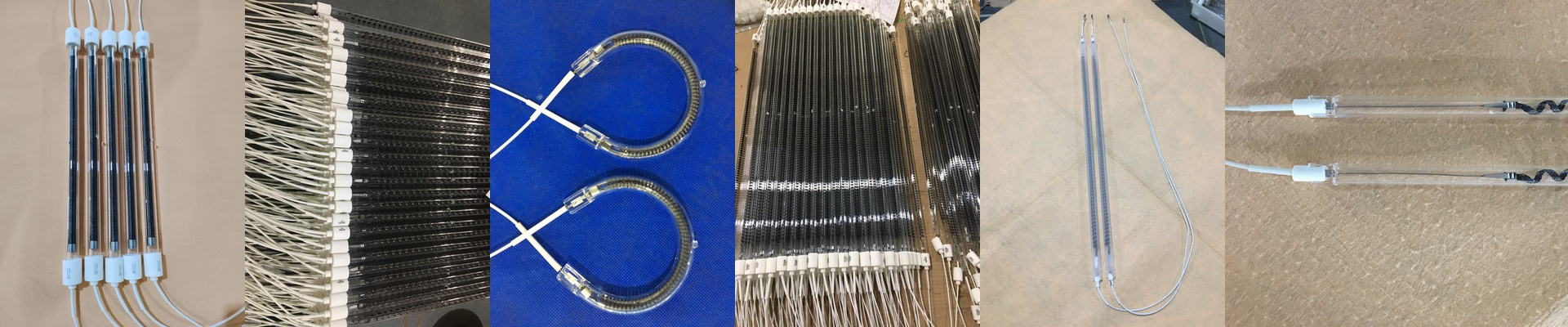
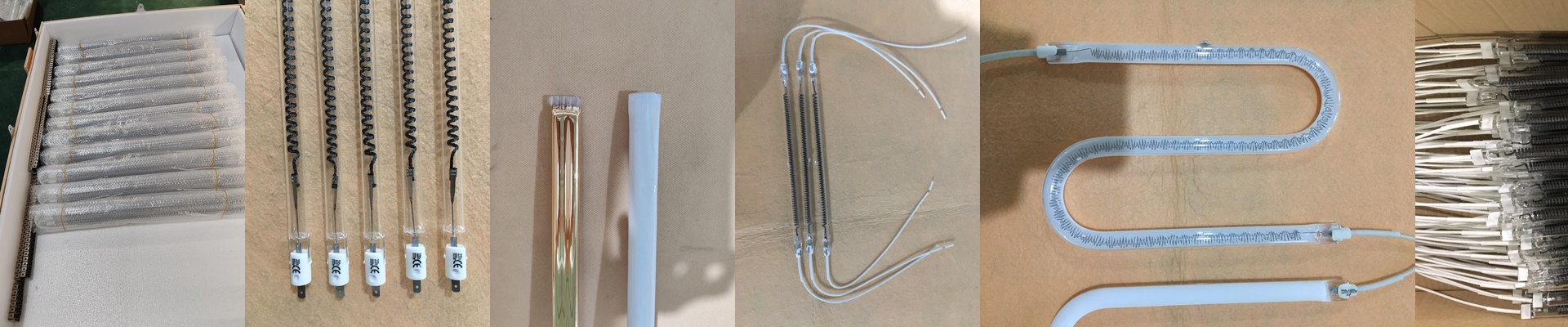
When you move from fixing standard electronics to building quantum chips, the way you handle heat has to change. Completely. You can’t just blast everything with heat and hope for the best. That’s where shortwave IR lamps come in. They’re the secret to curing adhesives or soldering components without accidentally cooking the rest of your board.
How the IR stuff actually works
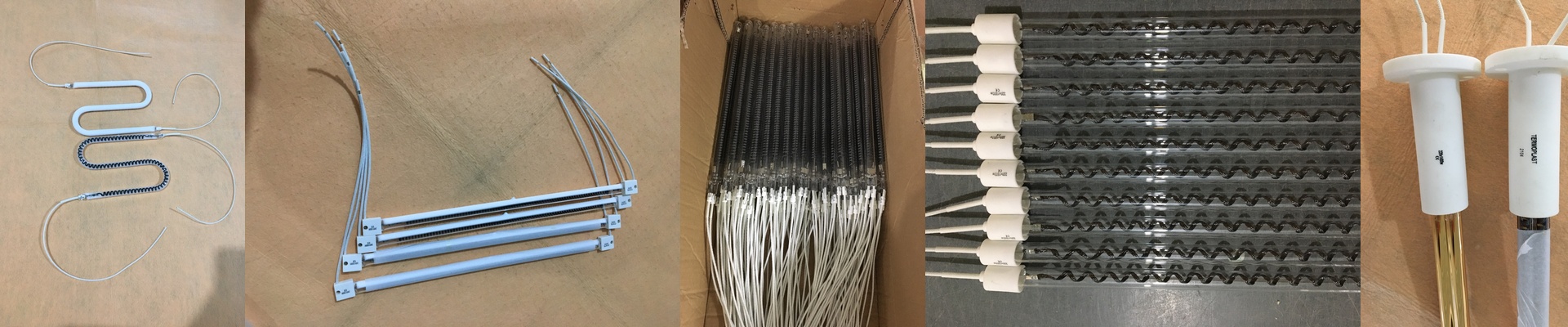
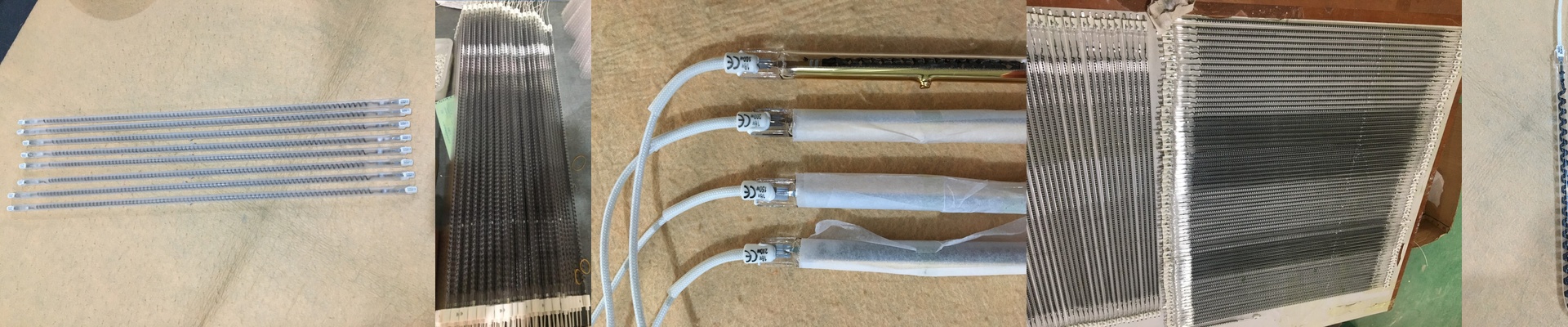
We use high-purity quartz tubes for these heaters. The trick is that shortwave IR digs deeper into the material than the kind of heat you get from a standard heater. Instead of wasting time heating up the air around the part, you’re hitting the joint or the chip surface directly. In a quantum fab, your “thermal budget” is tiny. If you let the heat soak in too much, your substrate will warp, and you’ve just wasted a very expensive piece of hardware.
The hardware headaches
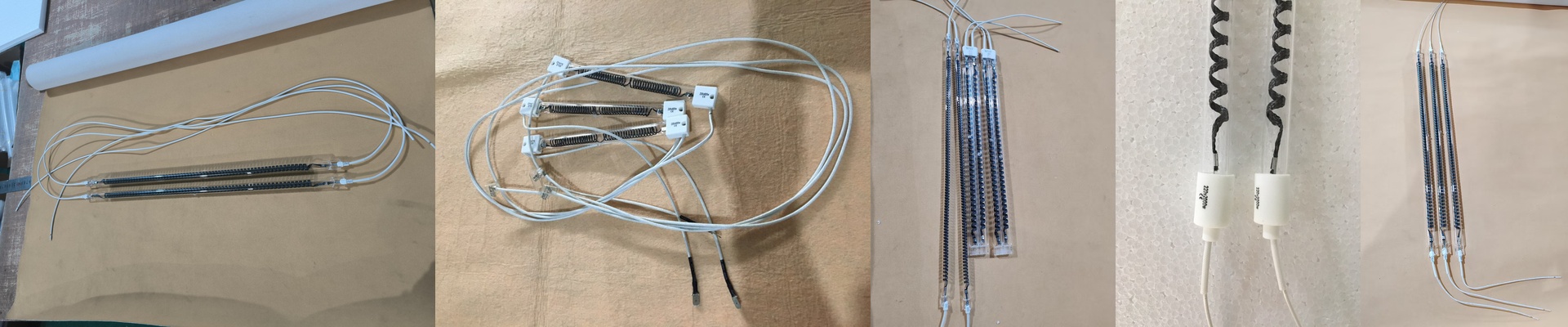
Most of our high-density lamps run on high voltage. It’s the only way to push massive wattage without the current getting out of control. If you’re running a tube over 2000W, your power supply needs to be rock solid. No flickering, no dipping. We usually stick with R7s or SK15 connectors. Why? Because they don’t pop out of the socket when the pins expand from the heat. But here’s the catch: you have to watch your footprint. Putting high-wattage lamps in a small box creates an insane amount of heat density. If your cooling fans aren’t up to the task, your control boards are going to fry. Simple as that.
Real-world use
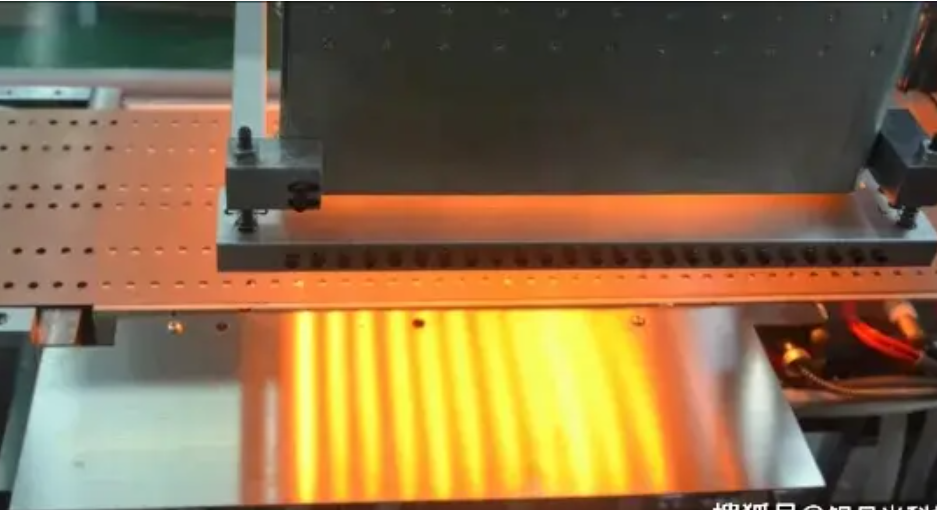
On the shop floor for smart grid repairs, these lamps are a godsend. They basically replace those clunky old convection ovens. Pre-heat times go from minutes to seconds. It’s a massive time saver. For the quantum stuff, we use coated quartz to tune the wavelength. This makes sure the energy actually hits the target and doesn’t just bounce back into the heating element. It’s a delicate balance between getting the temperature up fast and not overshooting the mark. Keep your PID controllers tuned tight. If you don’t, you’ll blow right past your target temp and ruin the part.