Introduction
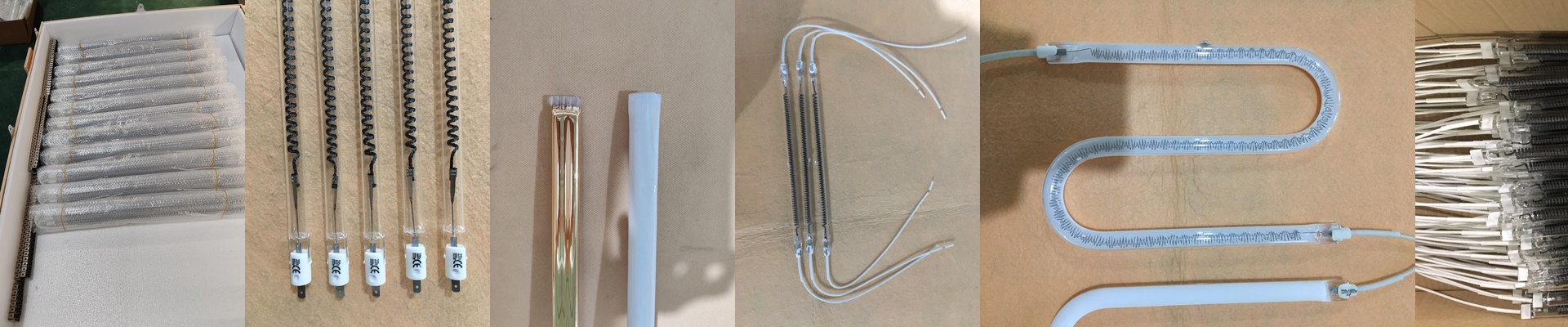
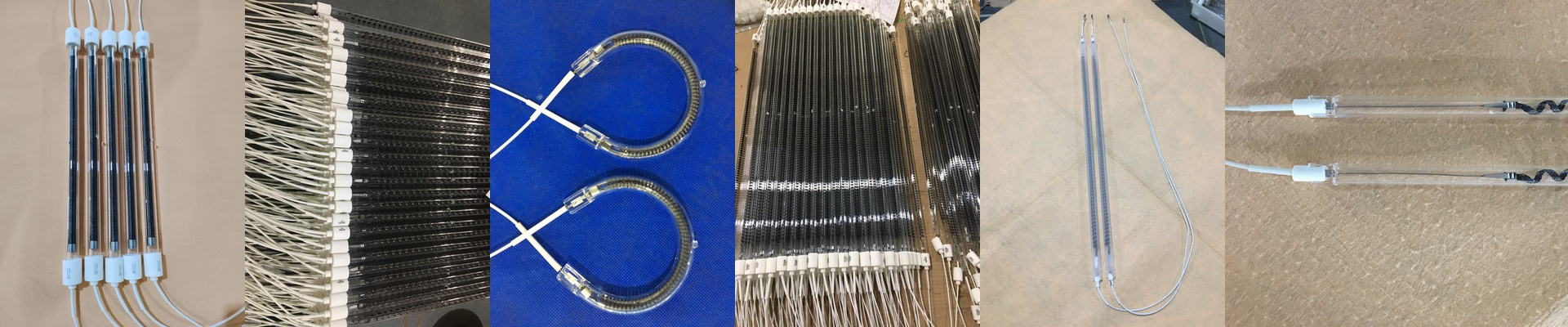
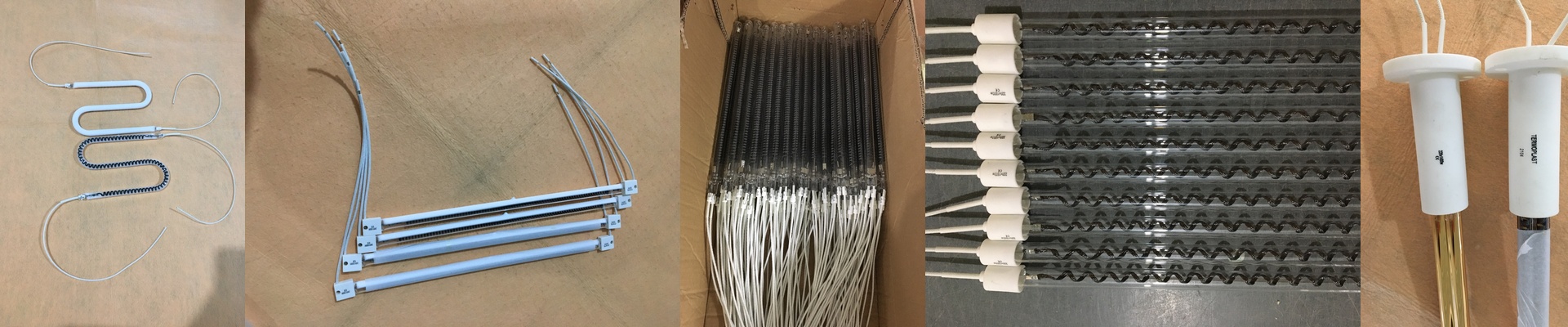
We build carbon tube infrared heaters for engineers who crave raw power in a seriously compact package. These aren’t for warming up a chilly office. They’re for the jobs where you need intense heat, right now, in a tight spot. Think spot heating, think process heating. When you need a blast of heat that kicks in instantly and hits hard, these are the workhorses you want on your team.
The Heart of the Matter
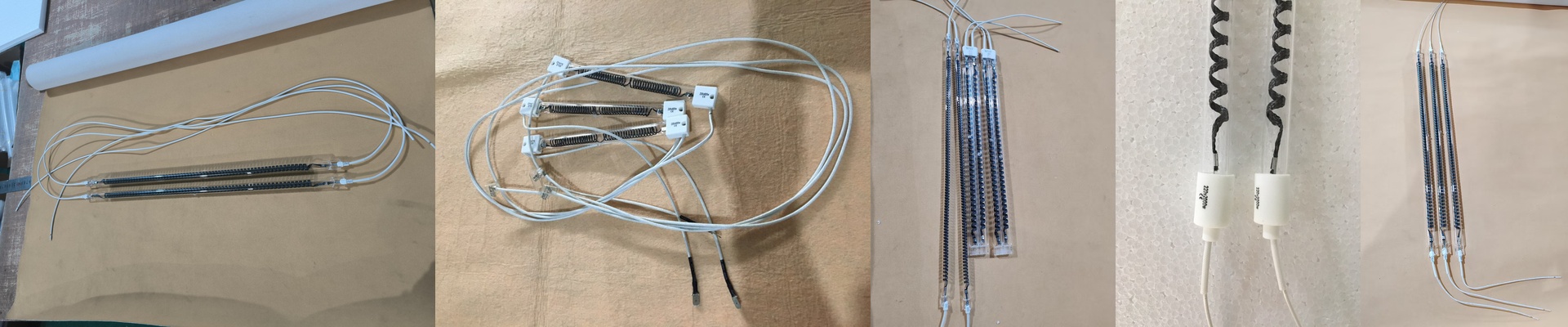
Here’s the thing about these carbon tube heaters: they’re built for high voltage, often running at 400V. That’s how they pack such a serious punch into a small space. Take a 300mm tube, for example. It can crank out around 2500W. That’s a lot of heat concentrated right where you need it. The tube’s shape is key—it focuses all that energy into a narrow zone. So you’re heating the target, not the entire machine bay around it.
What’s Inside
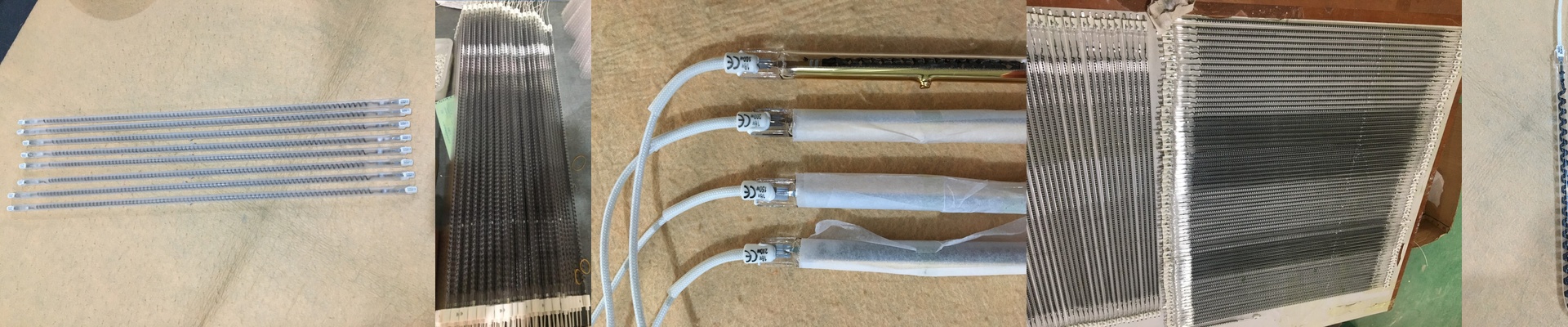
Inside the quartz tube, you’ll find the carbon filament. Quartz is the perfect partner here. It handles the shock of rapid on-off cycles without cracking, and it lets that infrared energy pass through cleanly and efficiently. Many of our units also use a reflector coating to push that energy forward, so you’re not wasting a single watt. And for the connector, we use the R7s. It’s the practical choice. It handles the high current, keeps everything lined up perfectly, and makes replacement during maintenance a simple, straightforward job. No fuss.
Where It Shines
These heaters really shine in places like PET blowing, plastic sealing, and drying. They deliver heat that’s fast, controllable, and keeps your production cycles moving at a tight, steady pace. The payoff is simple: you get quick heat-up, stable output, and a small footprint. But there’s a trade-off. That kind of power density means you need to plan for proper cooling and give the unit enough mounting clearance. If the surrounding parts get too hot, you’ll shorten the life of both the heater and the equipment it’s working with.