Let’s Talk Carbon Fiber Infrared Lamps
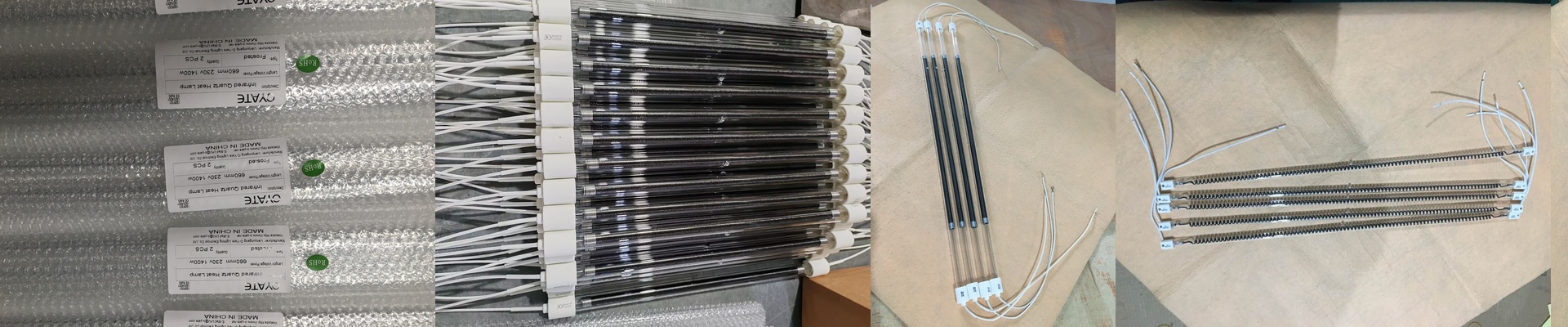
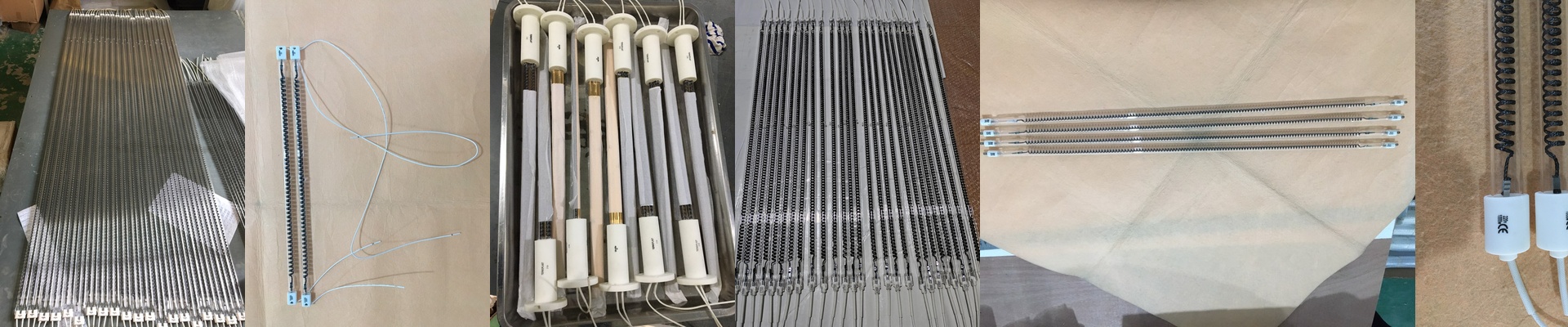
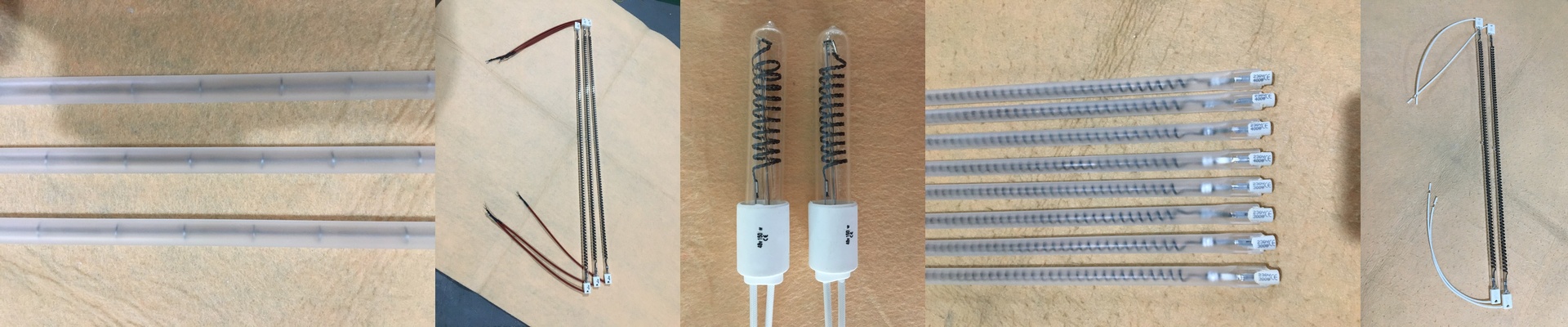
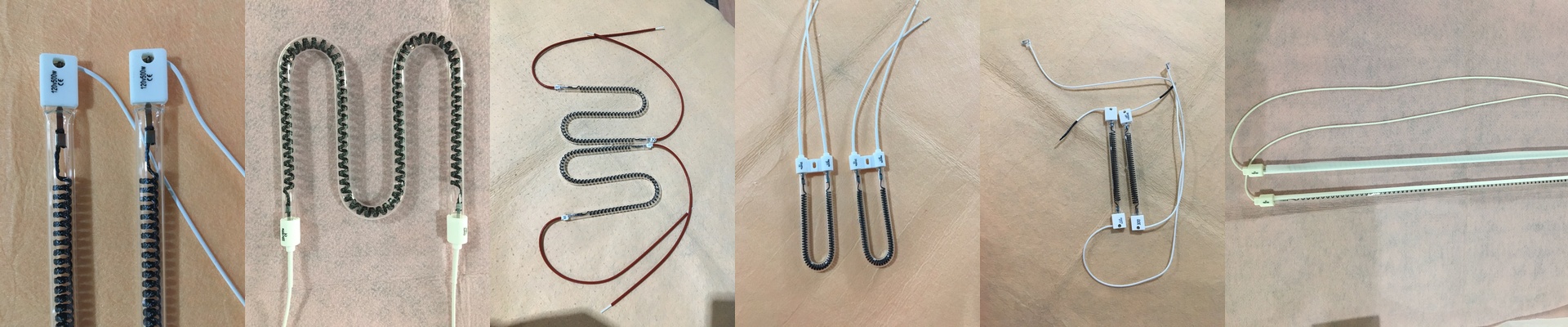
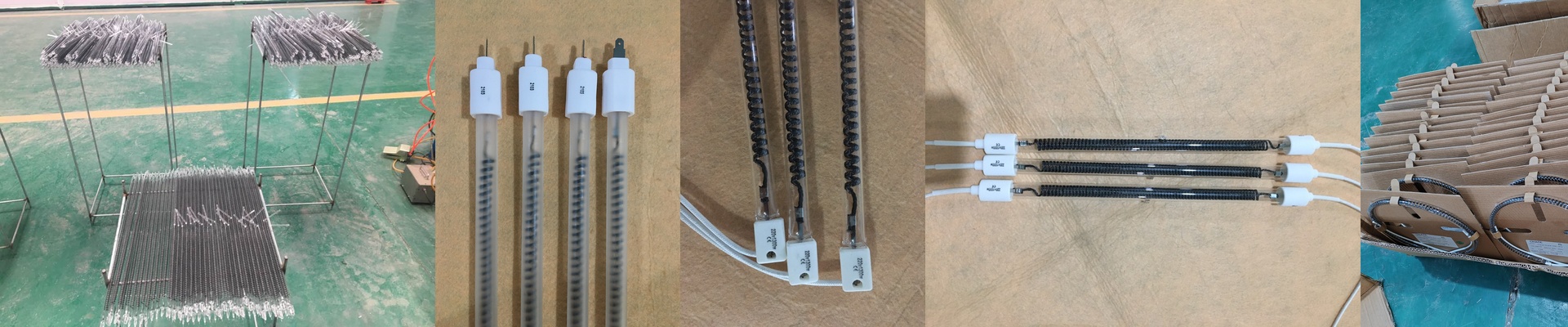
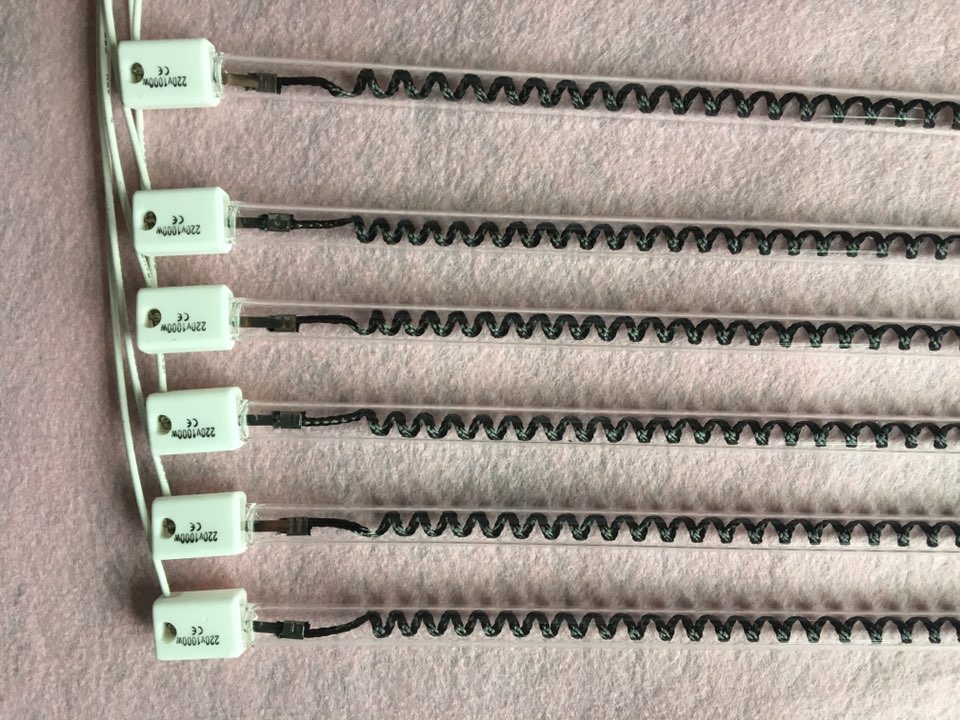
Basically, these lamps work by pushing electricity through a carbon fiber filament tucked inside a quartz tube. It’s a different beast than those old metal coils. Carbon fiber has less resistance, which means it pumps out medium-to-long wave infrared heat way more efficiently. The Deal with Power and Voltage We design these things to pack a ton of heat into a tiny space. If you go with a high-voltage tube, you’re really looking for heat density. It’s simple: more voltage lets us drive more power through the filament without having to make the lamp thicker. The result? It heats up fast. Really fast. Just a heads-up, though—make sure your wiring and power supply can actually handle that load. If they can’t, you’ll likely fry your connectors during a peak cycle. What They’re Made Of That quartz glass isn’t just for show; it keeps the filament from oxidizing. Sometimes we add special coatings to the glass to tweak how the heat reflects or shifts. Then there are the connectors—the R7s or Sk15 types. They aren’t just about fitting into the socket. They’re built to stay tight even when the metal expands from the heat. If the fit is loose, you’ll get a hot spot, and that’s usually where the lamp fails. Using Them in the Real World You’ll see these all over the place in PET blowing and plastic curing because the heat sinks into the material almost instantly. They’re a great swap for old halogen systems if you want to stop wasting so much energy. But here’s the catch: they’re fragile. The carbon filament is tough, but the quartz tube? Not so much. One bad bump or too much tension during install and you’ve got a crack. Use the right mounting clips to avoid putting stress on the glass. And if your machinery shakes a lot, please add some dampening to the holders. It’ll save you from replacing lamps way sooner than you should.