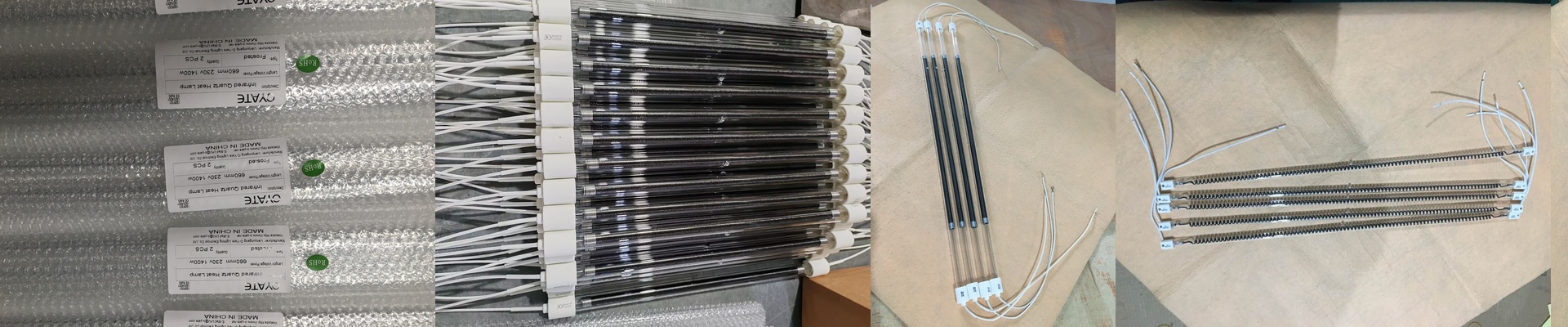
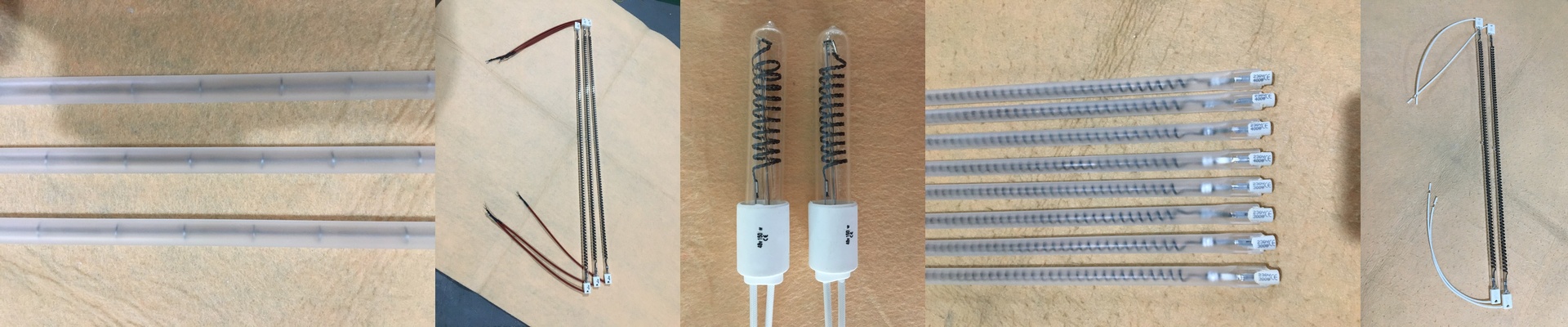
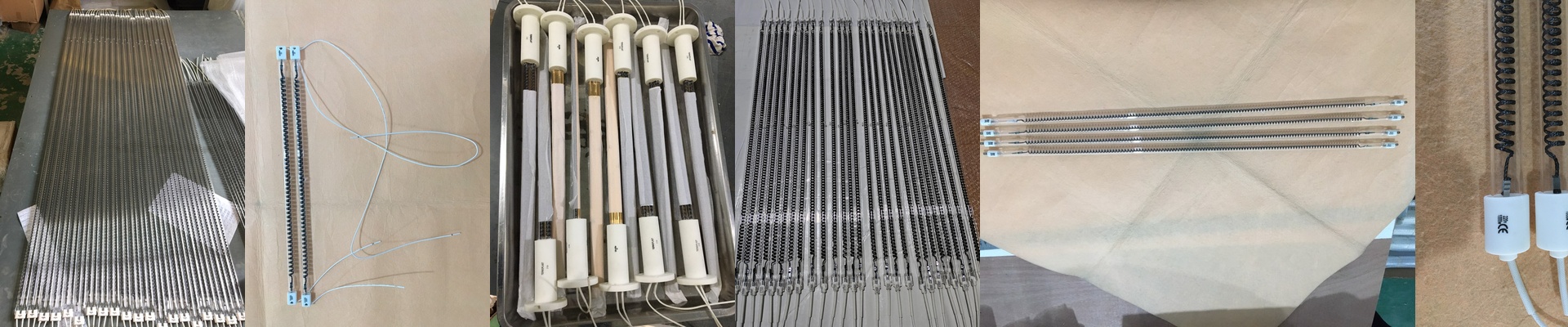
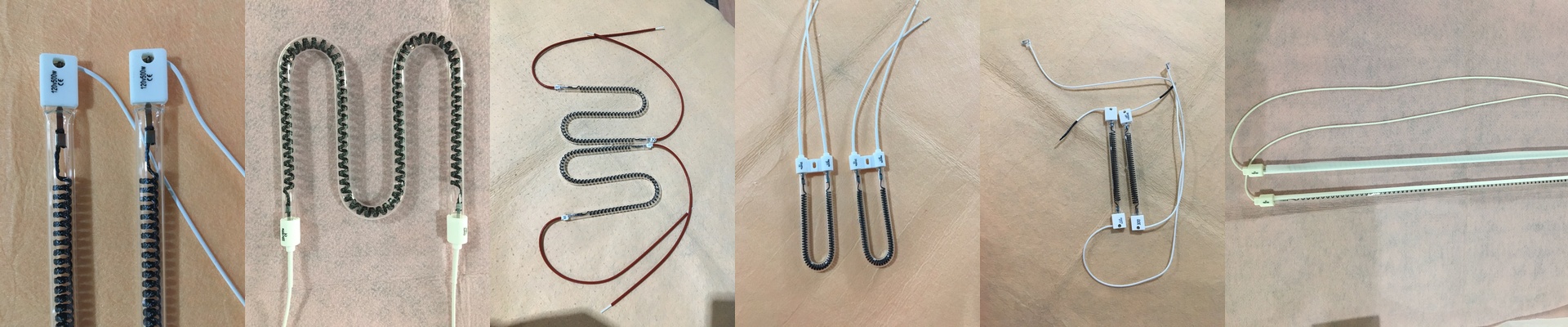
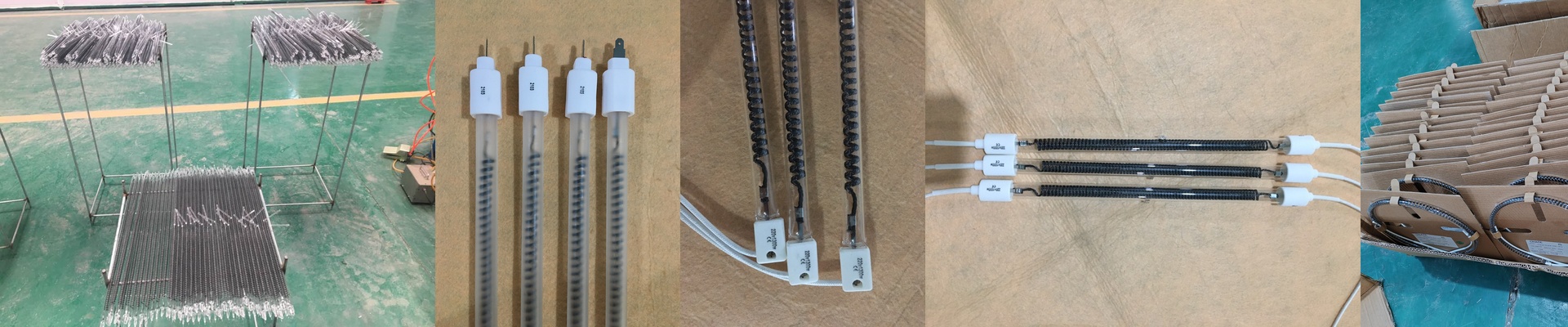
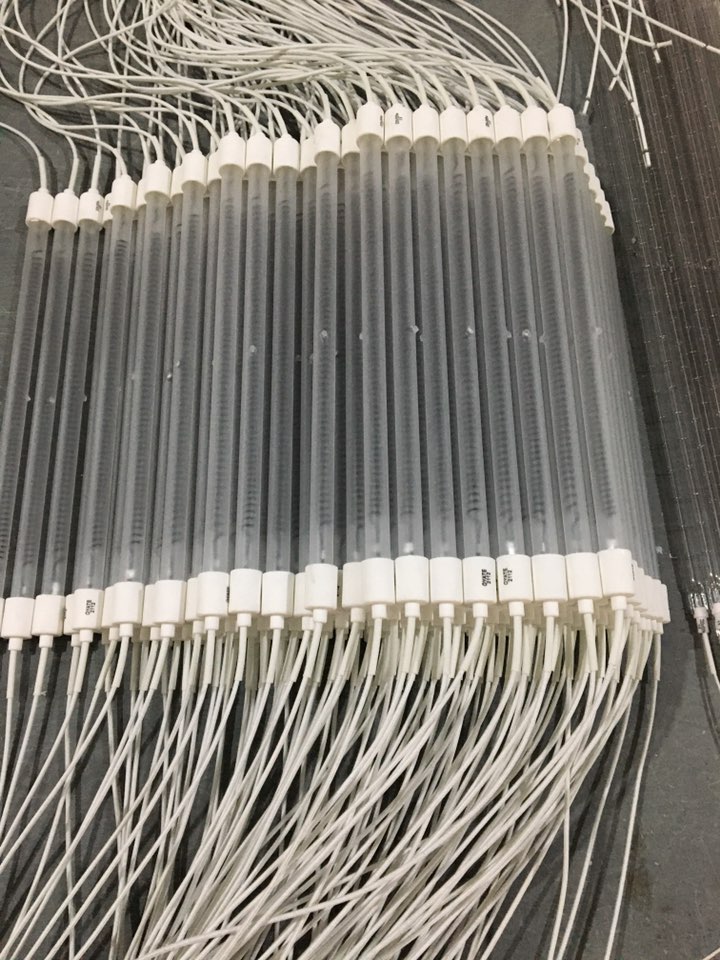
Let’s Talk About Our White Reflector Carbon Fiber Lamps
We built these carbon fiber infrared lamps because standard quartz tubes just weren’t cutting it. They’re too slow. By switching to a carbon fiber filament, we get a medium-wave emitter that actually sinks into the material rather than just skimming the surface. And that white coating? It’s not there to look pretty. It’s doing the heavy lifting. It pushes all that heat in one direction, so you aren’t wasting energy heating up the back of your oven or the machine’s housing. It just goes where it’s supposed to.
The Nitty-Gritty on Heat
Here is the thing about power: it all comes down to how you pair your wattage and voltage. If you go with a high-wattage tube, you’ll see your temperatures ramp up fast. What’s cool is that carbon fiber filaments don’t need to get nearly as hot as tungsten to do their job. You get a ton of infrared efficiency, which means more heat hits your part and less of it just vanishes into the air. We can build these to fit almost any industrial footprint. Maybe you need a tiny tube for a quick spot-cure, or a massive array for a conveyor belt. Either way, that white coating keeps the reflective index high so your workpiece hits the right temperature quickly.
Setting Them Up (And a Few Warnings)
We use standard connectors, so these should slide right into your existing setup without a headache. But—and this is a big but—**please check your current draw.**High-wattage carbon lamps pull a lot of power. If your wiring is too thin, you’re going to deal with voltage drops. When that happens, your heating becomes inconsistent, and that’s a nightmare for quality control. Also, keep them clean. Oil and dust are the enemies of that white reflector. If the coating gets dirty, the reflectivity tanks. You’ll notice the lamp itself getting scorching hot while your part stays cold. Give them a wipe-down to keep them from burning out early.
Where These Really Shine
These lamps are a lifesaver when you need heat that’s focused and directional. We see them used a lot in PET blowing, plastic welding, and industrial drying. Because the heat is so concentrated, you can actually shrink the size of your heating chamber. Just a heads-up: make sure your cooling fans can handle the heat density at the ends of the lamps. They get intense.