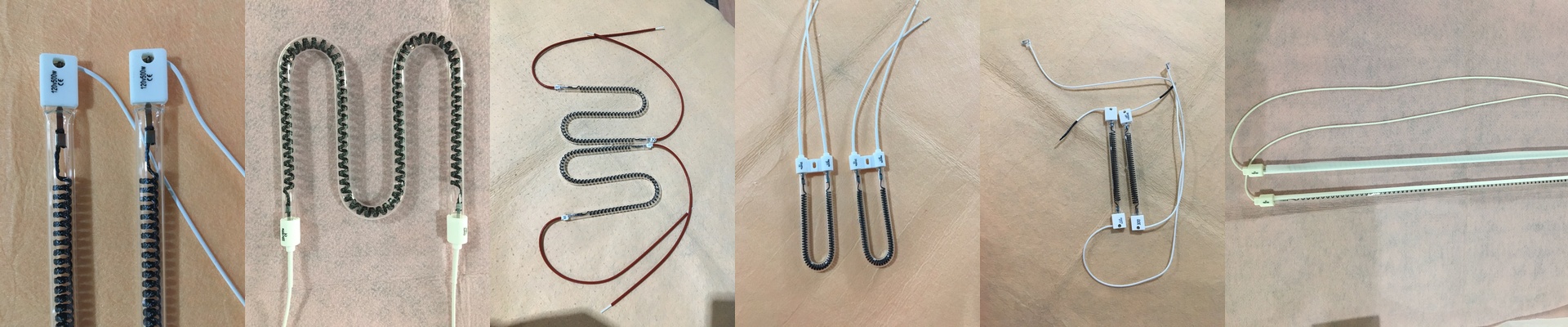
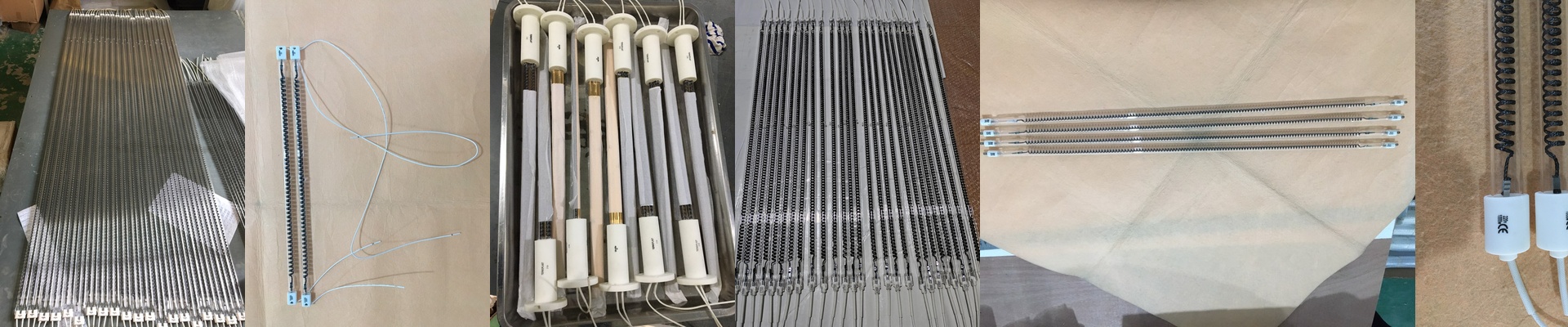
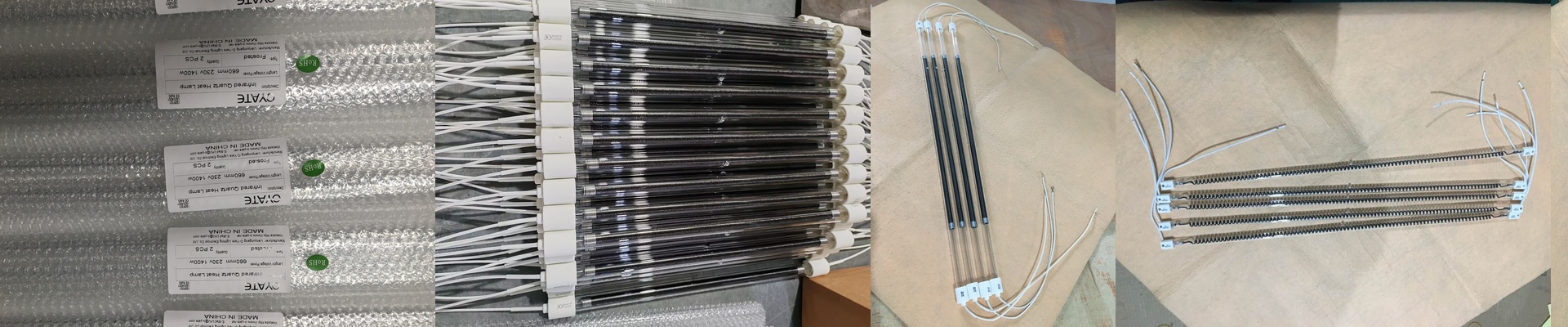
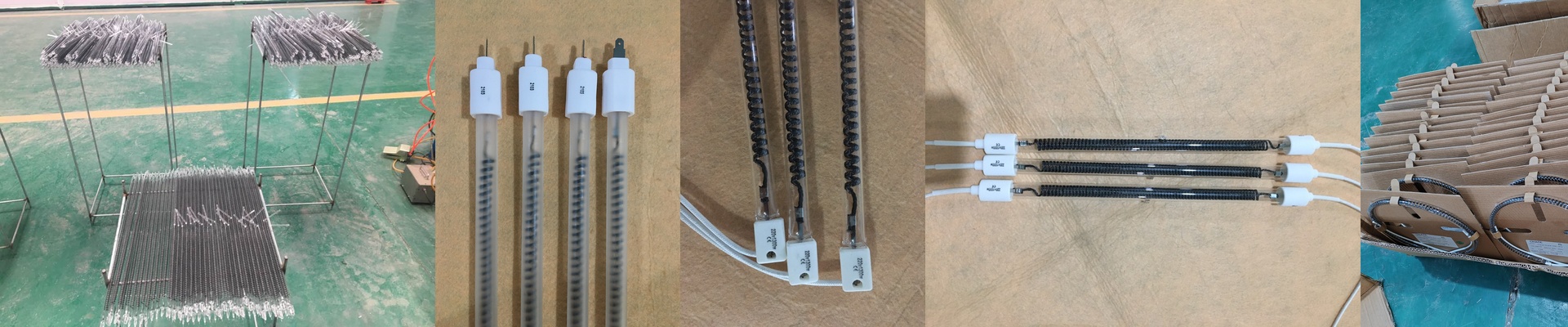
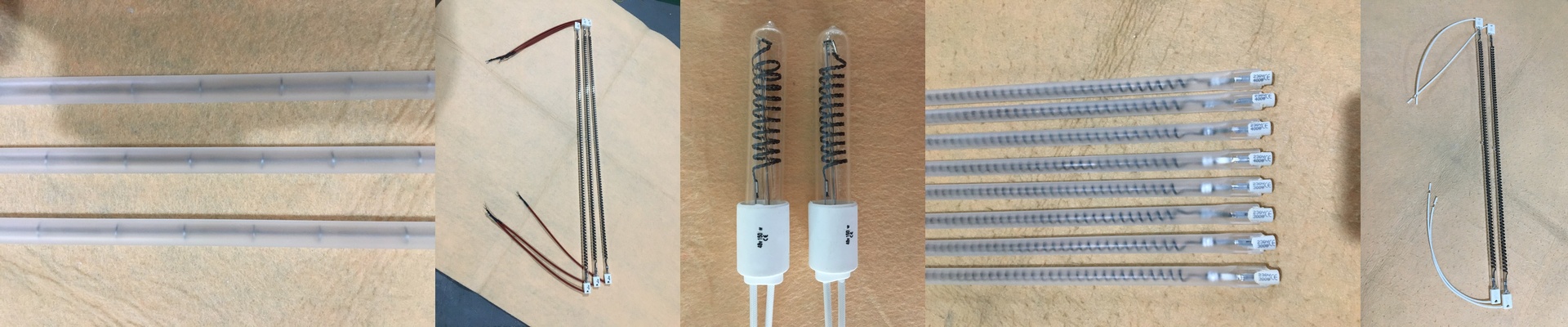
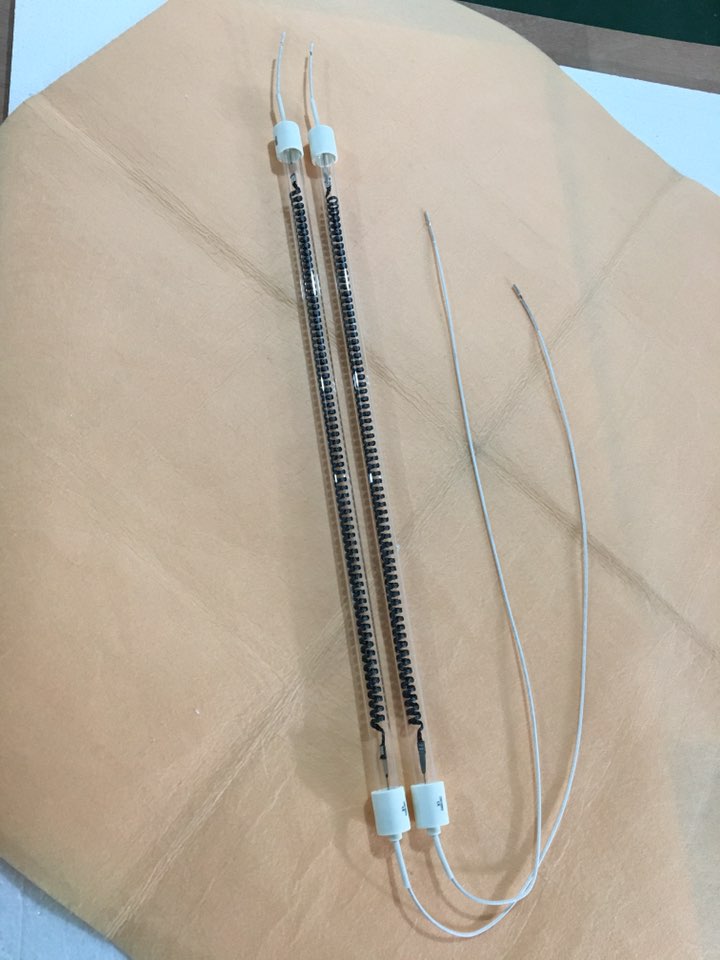
Why We Build M-Shape Carbon Fiber Lamps
Let’s talk about heat. Most traditional metal heating elements are slow. You turn them on, you wait, and you wait some more before they actually start doing their job. We wanted something that just hits immediately. That’s why we use carbon fiber. Instead of waiting for a metal rod to warm up, these lamps use short-wave infrared. It’s basically a direct line of energy from the lamp to whatever you’re heating. No middleman, no wasted time.
The Secret is in the “M”
You might look at the M-shape and think it’s just a design choice. It’s not. Here’s the thing: we bend the filament into that specific shape to cram more emitting surface into a tiny space. It lets us pack a lot more punch into a shorter tube. If you’re working with a tight machine chassis and don’t have an inch to spare, this is a lifesaver. You get the heat you need without needing a massive footprint.
Carbon Fiber vs. The Other Stuff
If you’ve used standard halogen tubes, you know they can be finicky. They snap. Especially when you’re flipping the power on and off quickly. Carbon fiber handles that thermal stress way better. It just holds up. We pair that with clear quartz glass because we want the heat to move fast and direct. Some people use coated tubes, but that just messes with the spectrum. Clear glass keeps things simple and efficient.
A Few Heads-Up for Installation
Now, a word of caution. These things are powerful, but they can be sensitive. You’ve got to be spot-on with your voltage regulators. If you push a lamp even 10% past its rated voltage, you’re going to fry the filament. It’s that simple. And please, think about your airflow. These lamps hit peak temperature almost instantly. If your housing isn’t vented properly, you’re going to end up with melted sockets. Trust me, you don’t want that.
Where These Actually Make Sense
These are great as drop-in replacements for things like PET bottle warming, drying lines, or curing stations. Basically, anywhere you need a “now” response. But keep in mind, they aren’t for everything. If your process needs a slow, gentle soak, these are overkill. You’d just be throwing energy away. But for high-speed lines? They’re perfect. You can stop worrying about long pre-heating cycles and just get to work.