Getting Infrared Heating Right (Because “Good Enough” Usually Isn’t)
For ten years, we were the ghosts in the machine. We worked behind the scenes as an OEM, building lamps for the big brands you’ve probably heard of. But here’s what we learned during that decade: when you’re heating high-density electronics, “good enough” is a recipe for disaster. We realized that if we wanted to actually hit those global quality marks, we had to stop just following a blueprint. We had to get obsessed with how quartz tubes actually behave.
The Truth About Heat Density
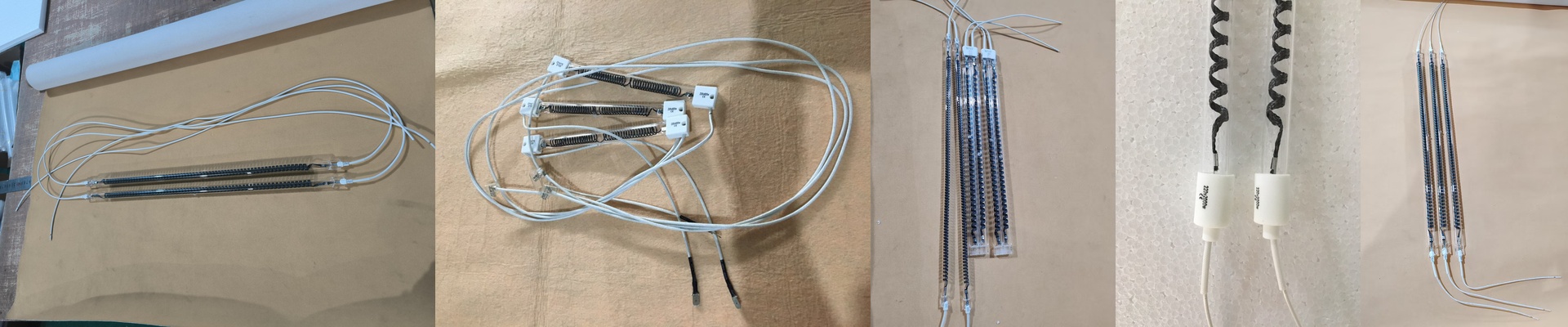
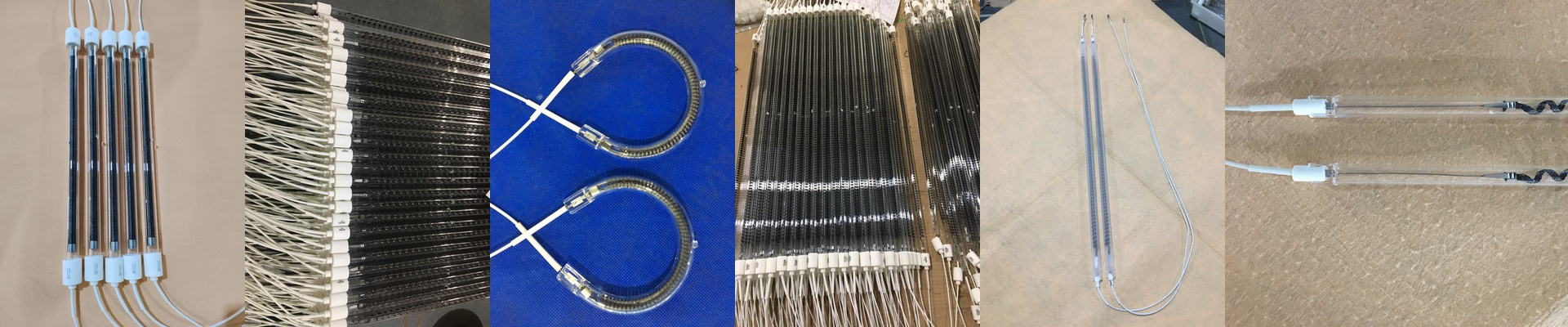
When you’re picking out a shortwave infrared lamp, it’s a balancing act between wattage and the length of the tube. If you cram high wattage into a tiny footprint, you get intense heat density. That’s great—until it isn’t. If the filament winding is off by even a single millimeter, you get hot spots. And hot spots are where lamps go to die. They burn out way too fast. That’s why we obsess over the tolerances. We make sure the heat is spread evenly across the whole tube so the output stays steady. No surprises.
The Nitty-Gritty: Materials and Connections
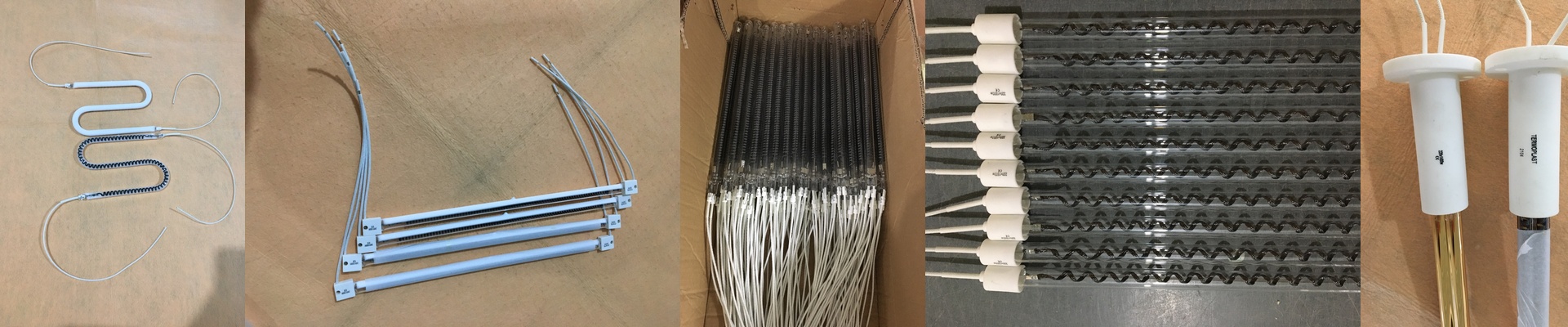
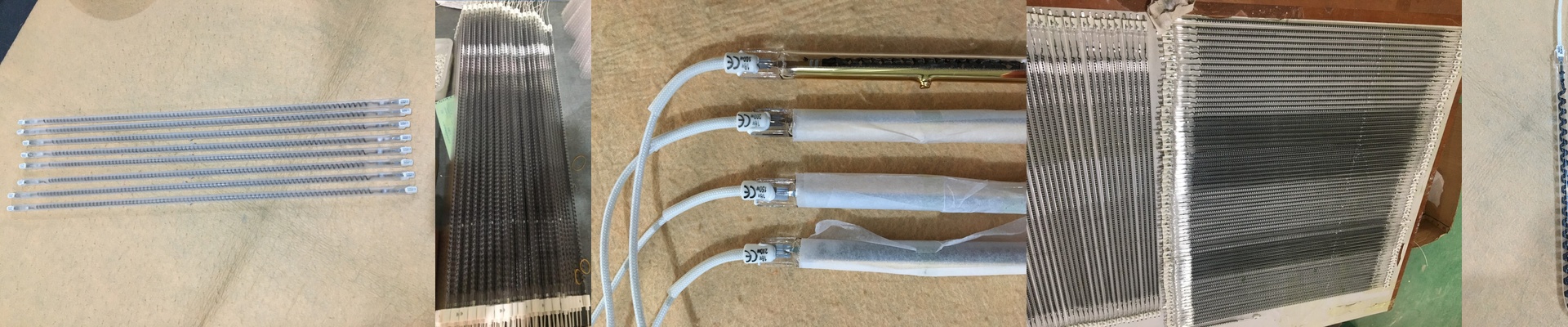
We use high-purity quartz and halogen gas fills. Why? Because it lets us push the temperature higher without the filament just giving up. And then there are the connectors—the R7s or Sk15 types. Most people think it’s just about whether the plug fits. It’s not. It’s about electrical contact resistance. We spend a lot of time on the crimping and the sealing of the end caps. If the gas leaks, the lamp is toast. That’s exactly where the cheap stuff fails.
Putting It to Work
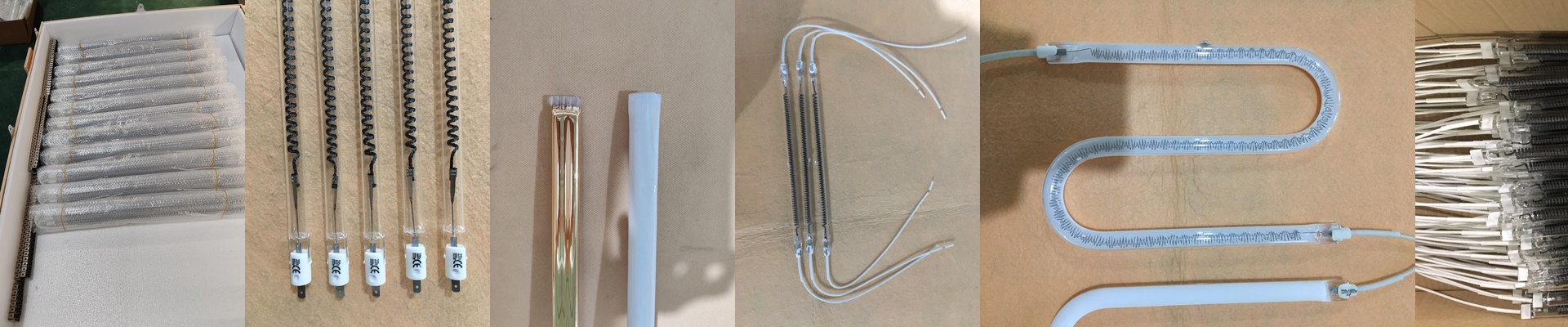
The good news is these lamps are easy to swap into most electronic curing or drying lines. They ramp up fast. You get the control you actually need. But I’ll be honest with you: there’s a trade-off. High-intensity infrared puts a massive load on your power supply and throws off a lot of ambient heat. If you don’t have the right cooling fans or the right housing materials to handle that “thermal soak,” you might actually warp your machine frame. We build our lamps to take a beating. Just make sure the rest of your setup is strong enough to handle the heat.