Stop Killing Your IR Lamps
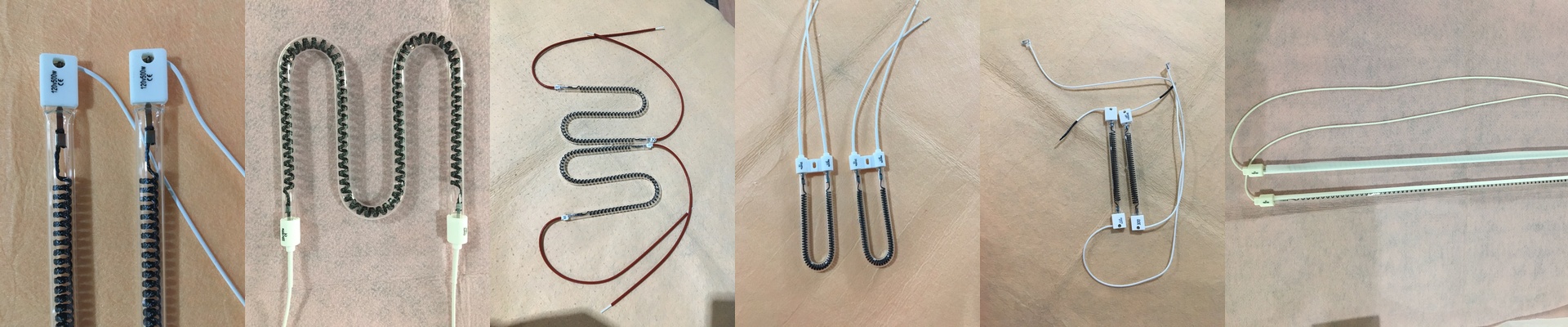
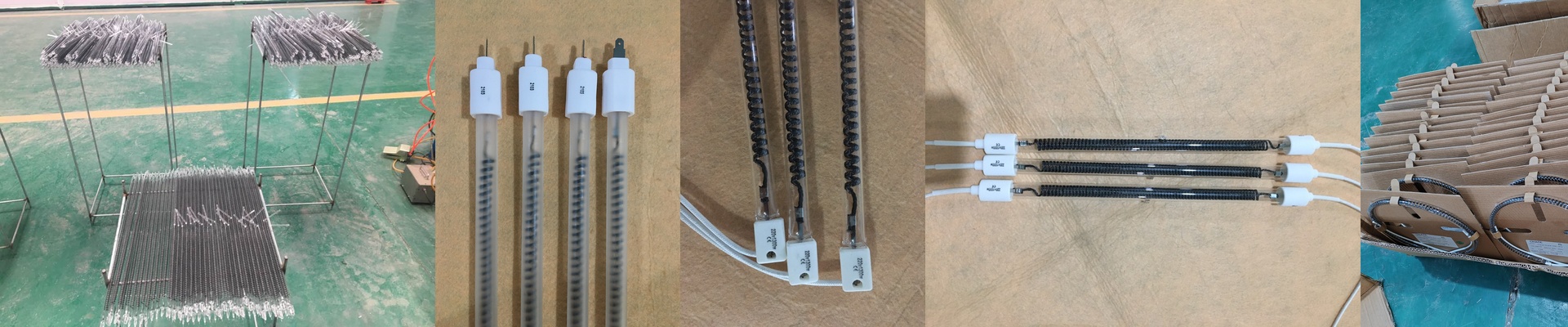
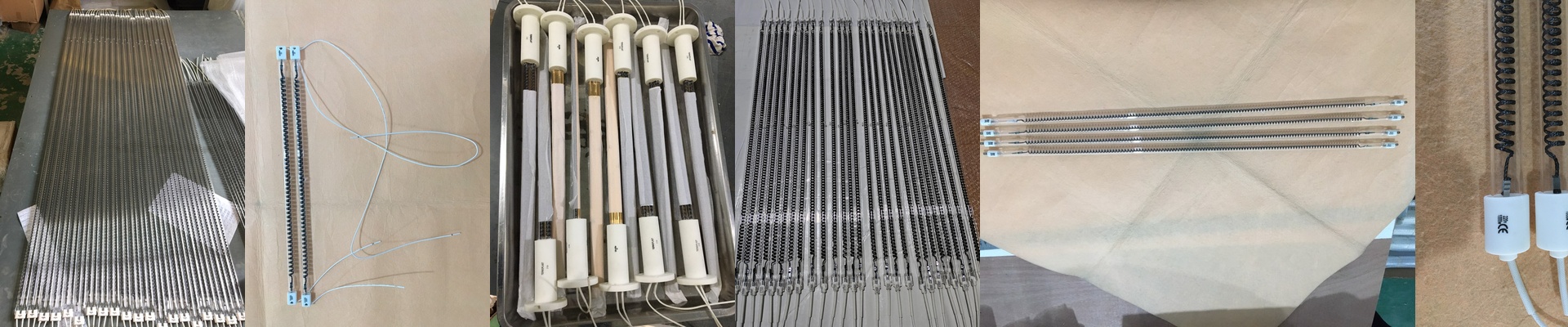
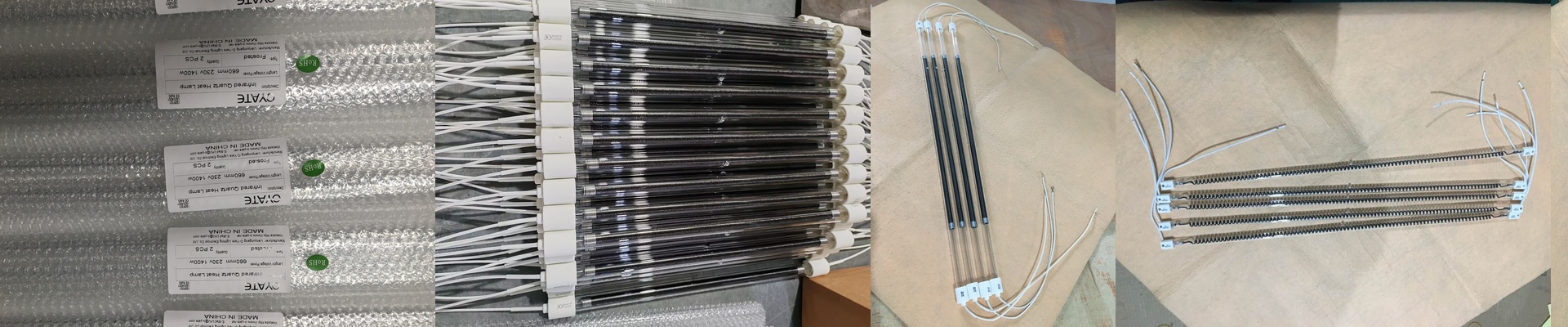
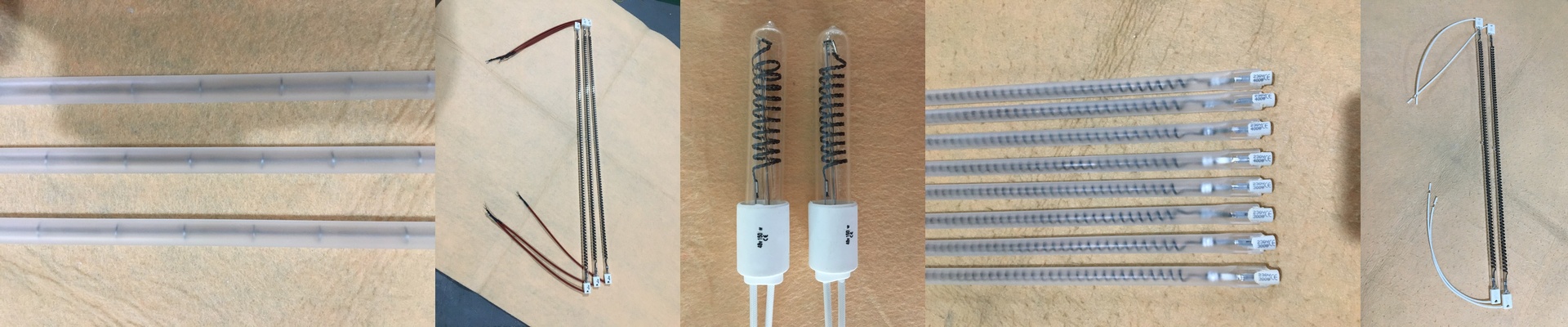
If you’ve spent any time on a soldering line, you know the smell. Those fumes are nasty. But they aren’t just bad for your lungs—they’re absolute poison for your infrared heating modules. Here is what happens: all those volatile organic compounds and flux residues drift straight toward the heat. Once they hit the quartz glass of the IR lamp, they bake on. You end up with this crusty, contaminated layer that traps the heat inside the tube. The lamp overheats, stresses out, and burns out way before it should. It’s a frustrating cycle.
The “Air Curtain” Fix
We found a better way to handle this. Instead of just putting a piece of glass in front of the lamp and hoping for the best, we use an air curtain. Think of it like a high-pressure wall of filtered air blowing across the face of the module. It creates a physical barrier that the fumes simply can’t get through. The result? Your quartz envelope stays crystal clear. The difference in lamp life is massive. Without this, you’re basically swapping tubes every few weeks. With it, you actually get to use the full life of the filament.
The Balancing Act
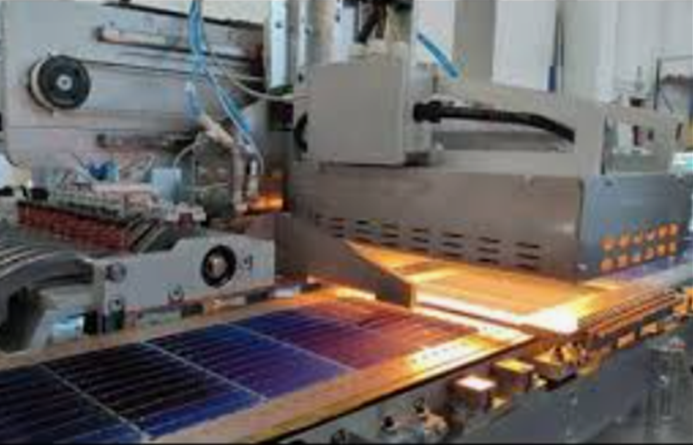
Now, you can’t just throw a fan at the problem and call it a day. There’s a bit of a tightrope to walk here. You need a blower and ducting system that keeps the airflow steady. If the air is too weak, the fumes leak through and you’re back to square one. But if you crank it up too high, you’ll start cooling down the workpiece itself. That messes with your thermal profile and ruins your solder joints. It takes a little tweaking to find that sweet spot where the pressure is high enough to protect the lamp, but low enough to let the heat do its job.
Why This Actually Matters
Beyond just saving you the annoyance of constant replacements, this is just smarter manufacturing. When a lamp gets coated in soot, it loses its edge. The controller has to pull more power just to keep the temperature where it needs to be. By keeping the glass clean, the heat hits the board consistently. You get fewer scrapped parts, a more stable energy bill, and a lot less industrial waste. It just makes the whole line run smoother.