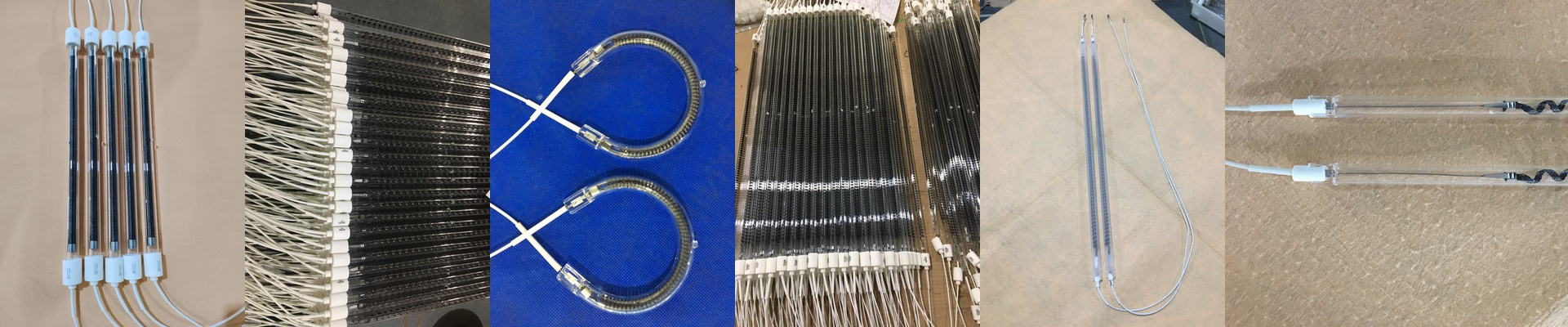
Let’s Talk Quartz Carbon Infrared Heaters
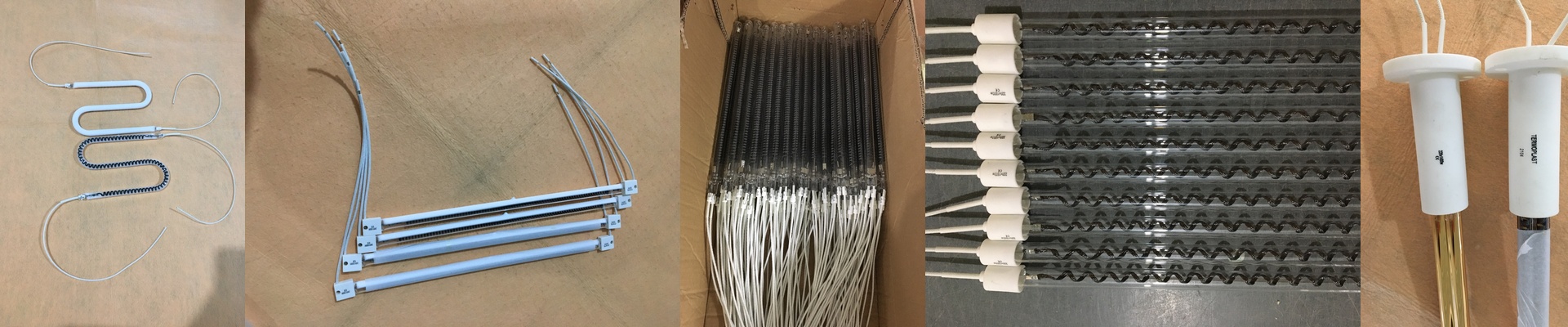
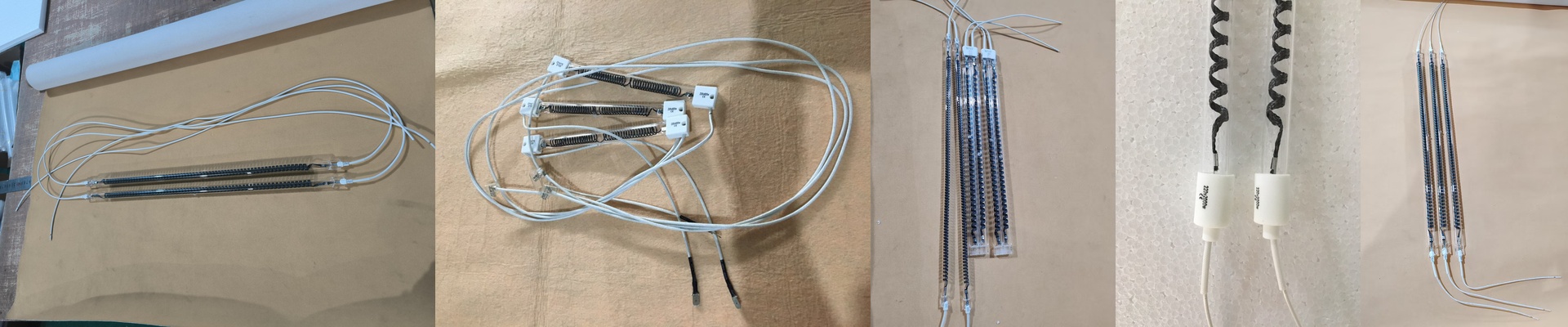
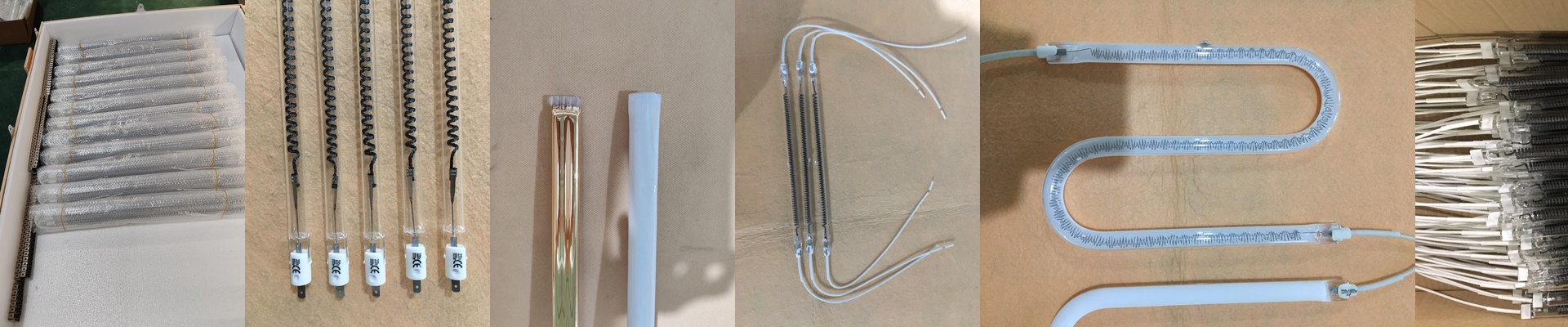
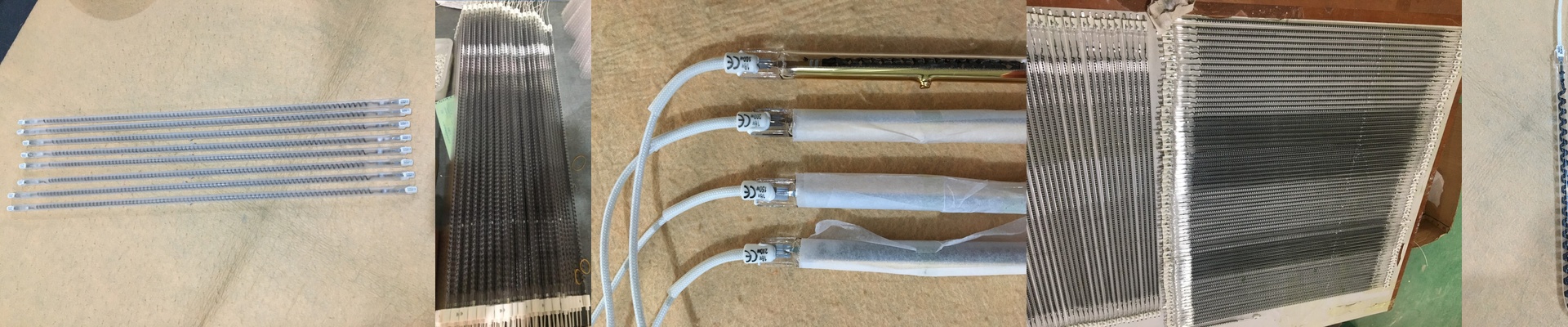
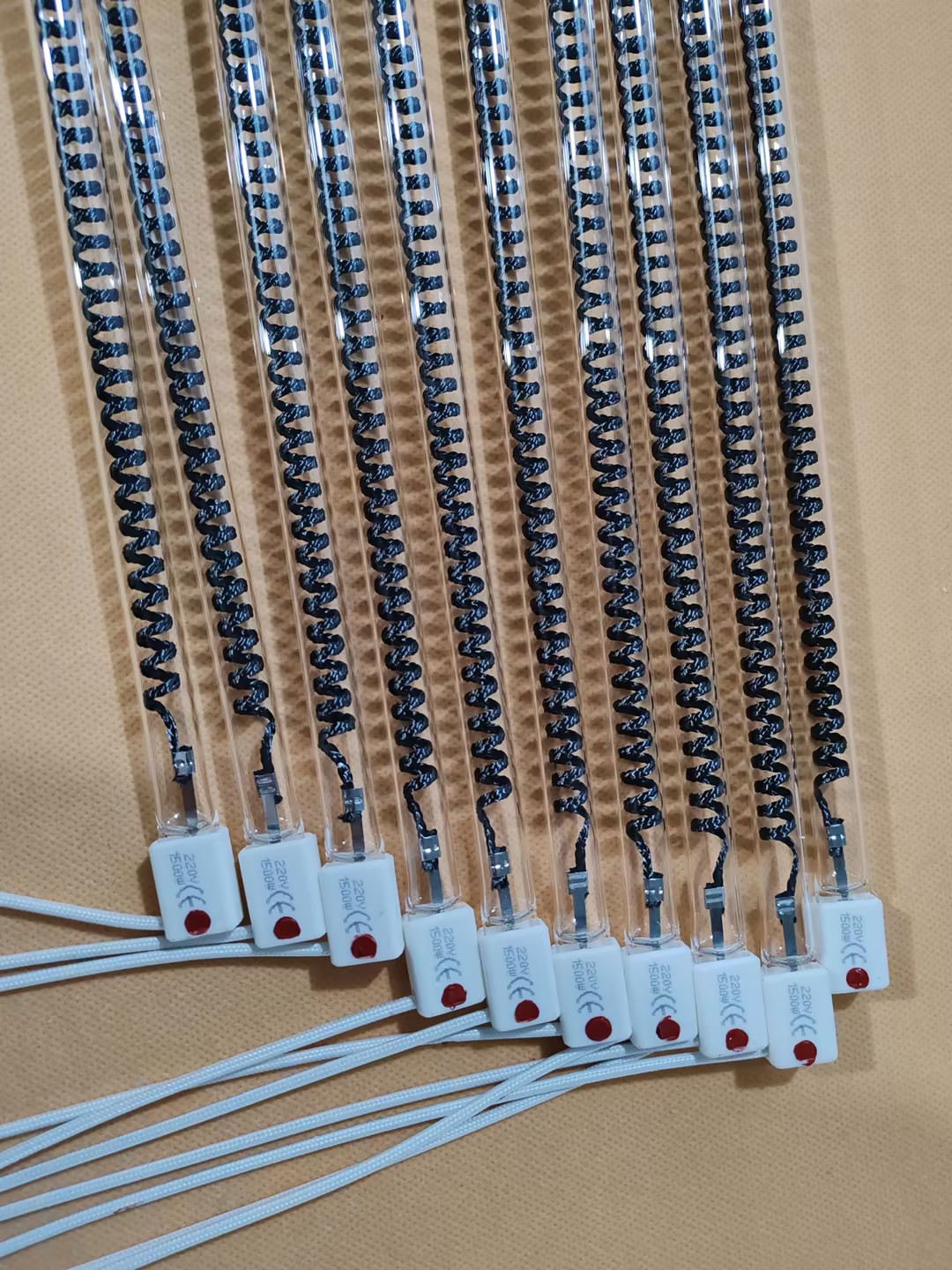
Ever used a heater that takes forever to actually get hot? It’s frustrating. That’s why we go with quartz carbon infrared lamps. Basically, we take a carbon fiber filament and tuck it inside a high-purity quartz tube. The magic here is the speed. These things ramp up almost instantly and pack a serious punch of heat. Because we use carbon instead of old-school metal coils, the heat behaves differently. It spreads across a wider spectrum, which means different industrial materials actually “soak up” the heat better. It just works more efficiently. The Nitty-Gritty on Power When we’re figuring out the specs for your setup, it all comes down to your power grid. We tweak the wattage and voltage so everything plays nice together. If you’re running a heavy-duty setup—think 2000W or more—do me a favor: check your wiring gauge. If the wires are too thin, you’ll get voltage drops at the terminals, and nobody wants to deal with that headache. Materials and the “Fit” The quartz tube isn’t just for show; it keeps the filament from oxidizing and burning out. Depending on what you’re doing, we can add coatings to change the wavelength. Need to cure a surface quickly? Go with shortwave. Need the heat to sink deeper into the material? Medium-wave is your best bet. For the plugs, we stick to the basics like R7s or Sk15. They’re standard for a reason—they just fit. They keep the connection tight so you don’t get those nasty electrical arcs that fry the end caps. Real-World Use (and a few warnings) You’ll see these a lot in plastic welding or PET blowing. The carbon filament hits its peak temperature in a blink, which means your cycle times drop and you get more done. But here’s the thing: quartz is fragile. If your machine vibrates like crazy or your mounting clips are clamped down too tight, you’re asking for trouble. Also, remember that things grow when they get hot. That’s called thermal expansion. If you don’t leave a little breathing room for the tube to expand, it’ll crack. Just make sure your brackets have a bit of wiggle room, and you’ll be golden.