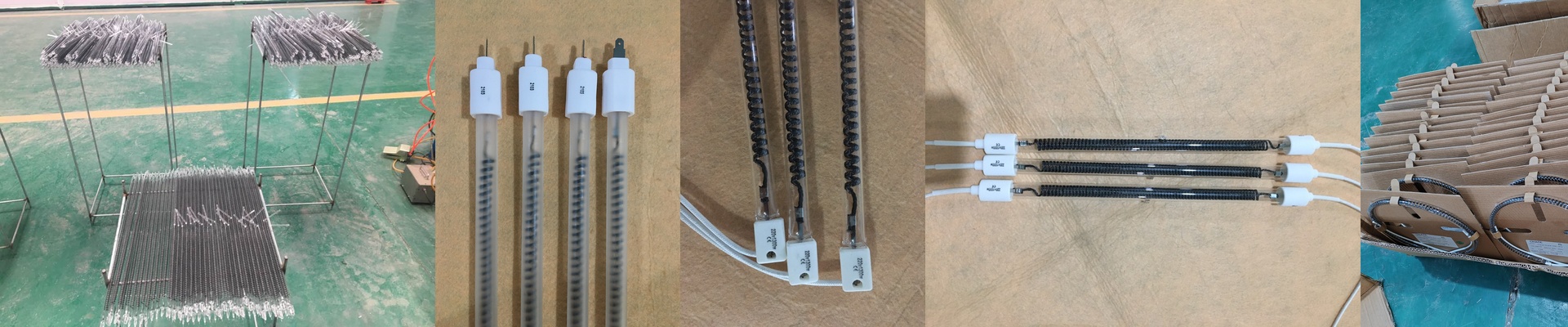
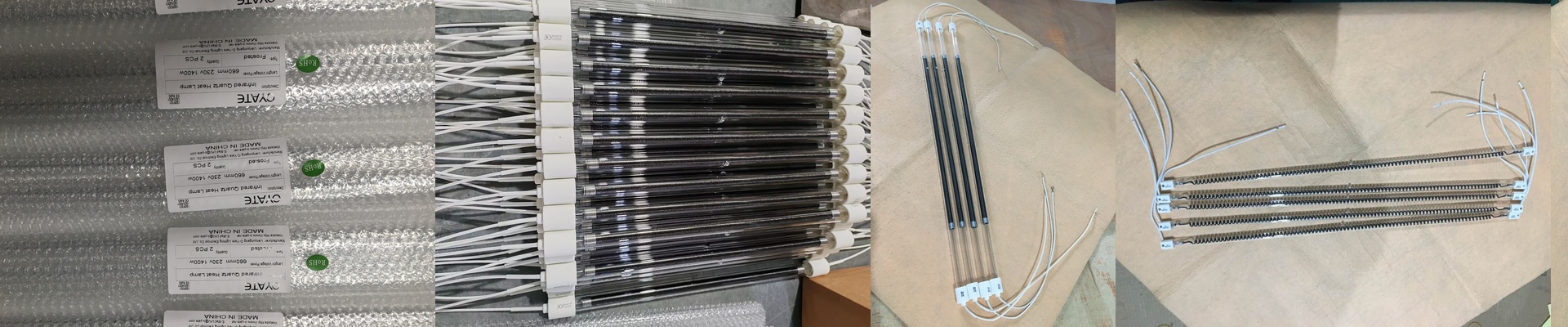
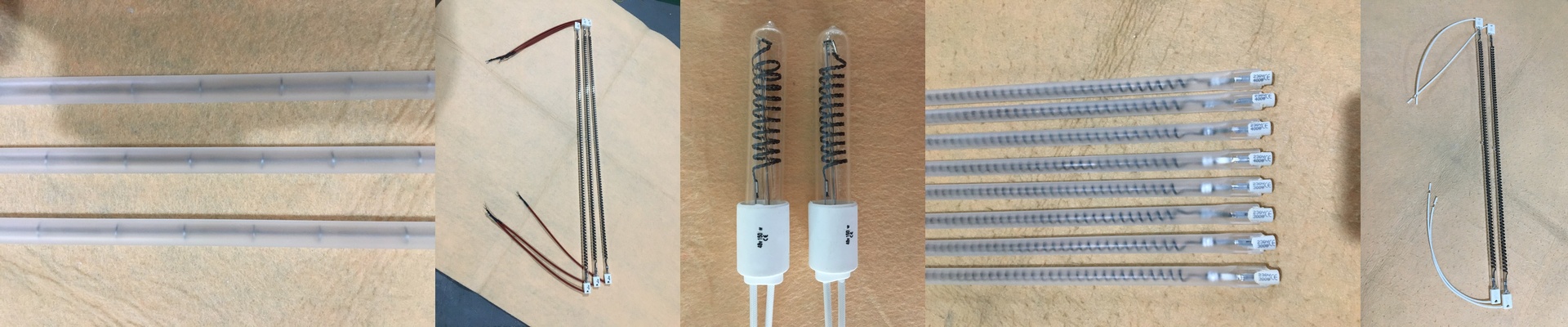
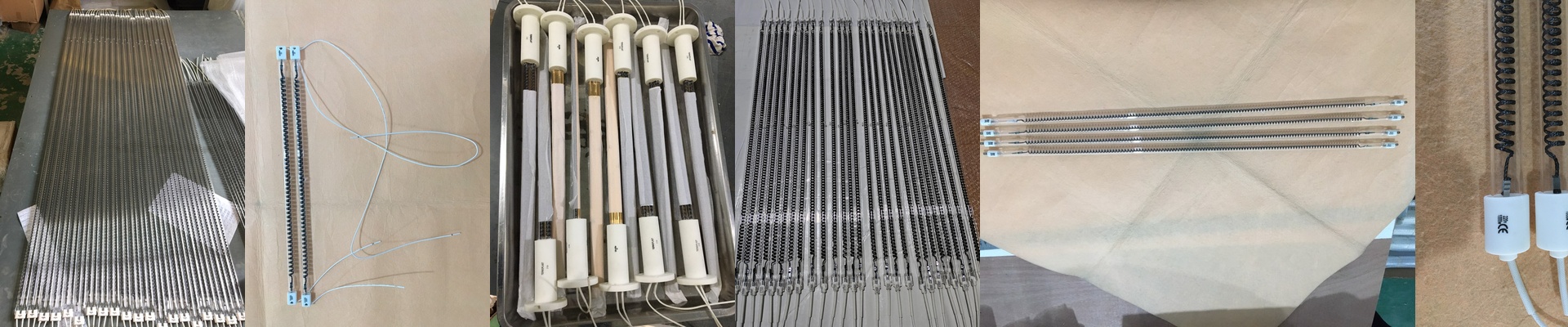
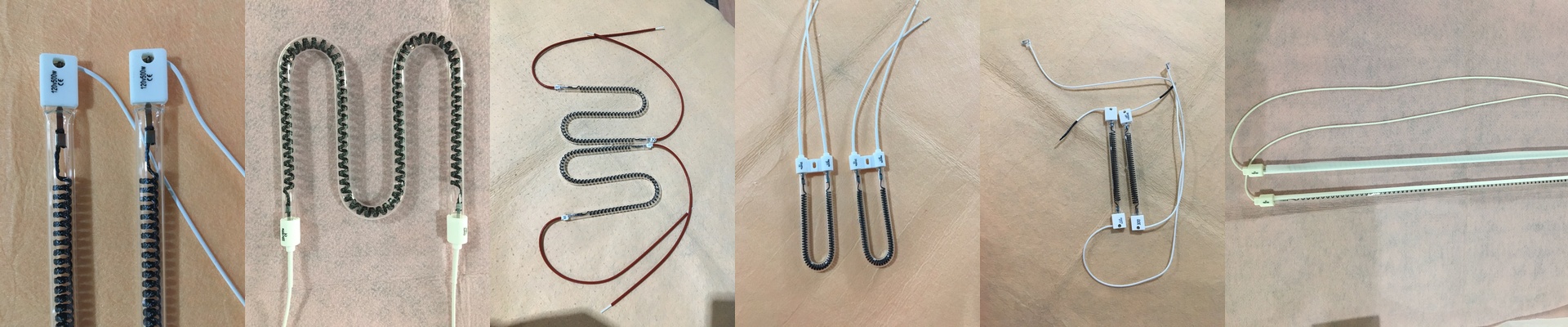
Meet the spiral-type carbon fiber infrared heat lamp—built for industrial heating where speed and focused power are everything. We wrapped a high-resistance carbon fiber element into a tight spiral. Heat shoots straight out, with almost no bouncing around inside. The payoff? It hits target temps almost instantly and holds steady, even when the job runs nonstop. Power, voltage, and size—kept tight and purposeful We designed this lamp to pack a lot of heat into a small footprint. Run it on 400V and you can get up to 2500W of output, so you get serious power per inch of tube. The 300mm length keeps the heating zone focused and repeatable—ideal when you need the same hot spot, again and again. High voltage also means lower current for the same power. That lets you use smaller wiring and eases stress on terminals. The trade-off is straightforward: you’ll want control gear and insulation rated for 400V, and the surrounding equipment needs to handle the extra heat in the area. Materials and design—built to take it The carbon fiber element sits inside a quartz envelope, chosen because it handles sudden temperature swings well and stays steady in the infrared range. Inside, a reflective coating catches stray radiation and sends it back onto the filament. That boosts effective output without asking for more input power. The spiral shape gives you more surface area inside the tube, which helps heat transfer to the load and keeps temperature more even along the lamp. And it comes with an R7s connector, so it drops right into standard fixtures—no fuss. Where it shines—and why it matters on the floor This setup is made for industrial processes that need fast, localized heating: plastic welding, thermoforming, and PET blowing are classic examples. The infrared profile lines up with how many polymers absorb heat, so you get quicker melt response without wasting energy heating air. The tube is compact, so it fits into tight spots, and the R7s termination keeps replacement and wiring simple. You get a quick warm-up, output that stays stable, and a tough envelope. Just make sure your machine’s cooling and electrical insulation are ready for that 400V, high-wattage profile.