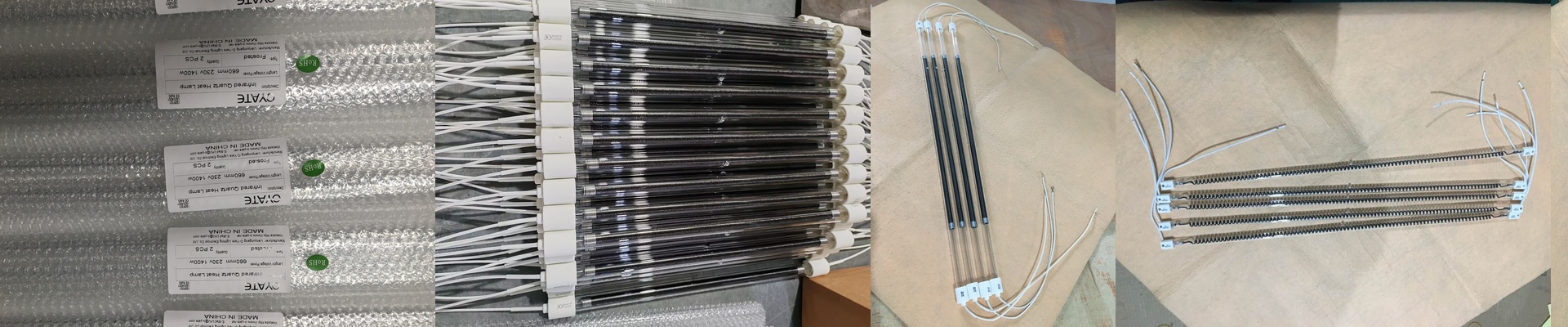
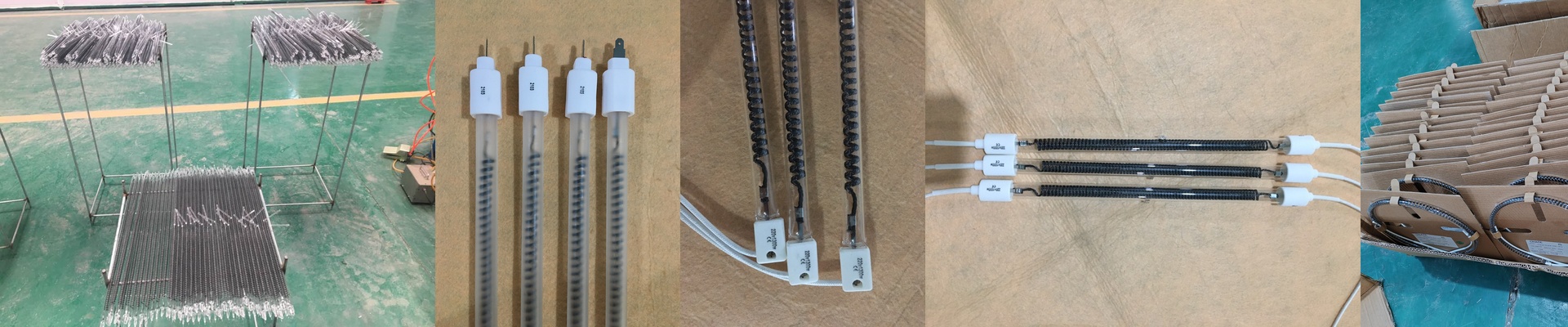
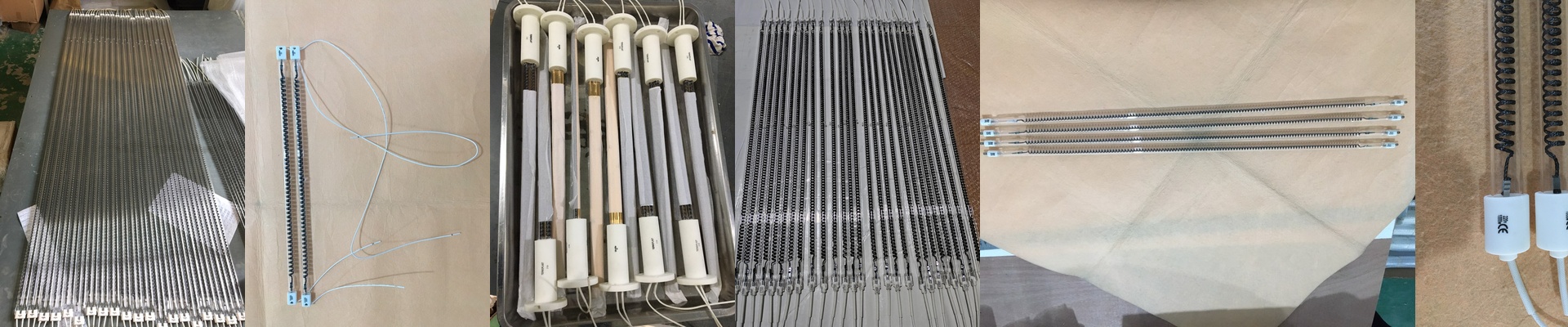
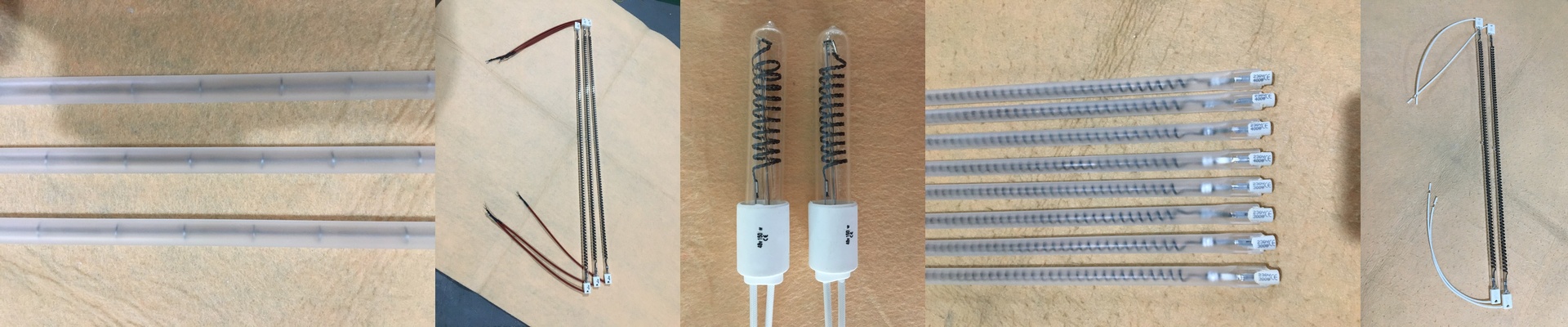
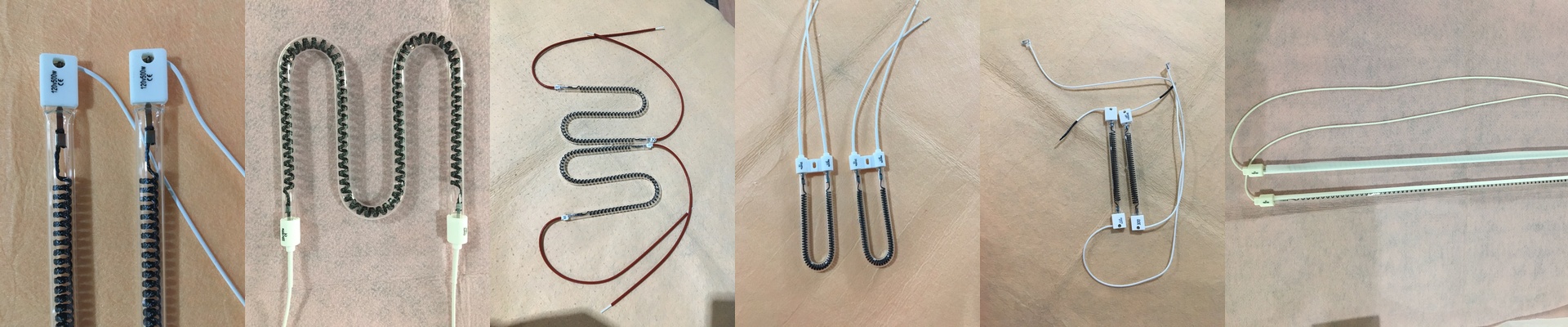
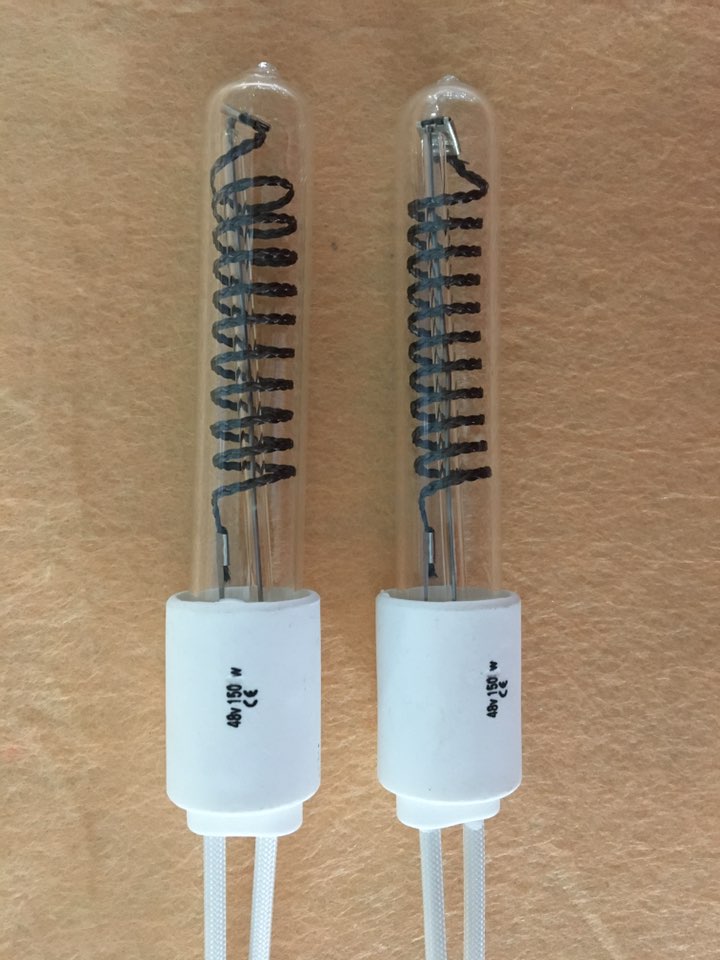
Let’s talk about the R7s Carbon fiber Heating Element
We’ve gone with carbon fiber filaments tucked inside quartz glass to get that targeted, short-wave infrared heat. If you’ve used standard tungsten coils, you know they tend to sag once things get hot. Carbon fiber doesn’t do that. Plus, the heat actually sinks deeper into your materials, which makes a world of difference. The electrical side of things The R7s base is a simple push-in connector. We did that on purpose so you can swap them out on the shop floor without breaking a sweat. Usually, these are set for 230V or 110V, depending on where you’re located. Here’s the trick: carbon fiber doesn’t resist electricity the way metal does. To hit the right wattage, we have to be really precise with how long and thick the filament is. When you pack high wattage into a short tube, it gets incredibly hot—fast. Just double-check that your wiring and sockets can handle the load. You don’t want to accidentally melt your housing. What it’s made of (and what to watch out for) The quartz envelope is there to keep the carbon from oxidizing. Sometimes we add special coatings to these tubes to tweak the infrared wavelength or just crank up the heat. Since it’s an R7s interface, you can skip the messy soldering. It just drops right into most halogen setups. But a heads-up: carbon fiber is a bit more brittle than tungsten. If your machine shakes a lot or if someone is a bit too rough during installation, the filament can snap. Handle them with care. Putting them to work You’ll mostly find these in PET bottle blowing or plastic shrink wrapping. The best part? They ramp up almost instantly. You aren’t standing around waiting for the machine to warm up; you get that heat hit on the workpiece the second you need it. One last thing. These tubes put out some intense, localized heat. If your cooling fans aren’t up to the task, you might warp your reflector or fry nearby components. Keep the area clean and clear of anything that could catch fire. Simple as that.