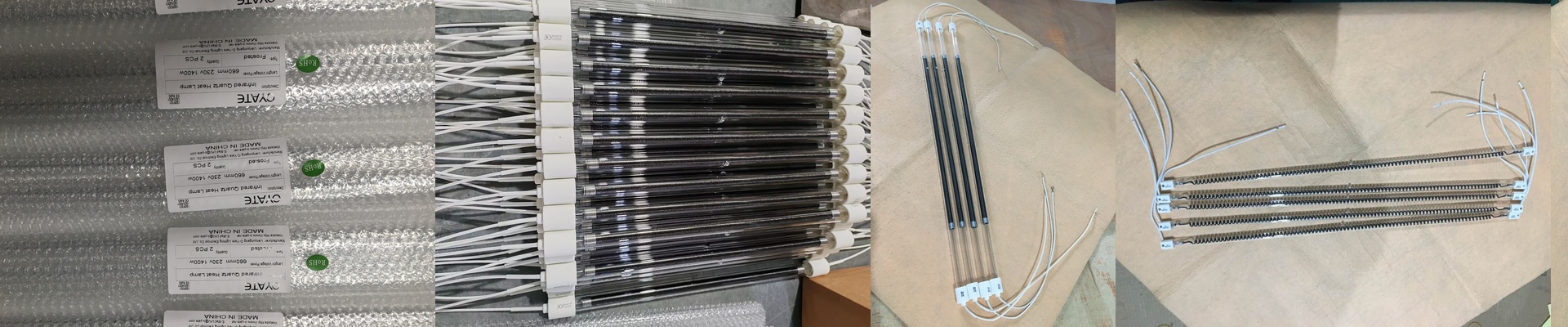
Let’s Talk Carbon Fiber IR Lamps
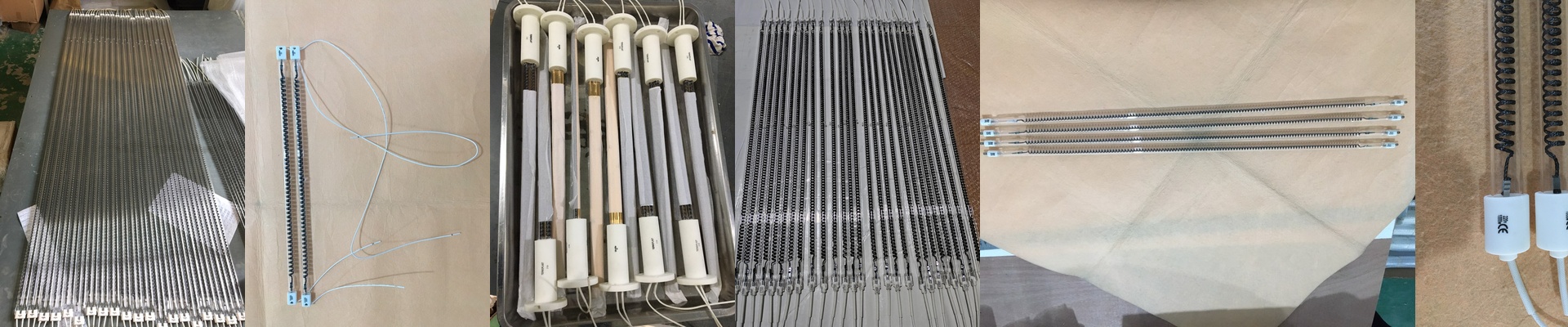
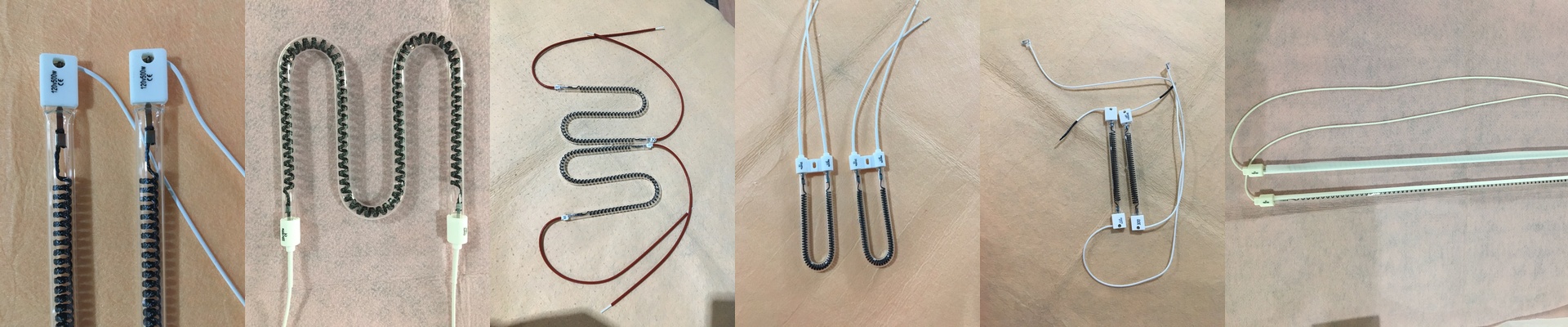
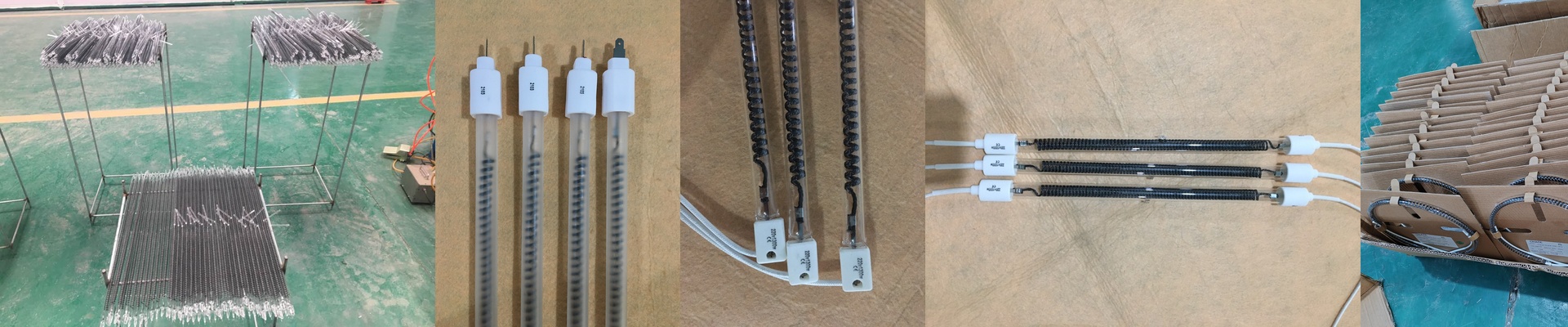
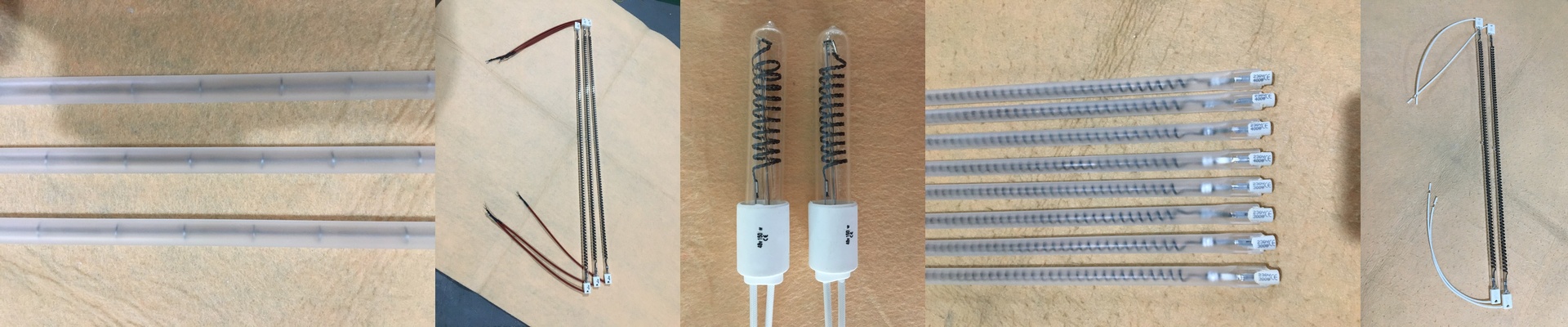
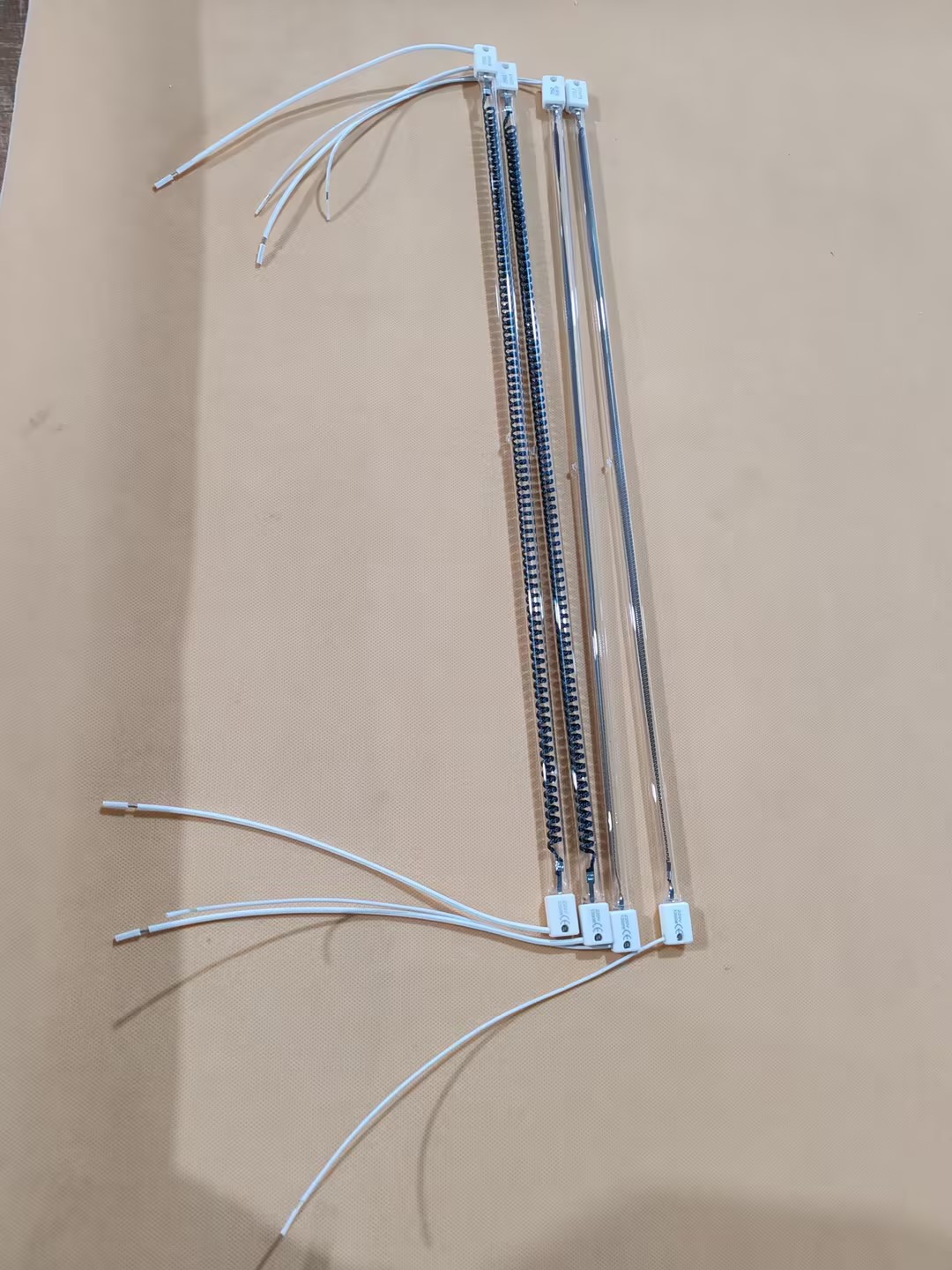
If you’ve ever dealt with traditional metal filaments, you know they have their limits. That’s why we use carbon fiber. We wrap a carbon filament inside a quartz tube, and the result is a beast of a heater. It handles extreme heat way better than metal does and puts out a much wider range of radiation. For anyone running industrial lines, it basically means your heating cycles happen a lot faster. The Nitty-Gritty on Power We don’t just guess the wattage; we build these to hit a very specific heat target per centimeter. Here’s the thing: when the tubes get longer, we usually bump up the voltage—sometimes all the way to 400V. We do this so you get that intense heat without blowing out your power rails. It makes the ramp-up time incredibly quick. Just a heads-up, though—make sure your wiring and contactors can actually handle that peak current. If they can’t, you’re just asking for your terminals to burn out. Materials and the “Fit” The quartz tube is what does the heavy lifting here. We use high-purity quartz because it lets the IR light through without blocking it and doesn’t crack when the temperature swings wildly. And if your environment is particularly messy or you need a specific wavelength, we can add some coatings to the glass to protect the filament or tweak the heat. As for the plugs, we stick with R7s or Sk15 connectors. Why? Because they just work. They slide right into most standard housings. Plus, they hold tight. In a loud, vibrating factory, a loose connection is a nightmare—it leads to arc-flashes, and nobody wants that. Real-World Use (And the Catch) These are the go-to for things like PET blowing, curing paint, or welding plastics. Since they put out shortwave radiation, the heat sinks into the material almost instantly. It shaves a ton of time off your cycle. But there is a trade-off. This much heat is intense. Like, really intense. If your cooling fans are weak or your heat sinks are undersized, you’re going to have problems. You might see your reflectors warp or your sensors fry. The trick is balance. Give the heat a way to escape, or it’ll start eating your machine.