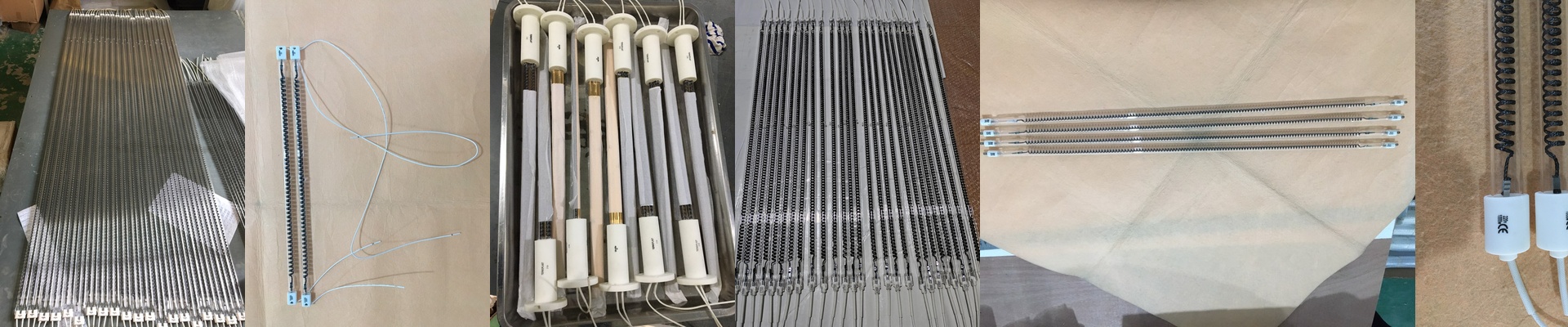
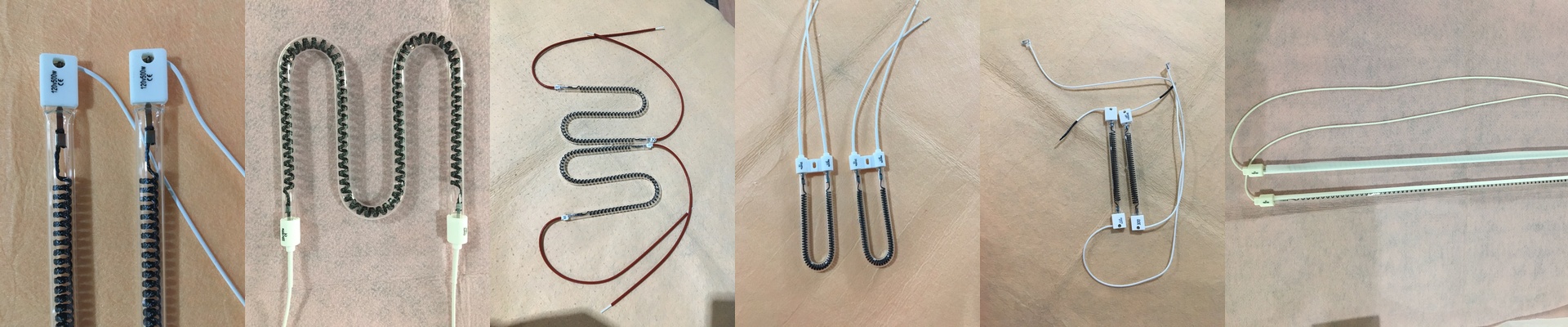
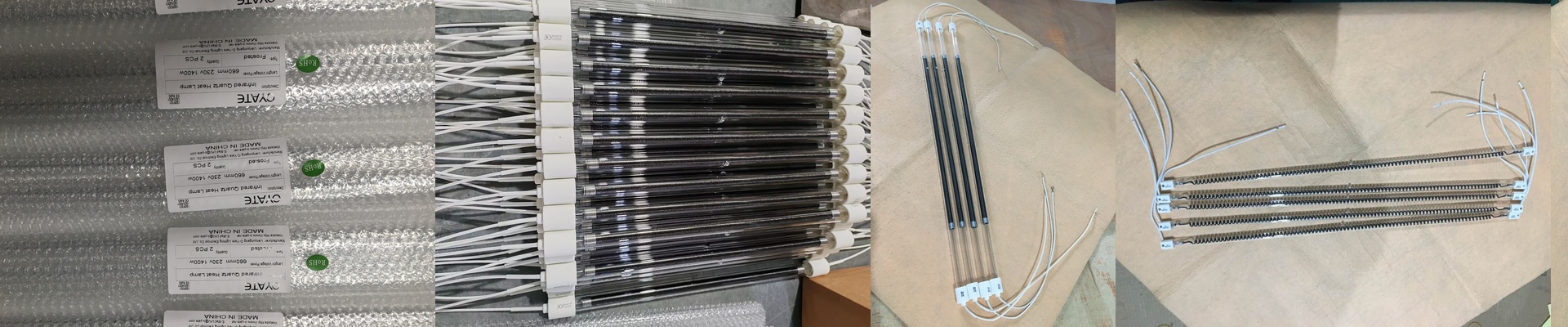
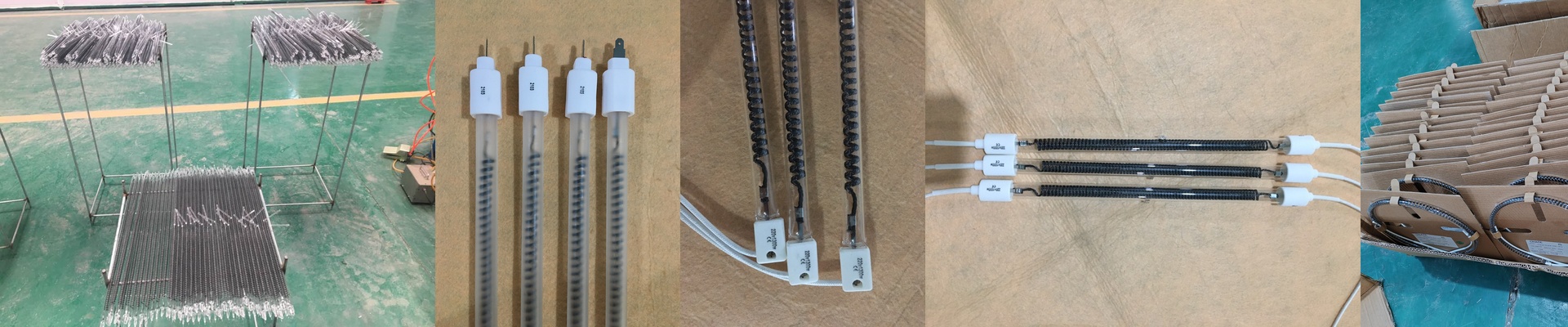
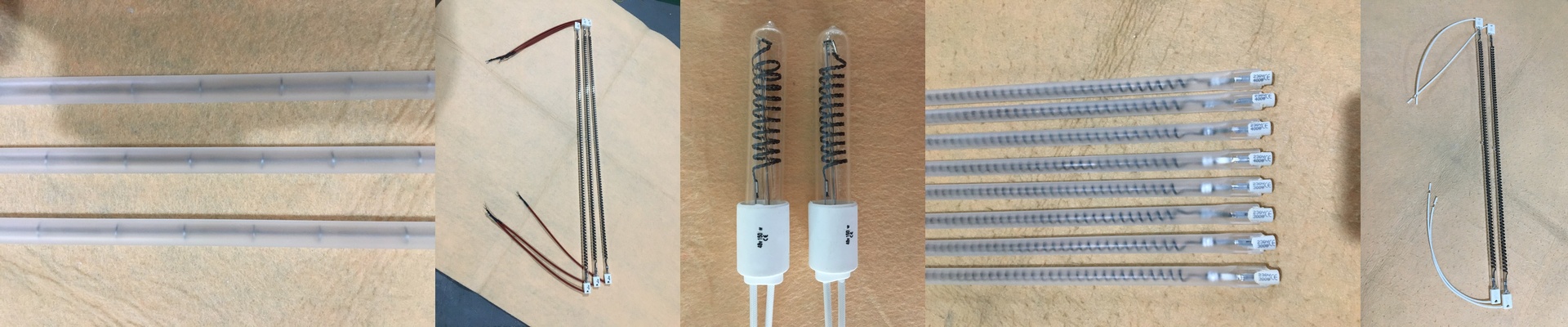
Let’s talk about the 1500W Carbon Fiber Lamp
We built these lamps because we were tired of seeing traditional quartz heaters burn out the second things got intense. If you’ve dealt with standard coils, you know the drill—they just can’t keep up with heavy thermal loads. That’s why we switched to carbon fiber. It handles a much higher current density and, more importantly, it spreads the heat evenly across the whole tube. No more guessing where the heat is actually hitting.
Getting the heat right
At 1500W, this thing ramps up fast. Really fast. It puts out mid-to-long wave infrared radiation, which is a fancy way of saying the heat actually sinks deep into your materials instead of just scorching the surface. We spent a lot of time balancing the wattage so you get that punchy heat without killing the tube’s lifespan. Just a heads-up: don’t try to “overclock” these by pushing the voltage past the specs. You’ll just fry the filament.
What’s under the hood?
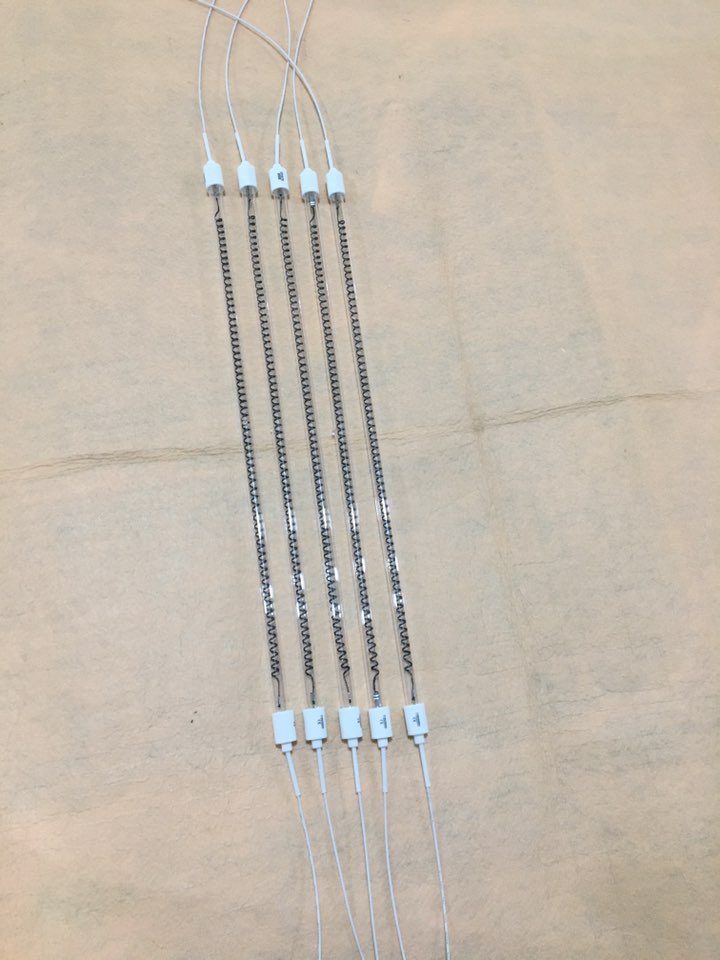
Inside, you’ve got a carbon fiber weave tucked into a high-purity quartz envelope. This keeps the filament from oxidizing and giving up the ghost. We also beefed up the seals at the ends to make sure no gas leaks in. You can plug these into your usual industrial controllers, but here is a pro tip:keep your reflectors clean. If your reflectors are dusty, the heat bounces right back into the quartz. It kills your efficiency and, eventually, it’ll crack the tube. It’s a simple fix that saves a lot of money.
Putting them to work
These are basically drop-in replacements. Whether you’re doing PET blowing, curing paint, or welding plastics, they just work. Plus, since it’s carbon fiber, you don’t have to deal with those annoying “hot spots” that metal coils always seem to have. One thing to keep in mind: 1500W is a lot of power, and these tubes get hot. Make sure your housing and cooling fans are actually up to the task. If the air can’t move, the quartz can snap from thermal shock. Also, double-check your mounting brackets. If they’re loose, the vibrations during startup can snap the filament. Tighten them down and you’re good to go.