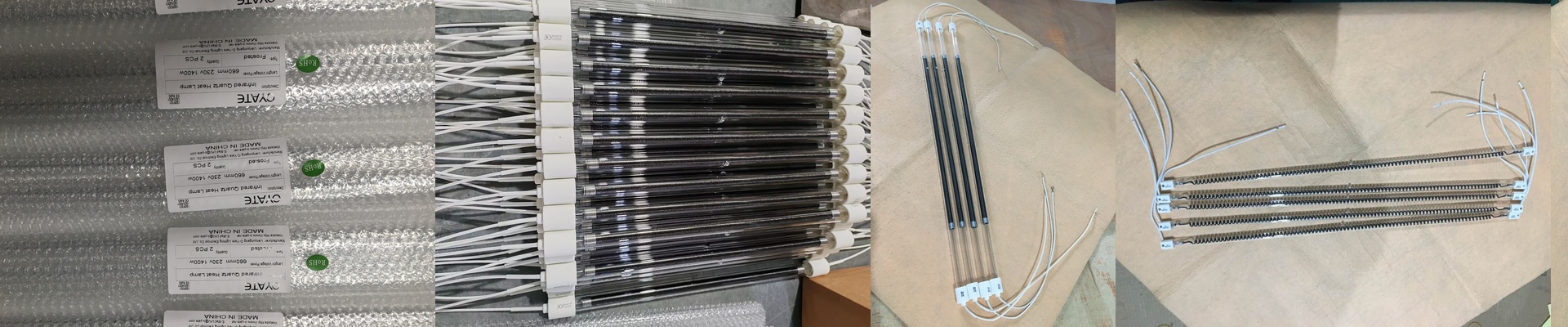
Let’s Talk About Far Infrared Carbon Fiber Lamps
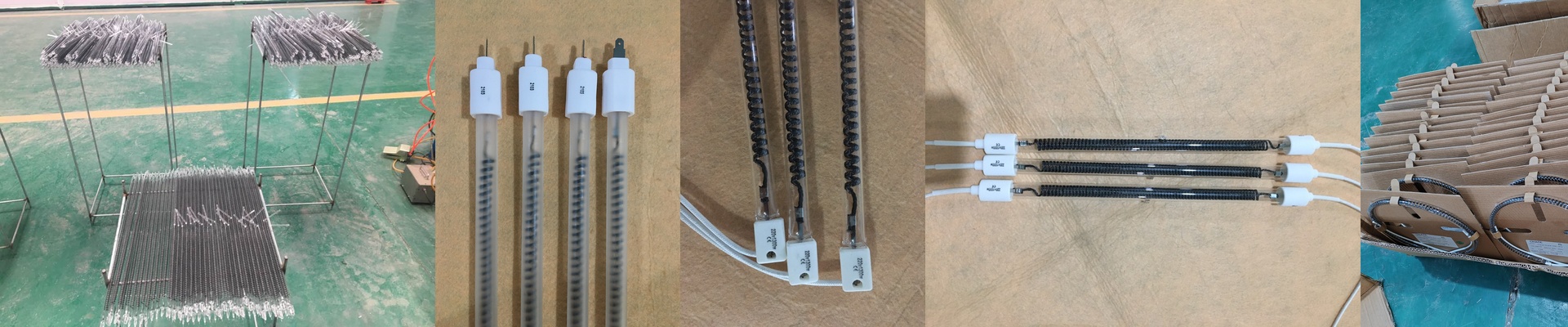
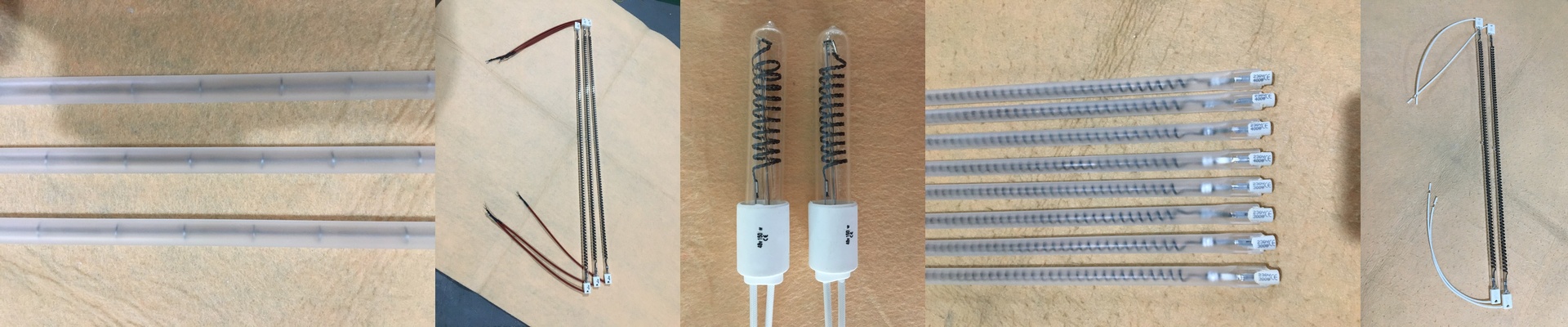
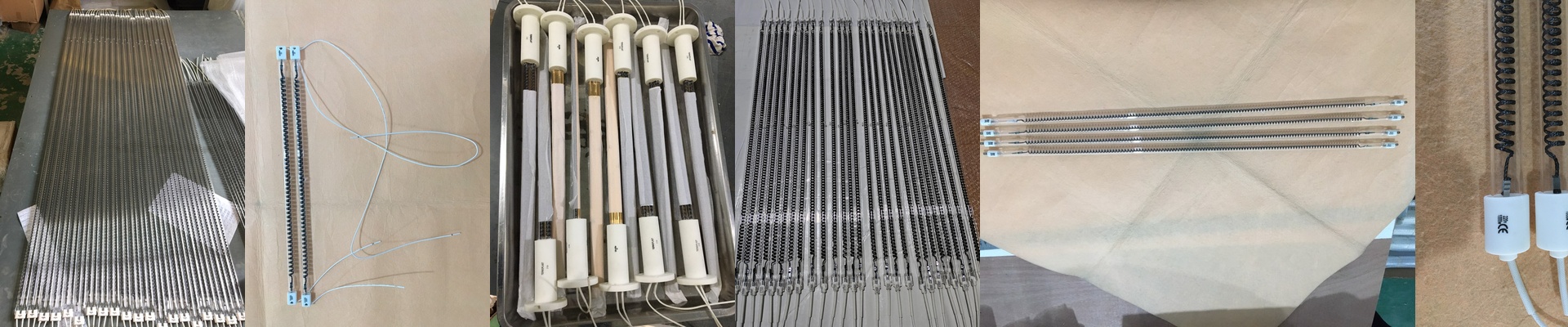
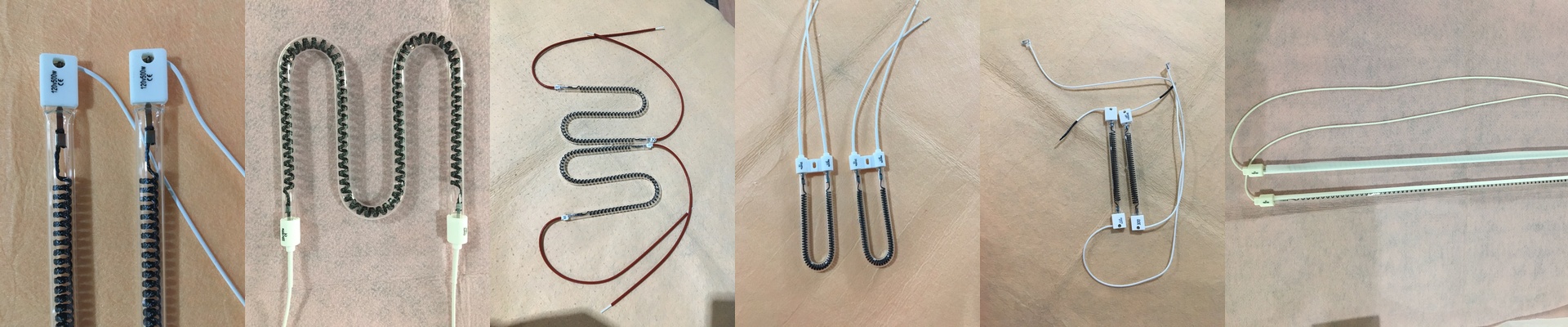
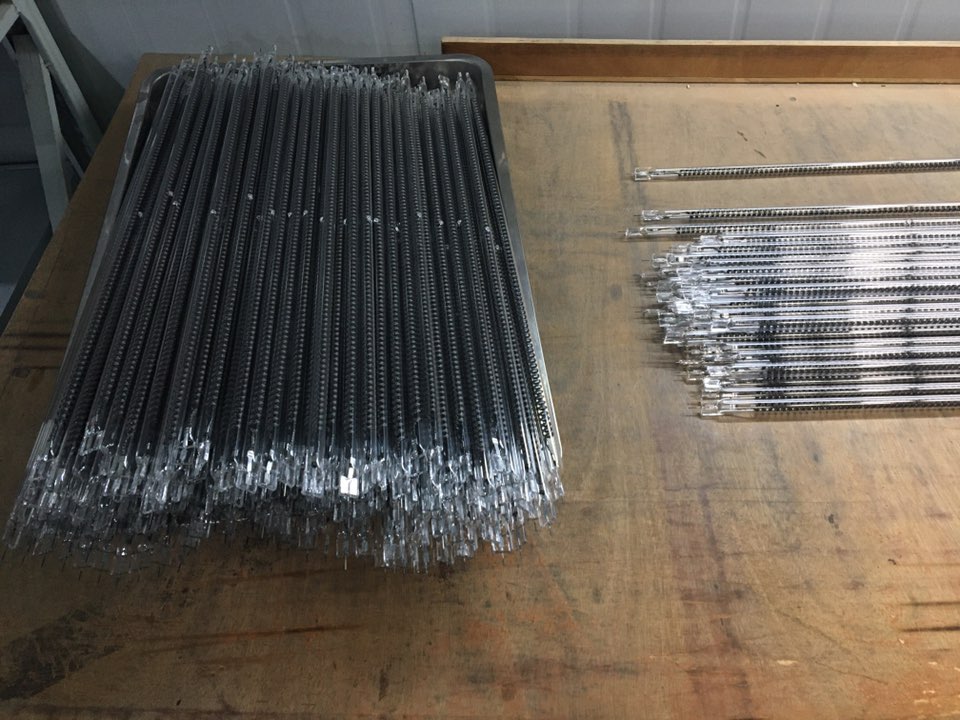
Here is the deal with how we build these: we take a carbon fiber heating element and tuck it inside a quartz sleeve. If you’ve used metal alloy coils before, you know they have their limits. They sag. They burn out too early when things get hot. Carbon fiber is just different. It lets us play around with wattage and length way more freely without worrying about the element giving up on you. The Power Side of Things Depending on the voltage and wattage you pick, the heat output changes. If you need things to ramp up fast, go for higher wattage—it packs more energy into a smaller space. But a word of caution: when you’re pushing these lamps hard, that quartz sleeve gets hot, and it gets hot fast. Make sure your power supply is rock solid. A random voltage spike can snap a carbon filament in a heartbeat. It’s a fragile moment in a powerful tool. Why This Actually Works We stick with far-infrared because it doesn’t just sit on the surface; it actually sinks deep into the material. The quartz tube is there for one big reason: it keeps oxygen away from the carbon fiber. If that seal leaks? The element is toast in seconds. To make your life easier, we offer a bunch of different end-caps and connectors. We want these to just slide right into your current setup without a headache. The Real-World Stuff These lamps put out some serious heat. It’s great for speeding up your PET blowing or drying lines, but it’s tough on your reflectors. Check your reflectors. If they’re dirty or pitted, you’re basically throwing heat away instead of pushing it toward your workpiece. One last thing: keep an eye on the “heat soak.” If your airflow isn’t dialed in, high-density lamps can actually bake your lamp holders. Double-check your wiring gauges to make sure they can handle the constant current, and give those mounting brackets a little breathing room. Quartz expands when it heats up, and it needs space to move.