A Real-World Look at Carbon Fiber Infrared Lamps
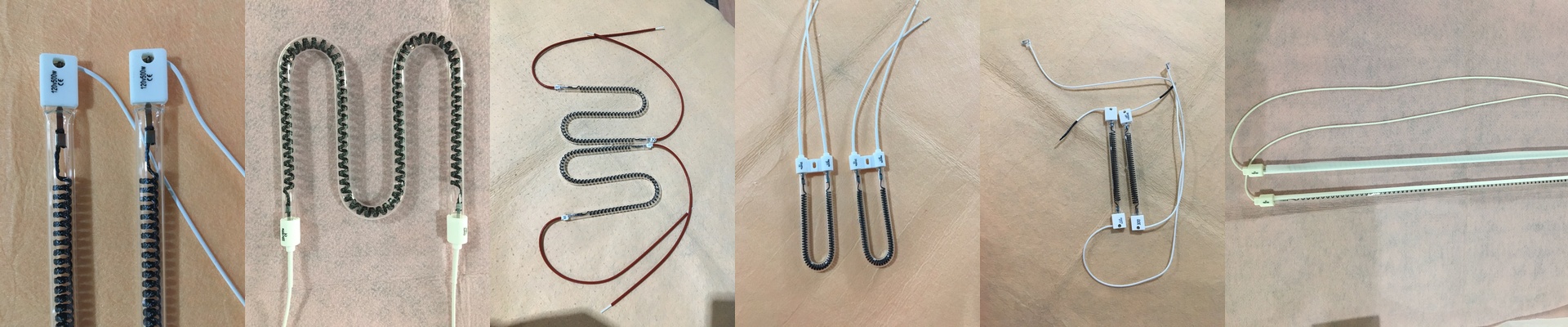
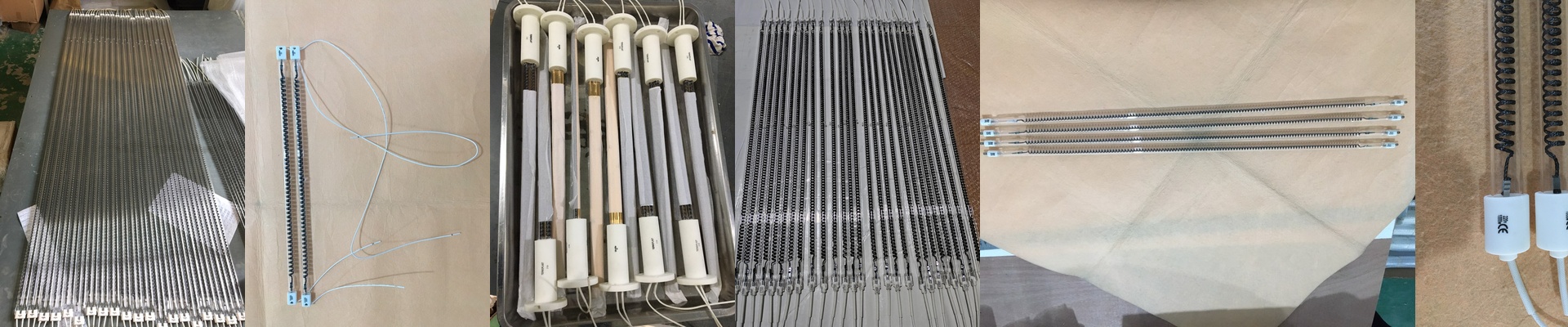
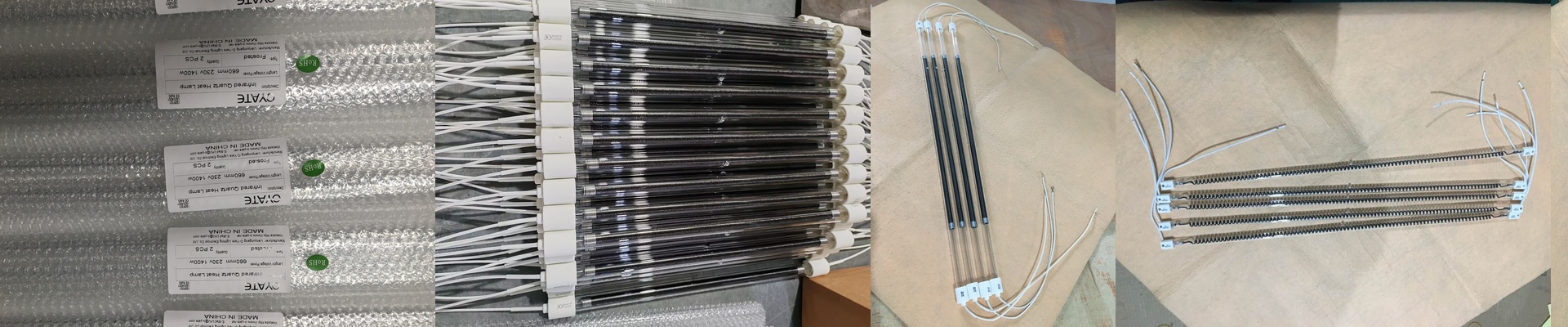
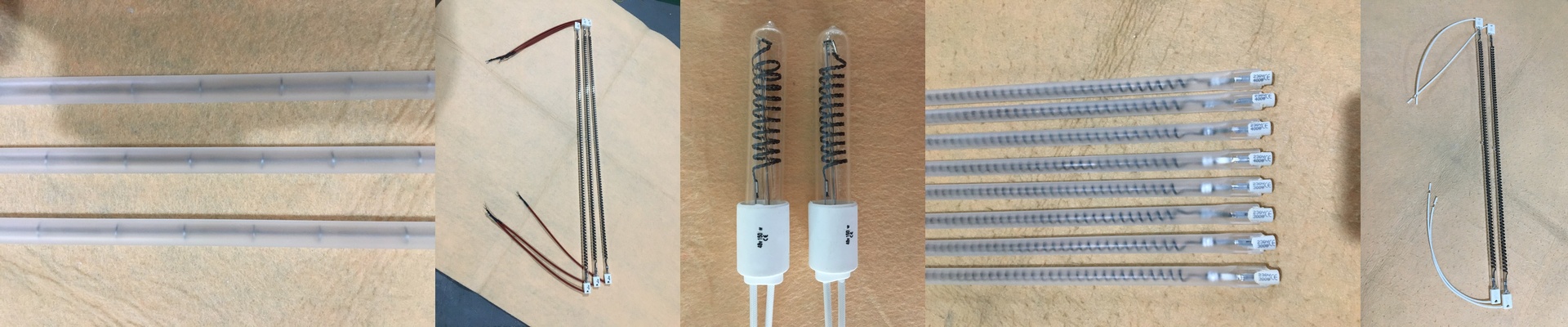
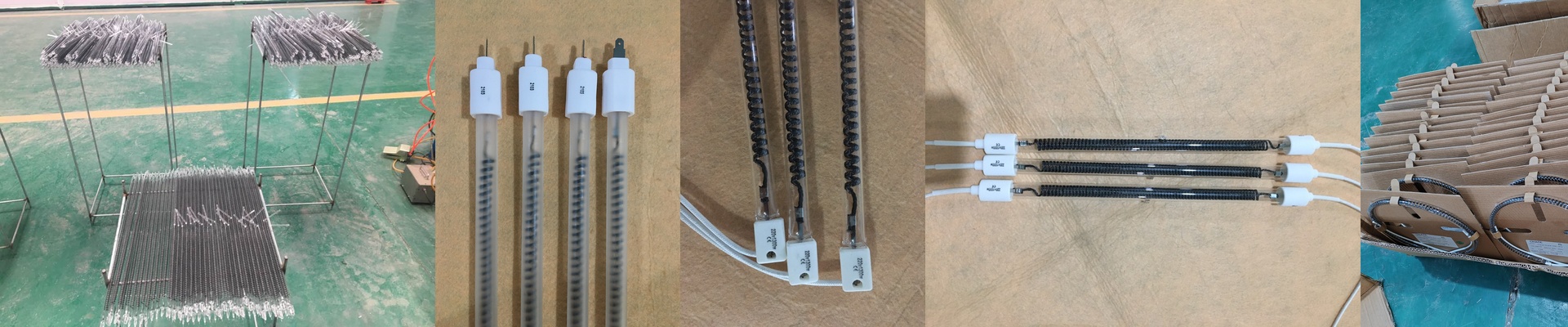
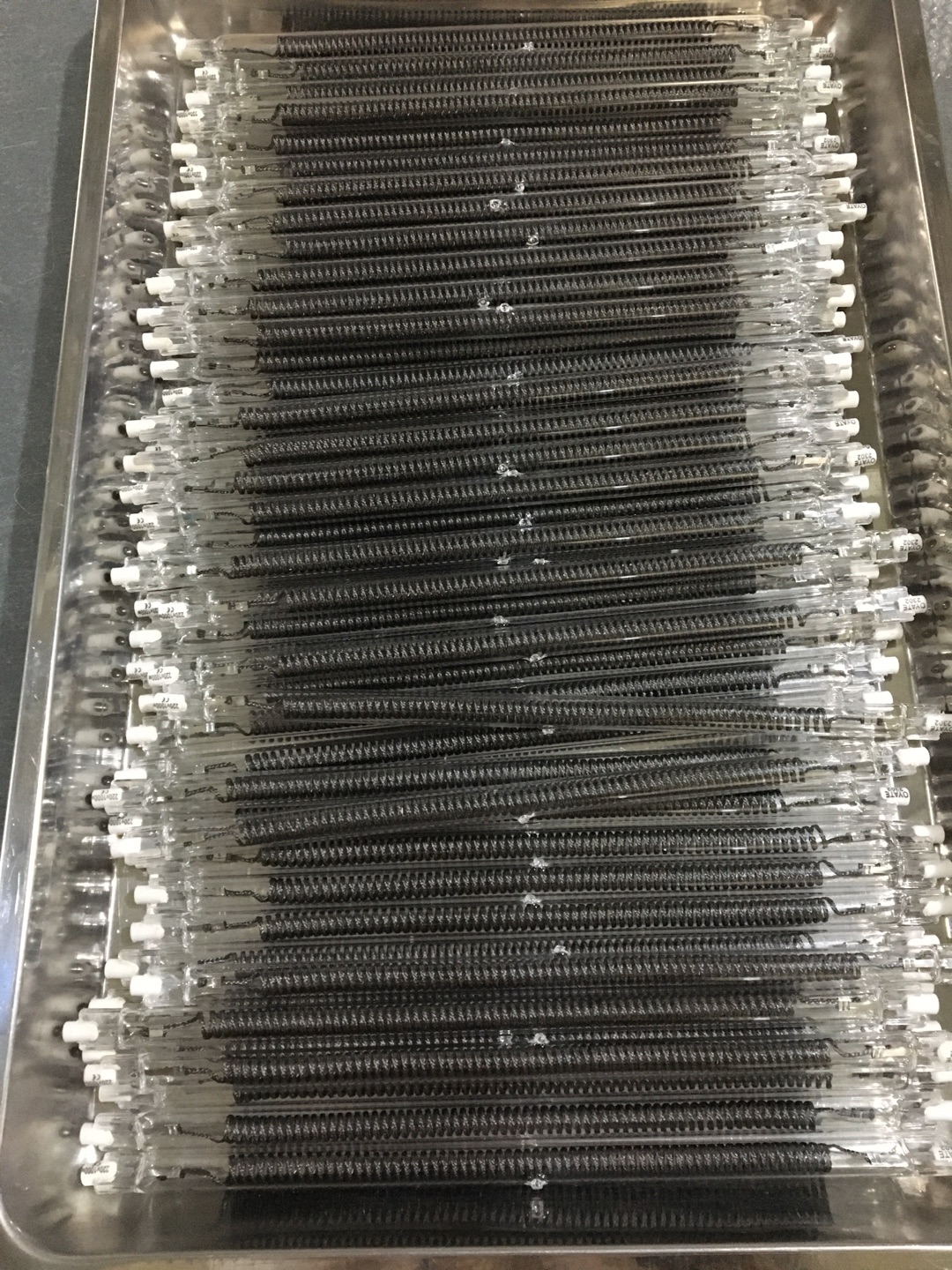
If you’re used to standard quartz or halogen tubes, carbon fiber heaters are a different beast entirely. We basically take a carbon fiber filament and tuck it inside a quartz envelope. The result? It hits operating temperature almost instantly. It also shifts the heat into that medium-to-long wave spectrum, which is exactly what you want when you’re working with materials that need that specific kind of soak. Let’s talk about the heat. The power density comes down to how thick the filament is and how long the tube runs. But the real win here is the ramp-up time. You don’t have to sit around waiting for a long warm-up cycle like you do with those old ceramic heaters. It’s fast. Really fast. You get a concentrated punch of heat that hits your target the moment you flip the switch. The build quality (and where things go wrong) One thing I love about the carbon fiber core is how it handles thermal expansion. Metal coils tend to struggle, but these are tougher. They can handle being turned on and off all day without burning out. But here’s the catch: the seals. We use specialized electrodes to keep gas from leaking into the tube. If that seal pops, the filament oxidizes and the whole lamp just snaps. And a pro tip?**Don’t over-tighten your mounting clips.**If you squeeze that quartz tube too hard, you’re creating stress points. One little vibration or temperature spike, and crack—there goes your lamp. Putting them to work You’ll see these everywhere—PET blowing, drying lines, curing ovens. They’re great because you can usually just swap them into an old system to speed things up. Just be careful with your electricals. Since these put out so much heat in such a small space, they pull a lot of current. Double-check your wiring gauge and your contactor ratings before you power up. Also, keep an eye on your airflow. If your cooling fans aren’t up to the task, the ambient heat around the housing can get intense. If you aren’t careful, you might find your surrounding plastic components starting to melt. Not a great look.