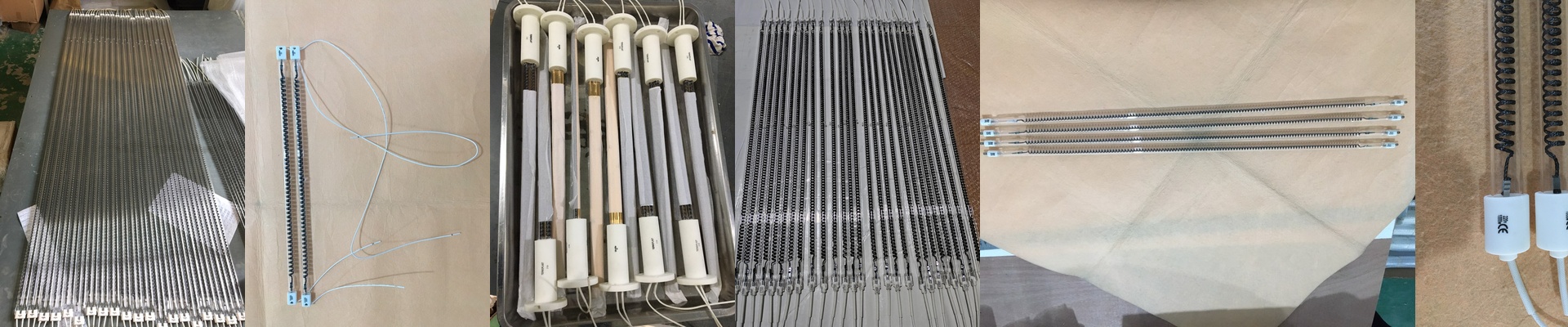
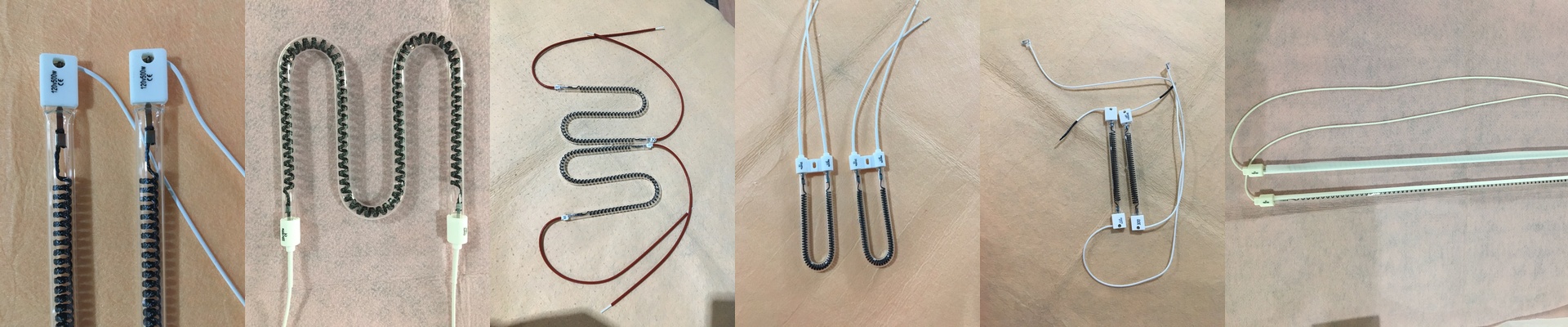
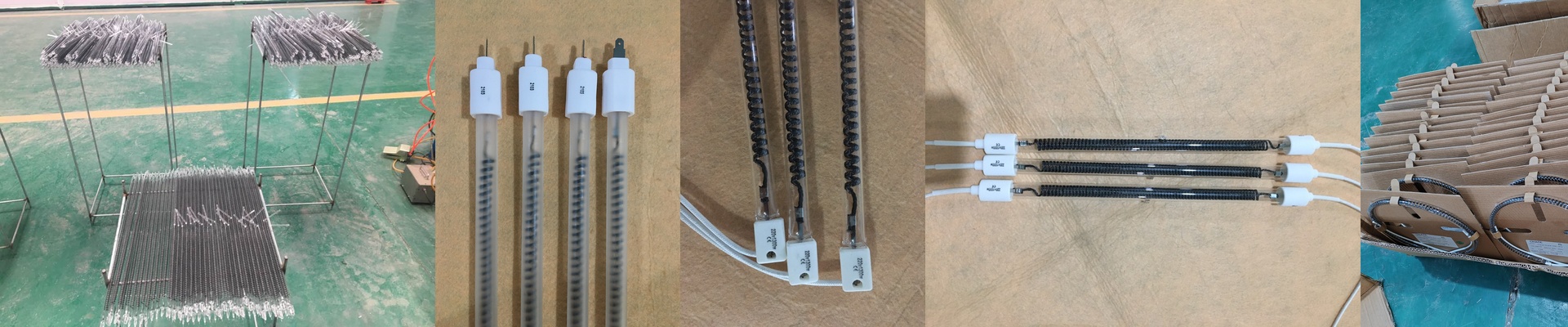
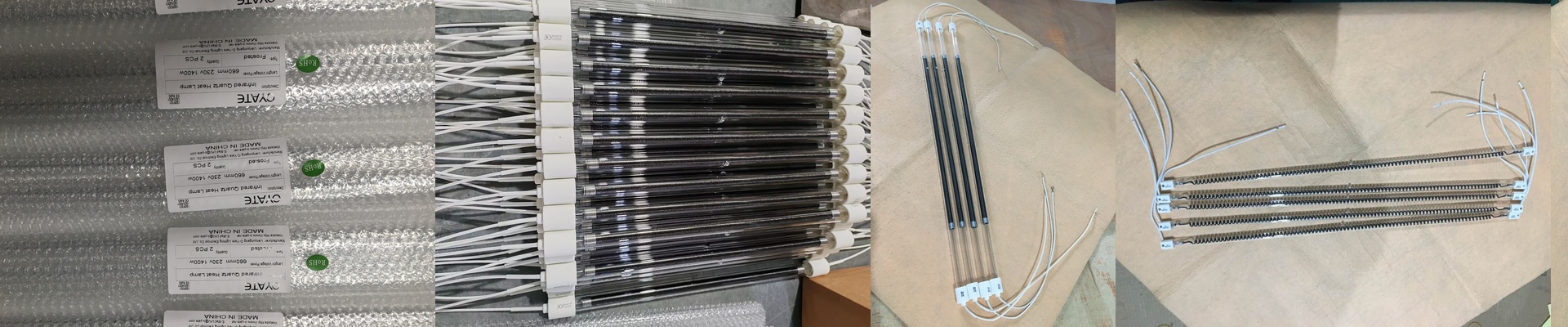
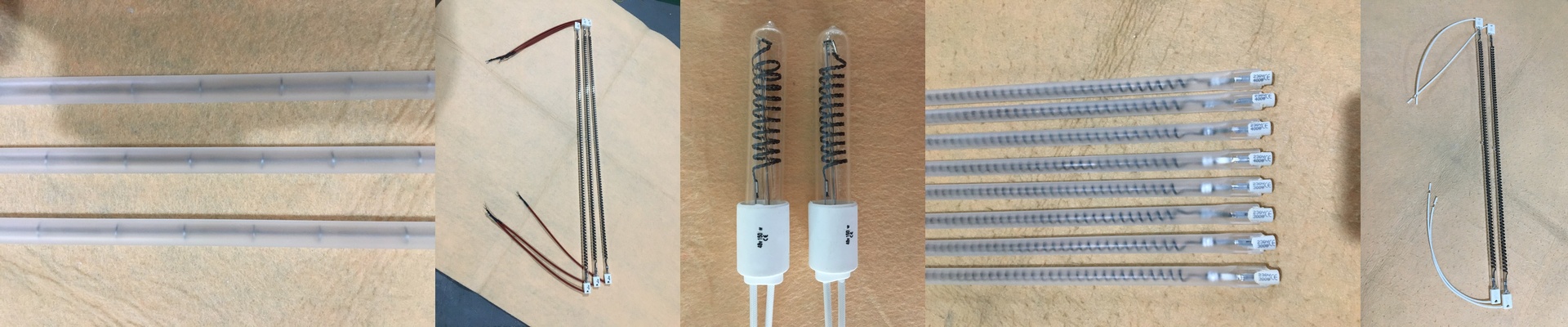
Let’s talk about Carbon Fiber Infrared Heating
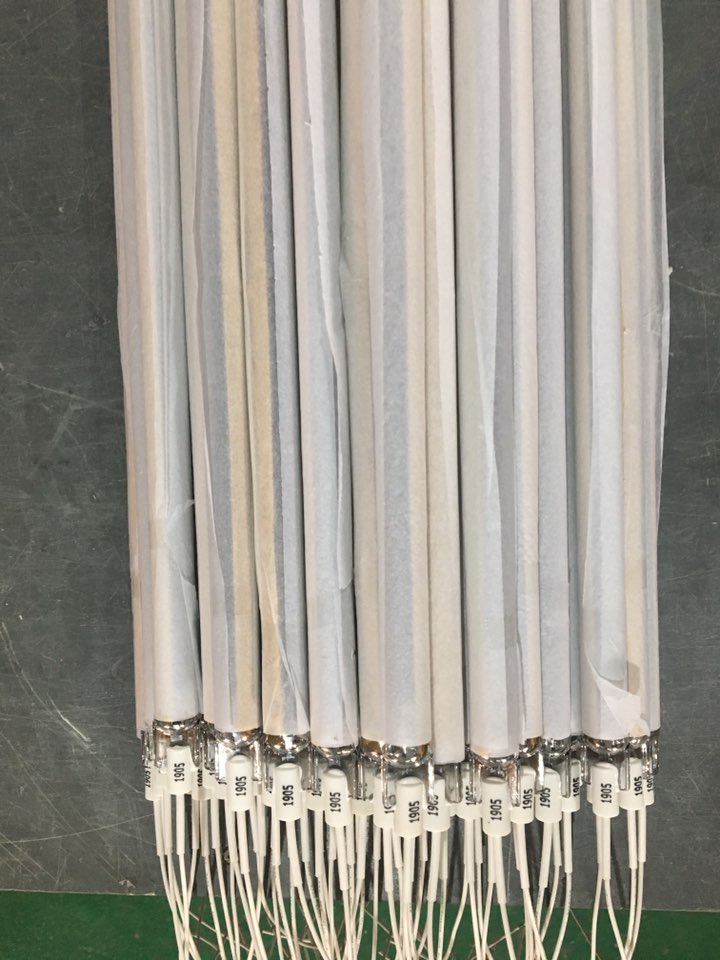
Ever wonder why some heaters take forever to warm up while others hit peak temp almost instantly? It usually comes down to what’s inside the tube. We use a carbon filament tucked inside quartz glass to push out short-wave infrared radiation. Since we’re using carbon instead of old-school metal coils, the power flows better and the ramp-up is incredibly fast. If you need to get a surface hot in a matter of seconds, this is how you do it. Getting the power right Here’s the thing: you have to balance your wattage, voltage, and the length of the tube to get the right “heat flux.” If you run a high-wattage lamp at 230V or 400V, you’ll hit your target temperatures way faster without needing a massive, clunky power supply. But be careful. You’ve got to match that power to the actual size of the part you’re heating. If you go overboard with a tiny part, you’ll end up scorching your material or snapping the filament. The nitty-gritty on design We stick with quartz glass for the outer shell because it lets those infrared waves pass right through without soaking up the heat. Some of our lamps even have a special coating—either to tweak how the heat is emitted or to keep dust and grime from killing the filament. As for the plugs, we generally use R7s or SK15 connectors. They just work. You can slide them right into most industrial ovens without any fuss. They fit tight, too, which is huge because the last thing you want is a loose connection sparking or arcing while your machine is vibrating. Real-world use (and the catches) You’ll see these lamps everywhere in PET bottle blowing and shrink-wrapping. The carbon filament gives you a much smoother, more even heat than those old halogen tubes. But there’s a trade-off. Because these things put out so much concentrated heat, you can’t ignore your cooling. Make sure your fans and heat sinks are up to the task. If the ends of the lamp get too hot, the seals will just give up. Oh, and one last tip: use high-temp leads for your wiring. Trust me, you don’t want to find out the hard way what happens when your insulation melts.