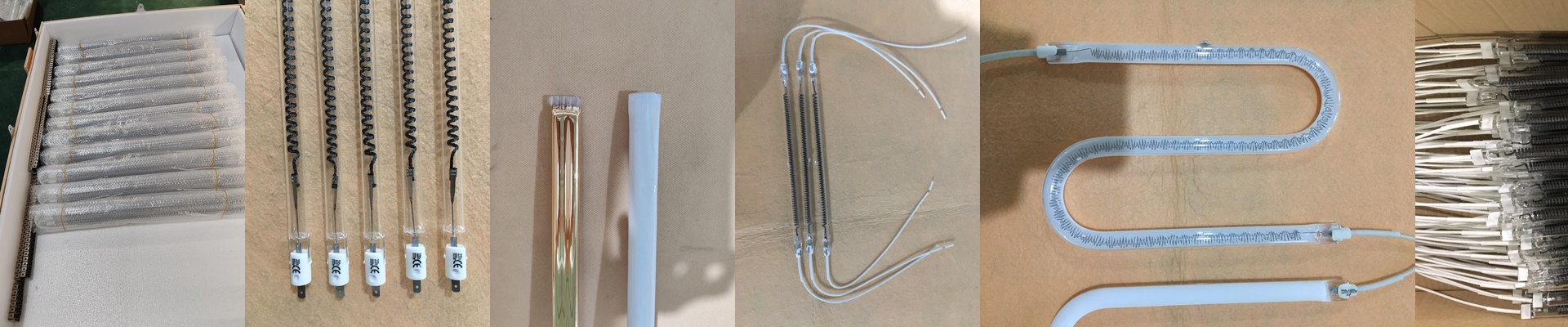
Let’s Talk About Carbon Fiber Heating Tubes
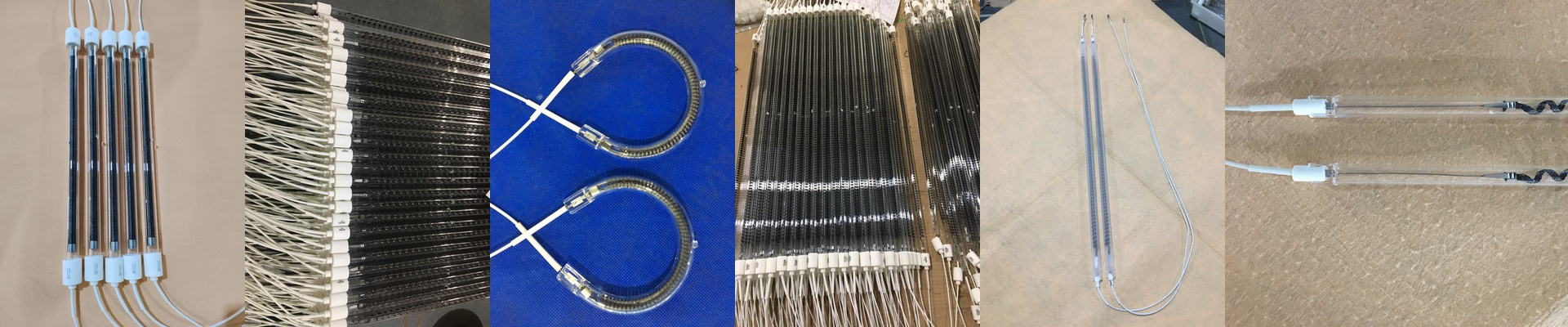
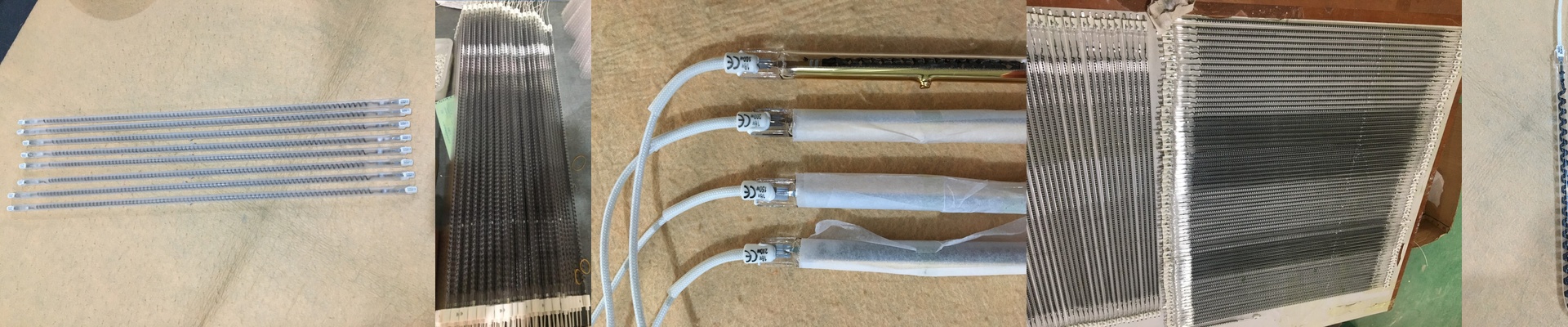
When you’re dealing with the outdoors, you can’t just throw any old heater at the problem. You need something that hits hard and hits fast. That’s why we build our infrared tubes with carbon fiber. Instead of using the old-school metal alloys, we wrap a carbon fiber filament inside a quartz envelope. It focuses the energy into short-wave radiation. In plain English? It’s a lot more efficient.
Getting the Power Right
Here is how it actually works: electricity runs through a conductive carbon weave, creating that bright, high-temperature glow. The best part is that it warms up people and objects directly. It doesn’t waste time trying to heat the air around them—which, if you’ve ever tried to heat a patio in December, you know is a losing battle. But you have to be careful with your specs. Your wattage and voltage need to match your power grid perfectly. If they don’t, you’re looking at a premature burnout. And a quick tip: more wattage means more heat, but it also puts a lot of stress on the quartz glass. Make sure your housing can breathe and dissipate heat at the ends of the tube. If that heat gets trapped, the glass will crack. Simple as that.
The Build
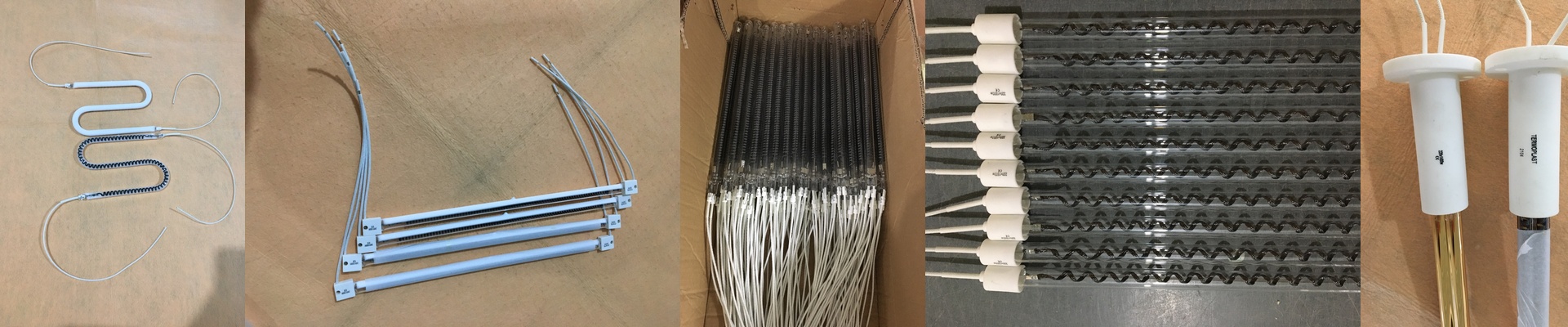
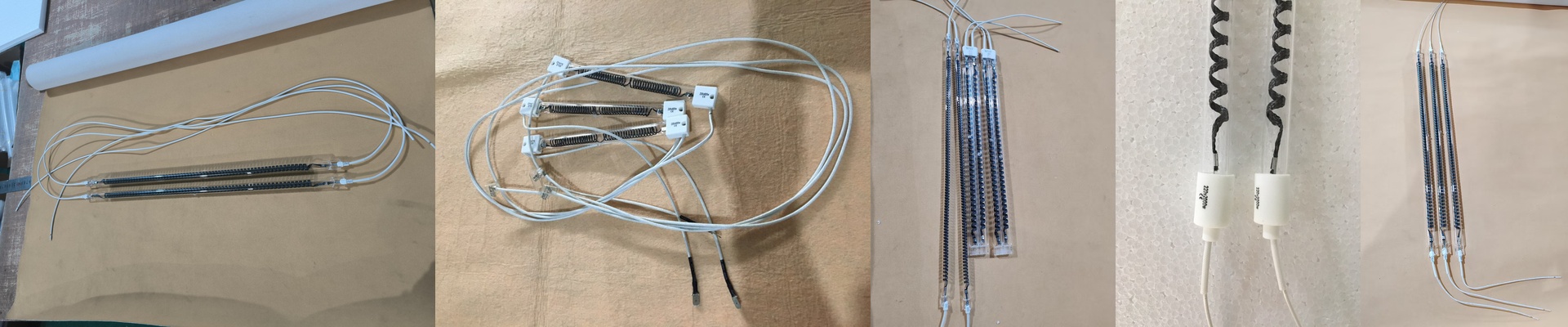
The quartz glass is the real hero here. It keeps the carbon filament safe from oxidation while letting the heat waves slide right through. We’re also obsessive about the seals at the ends. We use specific sealants to keep moisture out because—and I can’t stress this enough—if a drop of water hits that filament, the whole tube is toast. To make your life easier, we use standard plug-and-play connectors. If a tube goes, you can swap it out in the field without needing a degree in engineering.
The Trade-offs
The speed is incredible. You flip the switch, and you feel the heat almost instantly. But there’s a catch. Because the heat density is so high, the surface of the tube gets hot enough to ignite debris.Do not skip the safety guard. Also, keep an eye on your spacing. If you run these at max voltage in a tight, cramped box, the ambient heat builds up and eats away at the filament’s lifespan. Give it some room to breathe, and your system will stay stable for a lot longer.