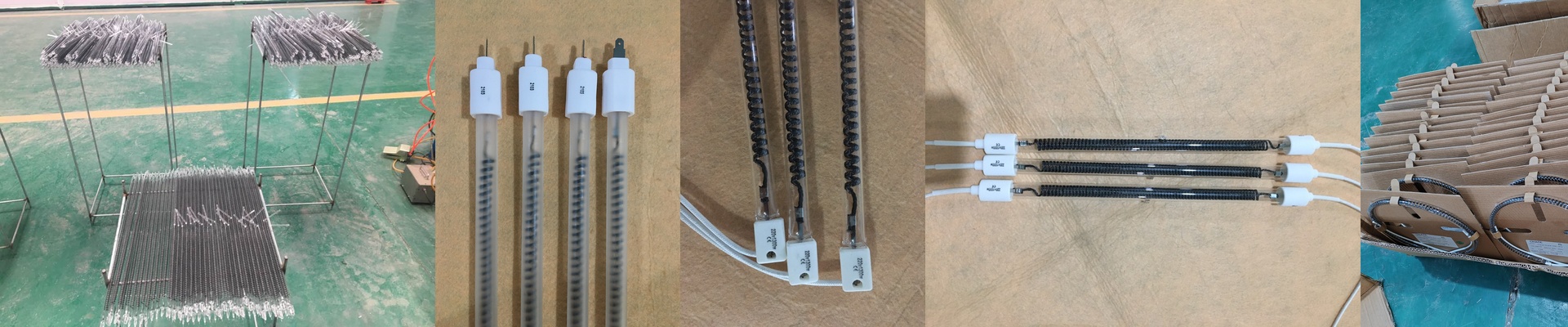
Let’s Talk About 220V Carbon Fiber Heating Lamps
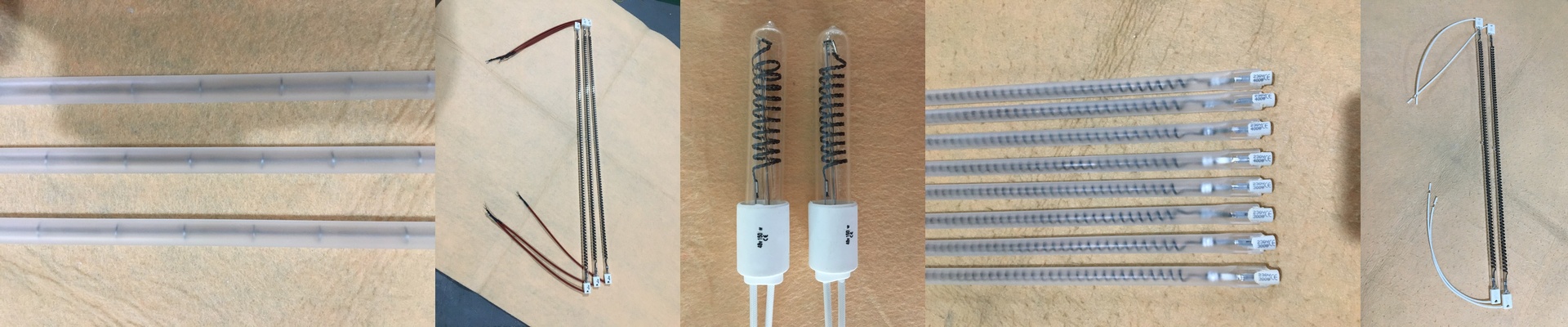
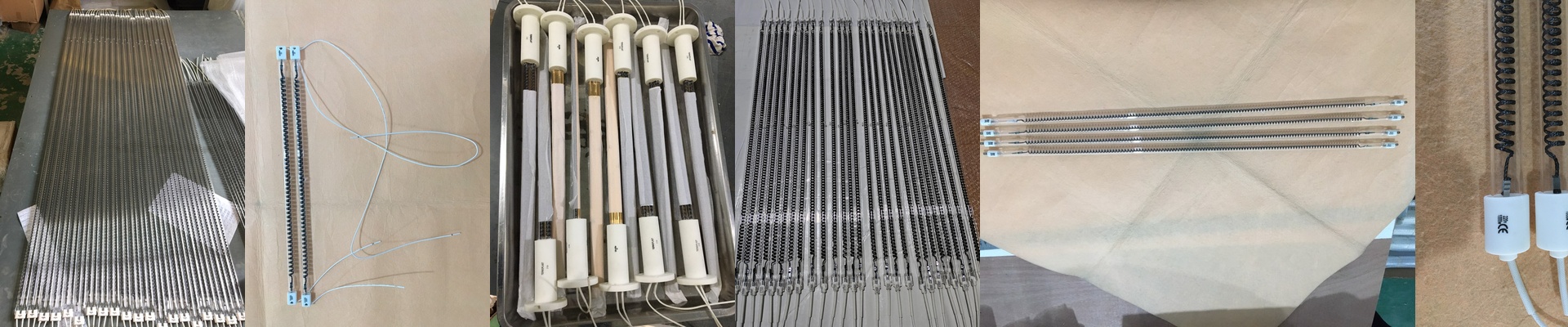
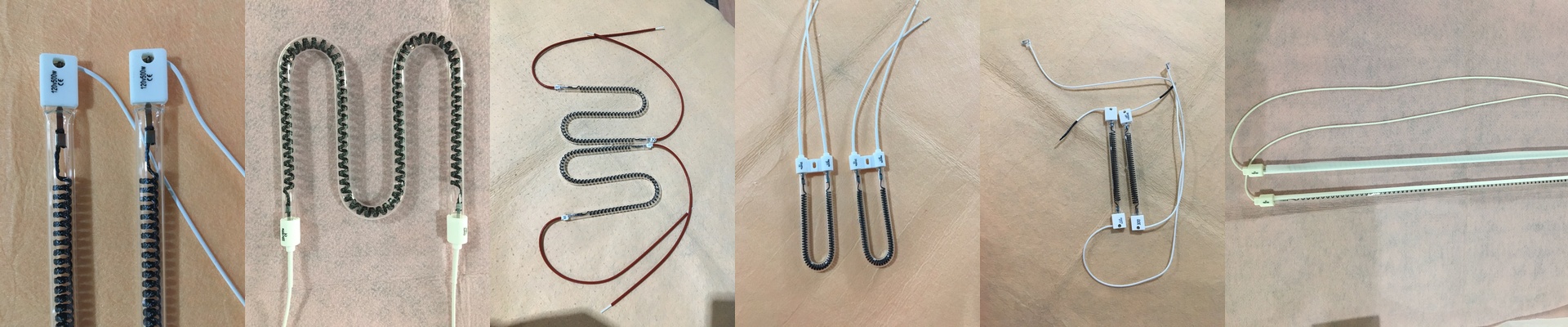
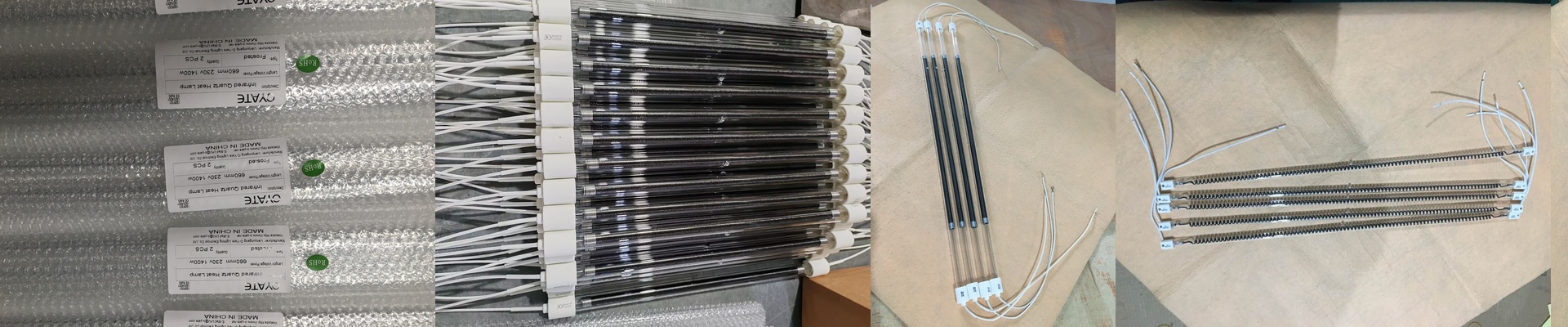
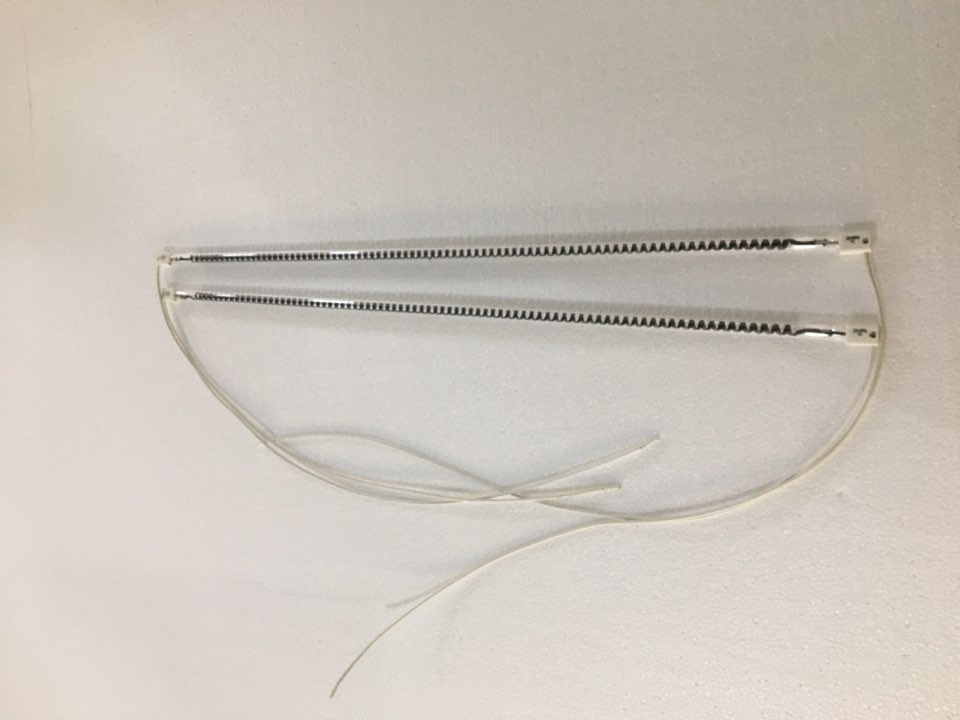
If you’ve ever dealt with old-school tungsten filaments, you know the drill. They’re fragile. One wrong move or a bit too much stress, and they snap. That’s exactly why we went with carbon fiber for these 220V lamps. We wanted something that hits the temperature fast but doesn’t feel like it’s going to break if you look at it wrong. The technical side of things Since these run on 220V, you can plug them straight into most industrial grids. No need to mess around with bulky, expensive transformers. Here’s the cool part: the carbon fiber core can handle a lot more current than a standard metal wire. This means the lamps heat up almost instantly. Plus, carbon fiber doesn’t stretch or sag when it gets hot and cools down over and over. It just stays put. Why it’s built this way We wrap the element in a quartz tube to keep oxygen from eating away at the carbon. We spent a lot of time picking the right glass so the infrared heat actually gets out of the tube and onto your product, rather than getting trapped inside. And unlike those halogen lamps that need a complex gas cycle to keep from burning out, carbon fiber is just naturally stable. You can flick these on and off all day long without worrying about them popping. Putting them to work You’ll mostly see these in drying tunnels, PET bottle preheating, or paint curing lines. If you’re still using old resistive heaters, these are a great swap. They take up less space and move heat way faster. A quick heads-up Look, the carbon fiber is tough, but the quartz tube is still glass. If your machinery shakes a lot, or if your team is handling the tubes with bare hands, you’re going to have problems. Skin oils and mechanical shocks are the fastest ways to kill these lamps. Just make sure your mounting brackets are tight so nothing is rattling around, and keep the fingerprints off the glass. Your equipment will thank you.