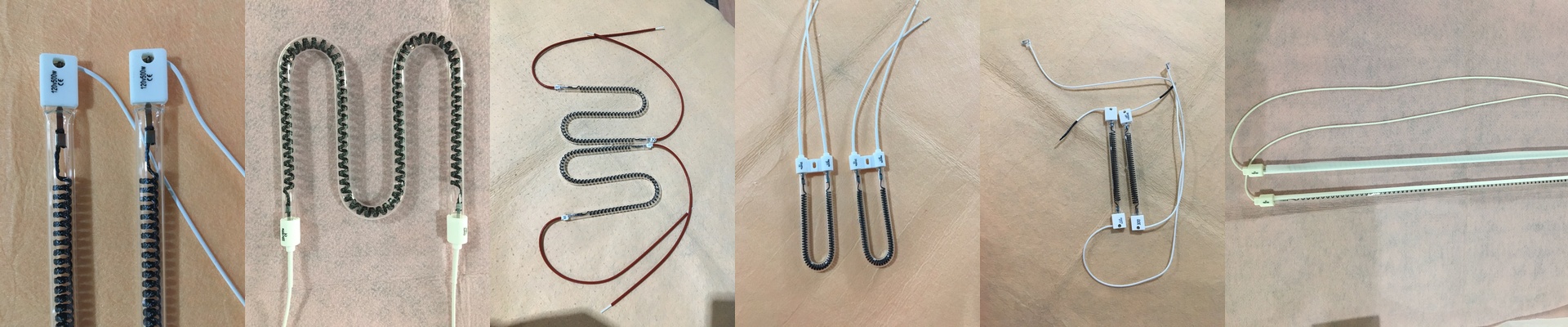
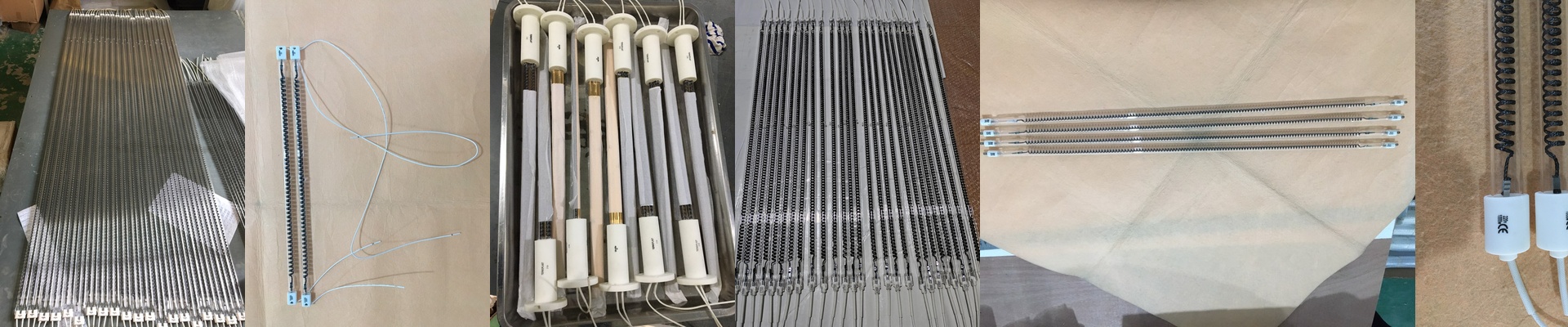
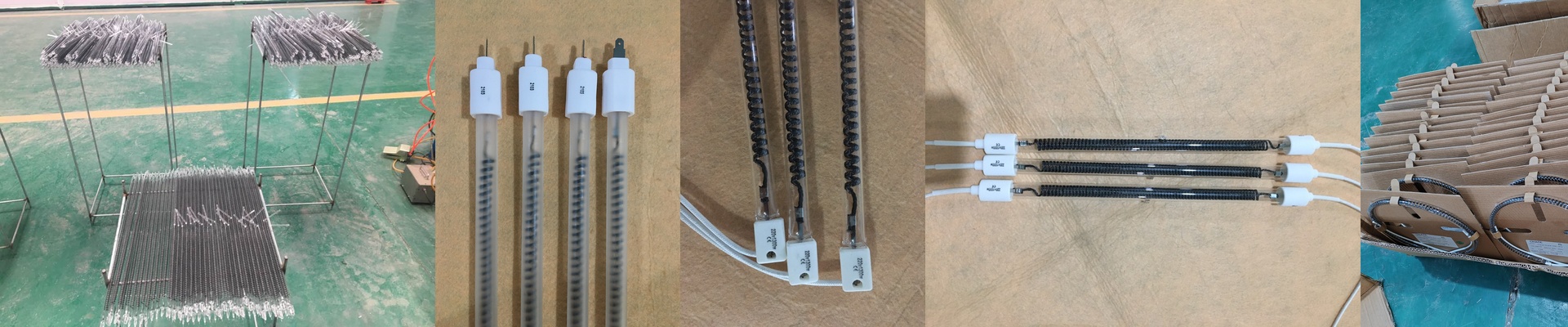
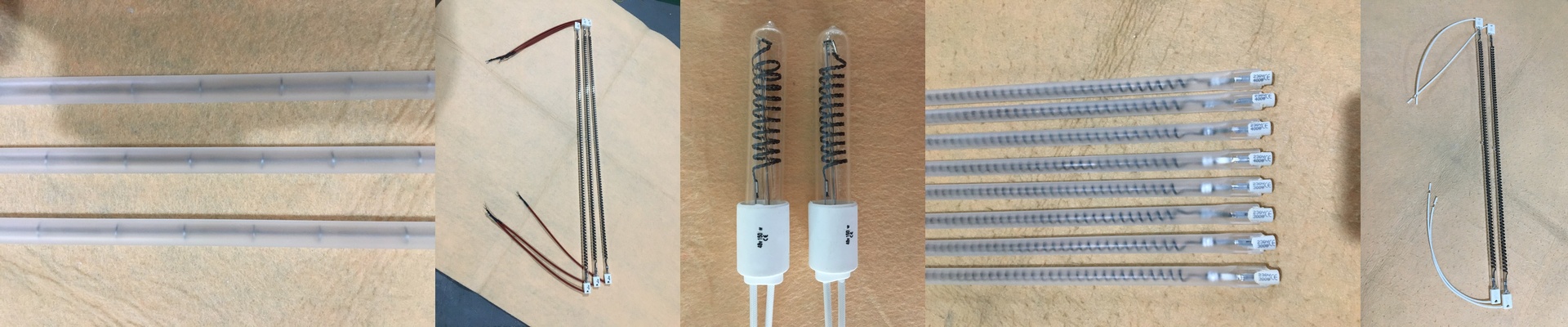
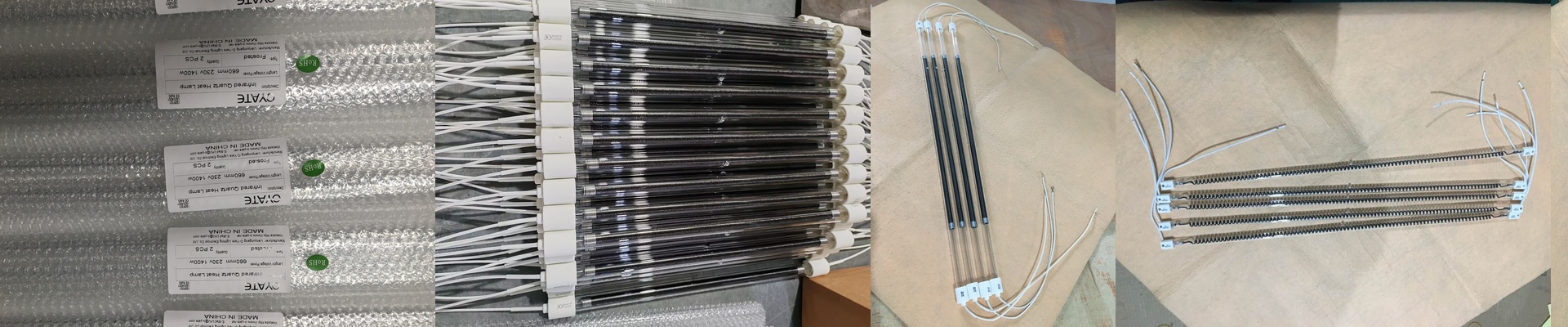
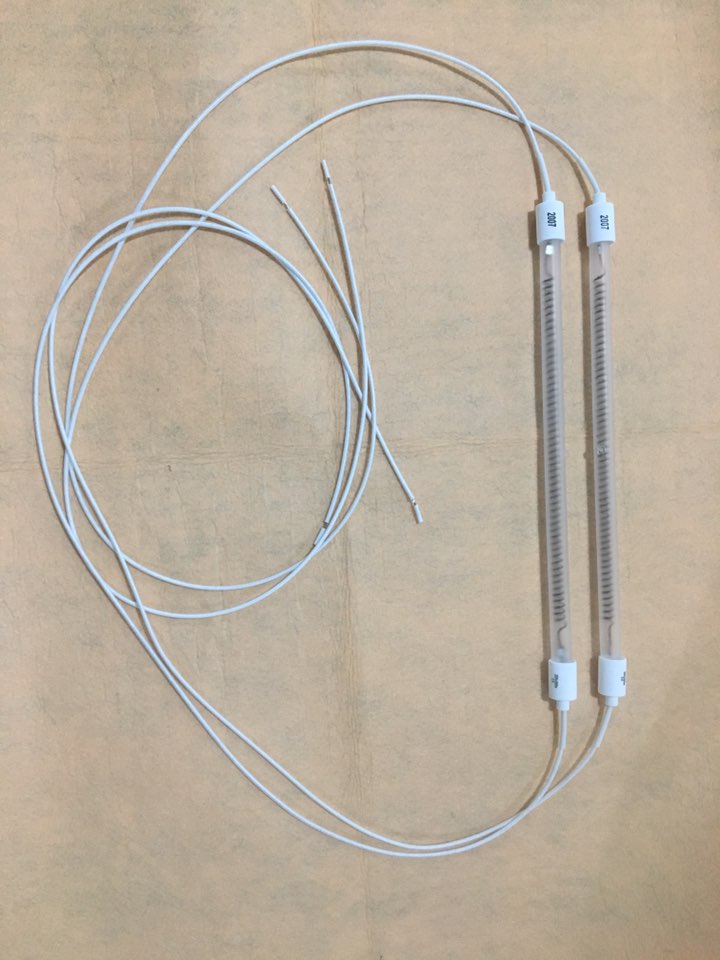
Let’s talk about our 1500W Carbon Infrared Heaters
When we set out to build these 1500W lamps, we wanted something that didn’t just “warm up,” but actually hit hard and hit fast. Most people are used to standard quartz heaters, but we went with a carbon-fiber filament instead. Why? Because carbon lets us pack a massive amount of power into a tiny space. You get that high-intensity heat without the constant fear that a thin wire is going to snap or burn out the second you push it. Speed is the name of the game. A 1500W rating means you aren’t sitting around waiting for the machine to get ready. If your process can’t afford a long warm-up, this is your best bet. The cool thing about carbon is that it doesn’t need to get as blindingly hot as tungsten to work, but it throws out a wider range of infrared energy. This means the heat actually sinks deeper into whatever you’re working on. Just a heads-up: keep your power supply steady. Voltage spikes are the one thing that’ll kill these filaments pretty quickly. The build quality We wrap the carbon element in high-purity quartz glass. It’s tough. It can handle being turned on and off rapidly without cracking from the thermal shock. Whether you use R7s or SK15 connectors, these should slide right into your existing industrial setup without a headache. We also sometimes add a special coating to the glass. This stops the heat from leaking out into the air and forces it straight into your workpiece where it actually belongs. Where this actually works (and where to be careful) You’ll mostly see these in things like PET blowing, plastic welding, or those high-speed drying lines where every second counts. They’re great for clearing bottlenecks in your production. But look, 1500W in a short tube isaggressive. If you cram these into a tight box with zero airflow, you’re asking for trouble. The heat soak will warp your reflectors and chew through the life of the lamp. Make sure your cooling fans are up to the task. And for heaven’s sake, use a precise PID controller—you don’t want to accidentally melt your substrate.