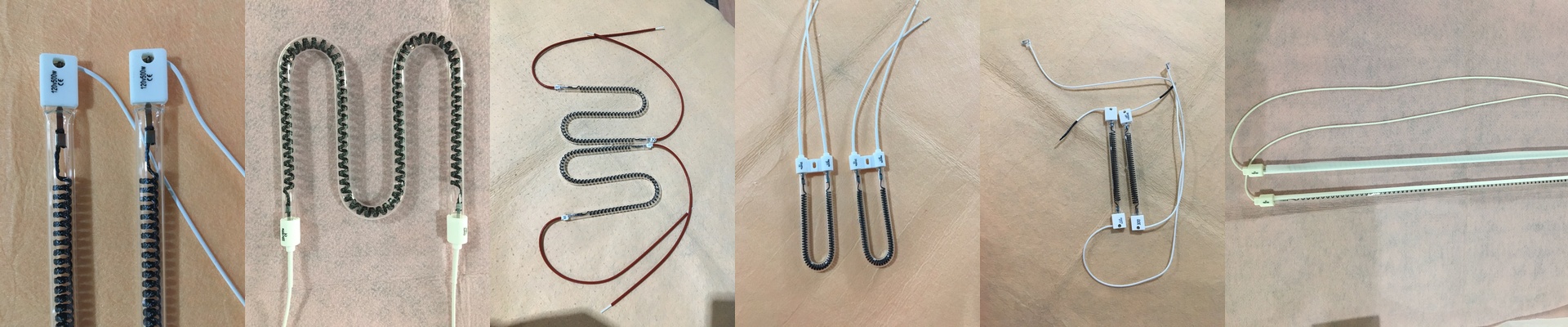
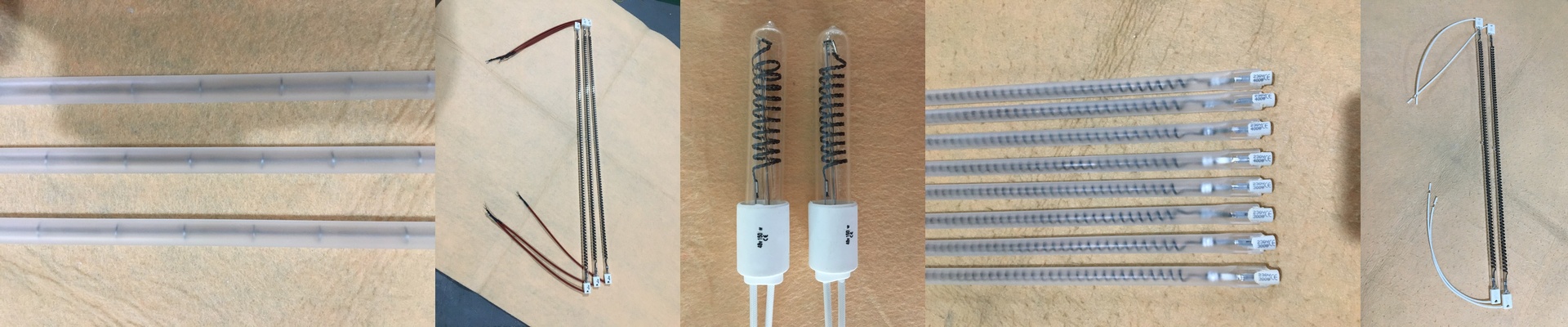
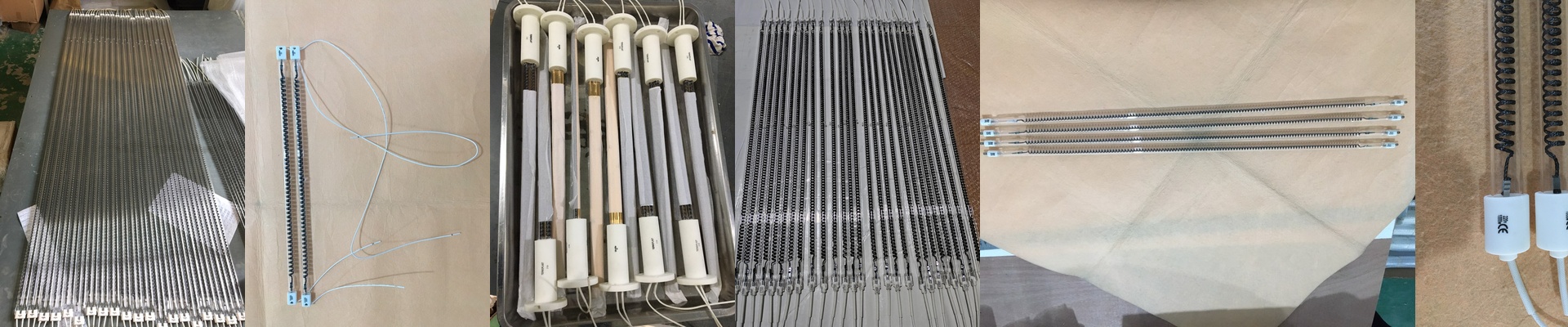
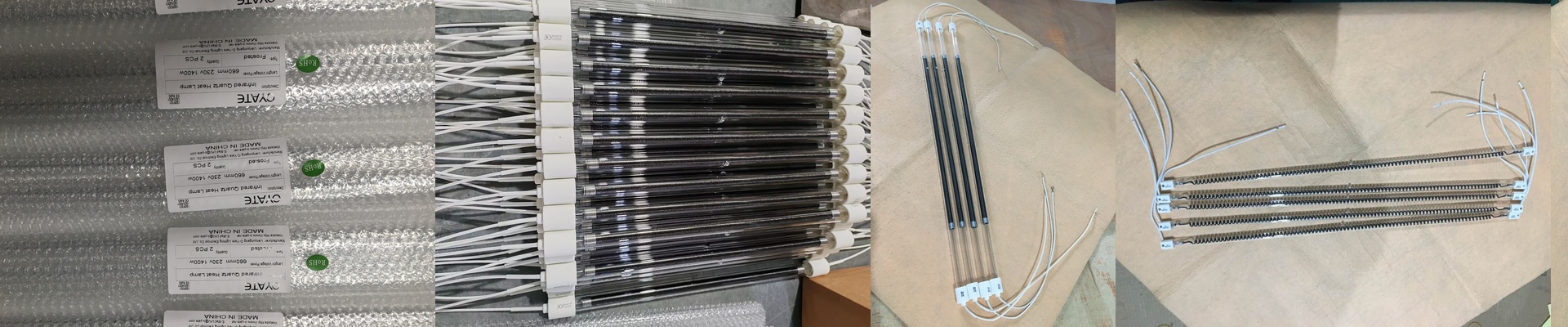
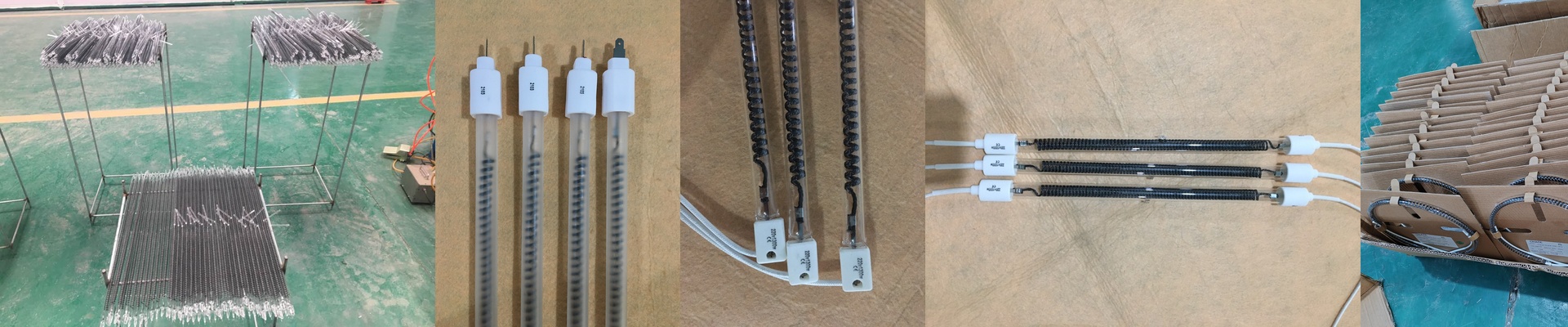
Let’s talk about Medium-Wave Ruby Ring Carbon IR Lamps
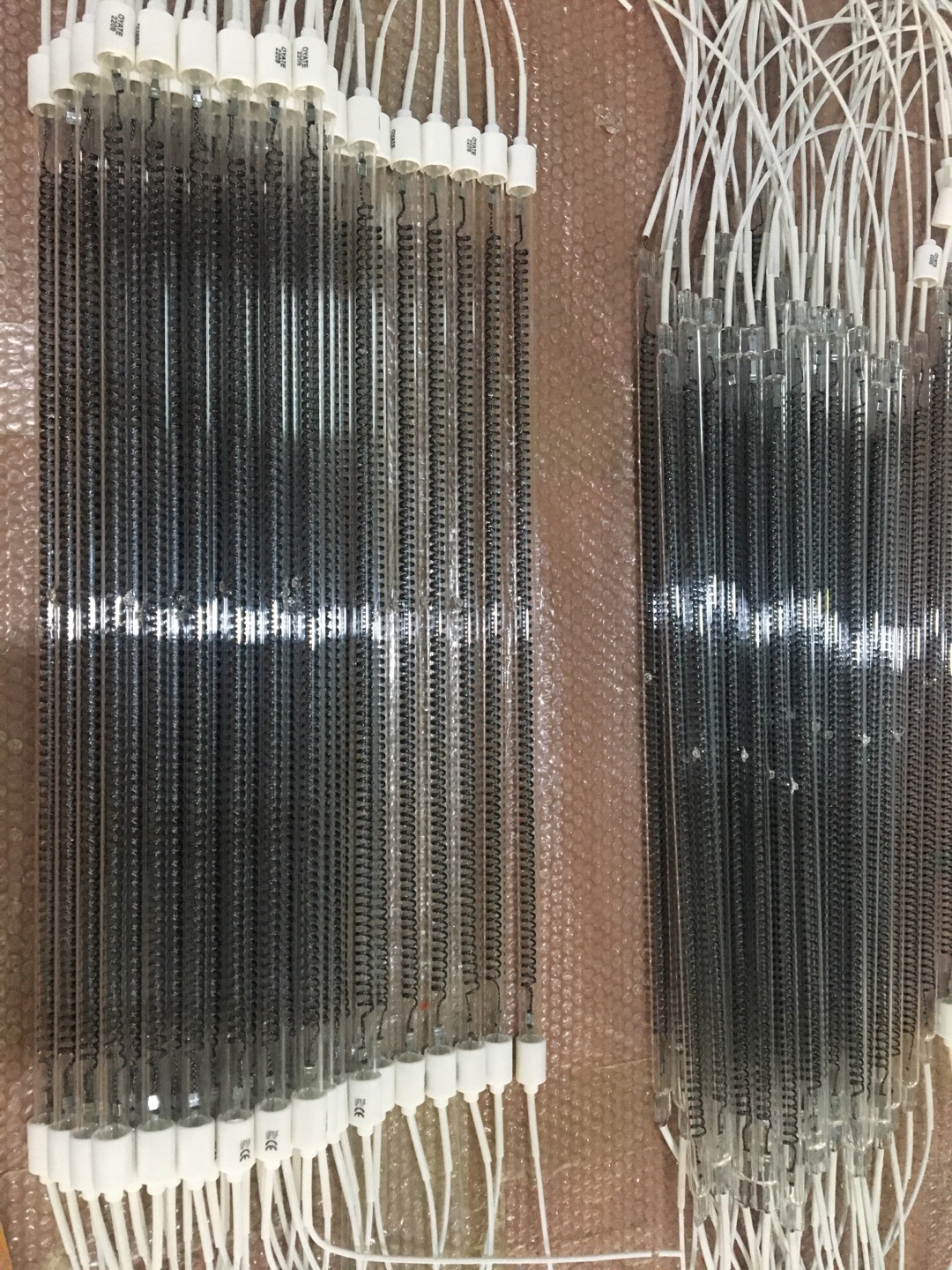
If you’ve ever dealt with standard quartz tubes, you know they have their limits. That’s why we build these medium-wave lamps with carbon heater elements. They give you a totally different kind of heat—something more controlled and steady. Now, you might be wondering about the “ruby ring” part. It sounds fancy, but it’s actually a practical fix. It’s a reinforced support system that keeps the element from sagging when things get screaming hot. It basically keeps the lamp from warping under pressure.
Getting the heat right
Here is the thing about medium-wave emitters: they’re great at soaking into organic materials. Because we use a carbon filament, the heat spreads out evenly across the whole surface. No more worrying about those annoying “hot spots” that end up burning a hole right through your material. You just get a consistent, reliable thermal footprint. A quick heads-up on the power side: we balance the wattage and voltage so the lamp lasts a long time. These carbon elements ramp up fast, but your power supply needs to be ready for that initial surge of current. Just keep an eye on your voltage. If it jumps around too much, you’re going to burn out the element way sooner than you should.
How they’re actually built
The ruby ring is the unsung hero here. It locks everything in place so the lamp holds its shape, even after you’ve turned it on and off a thousand times. To keep everything from oxidizing, we wrap the carbon element in high-purity quartz. Without that seal? The carbon would basically vanish in a few hours. The best part is that these are designed to be drop-in replacements. You can swap them into your existing IR arrays without a headache. Just make sure your PID settings are tuned for carbon, since it handles heat lag a bit differently than other materials.
Where they shine (and where they don’t)
You’ll see these doing the heavy lifting in PET blowing, paint curing, and plastic welding. They hit that sweet spot for materials that absorb heat in the 2.0 to 4.0 micron range. But let’s be real—they aren’t perfect for every job. Carbon heaters put out a massive amount of heat, but they aren’t “instant.” They’re a bit slower to react than those halogen short-wave lamps. If your process needs millisecond precision, carbon might feel a bit sluggish. But for bulk heating and curing? It’s exactly the tool you want.