Getting Your PCB Heating Just Right
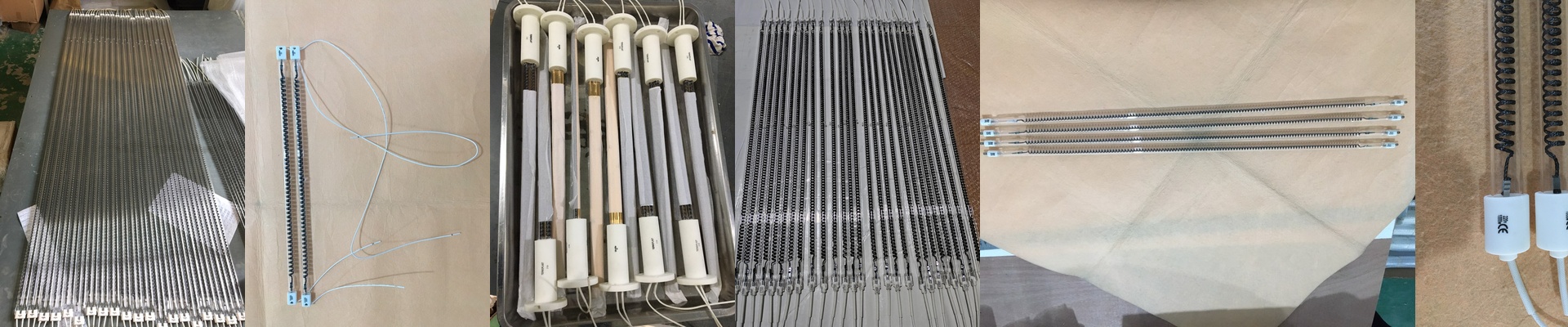
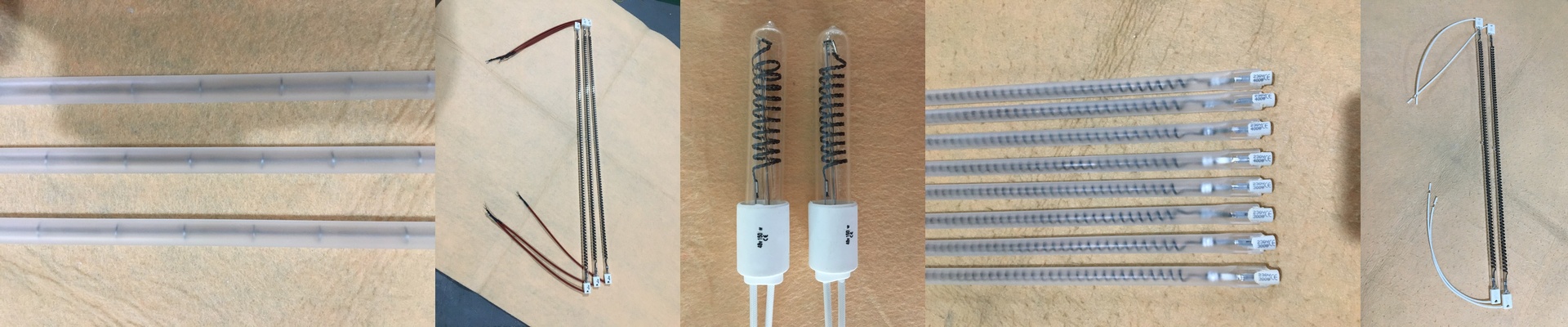
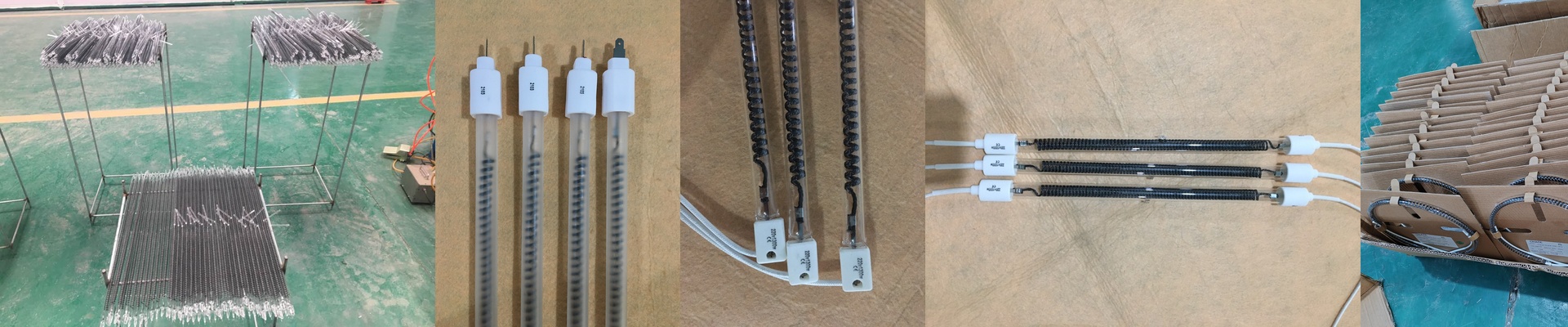
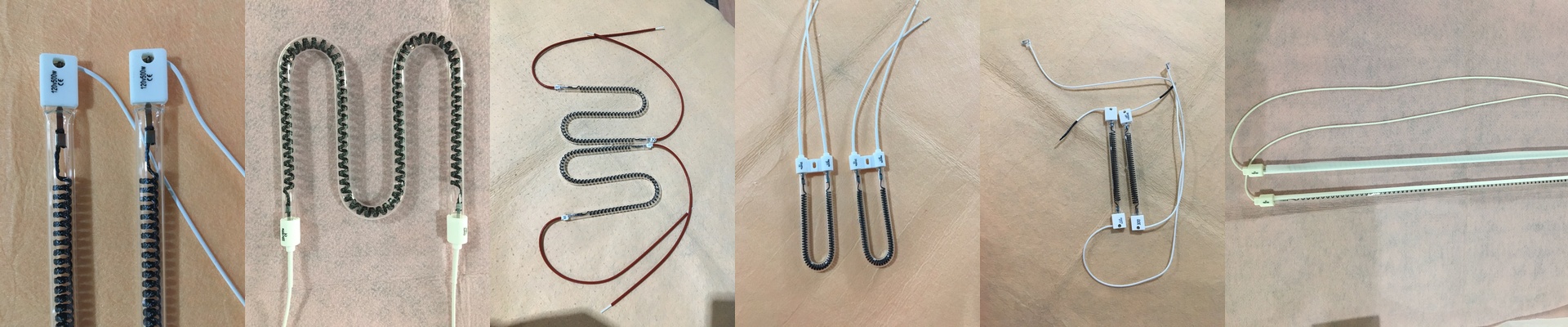
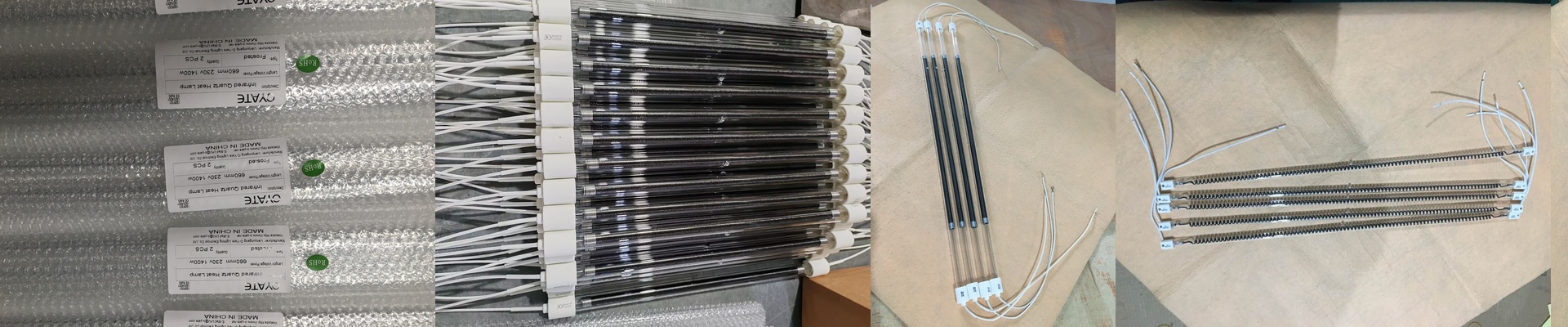
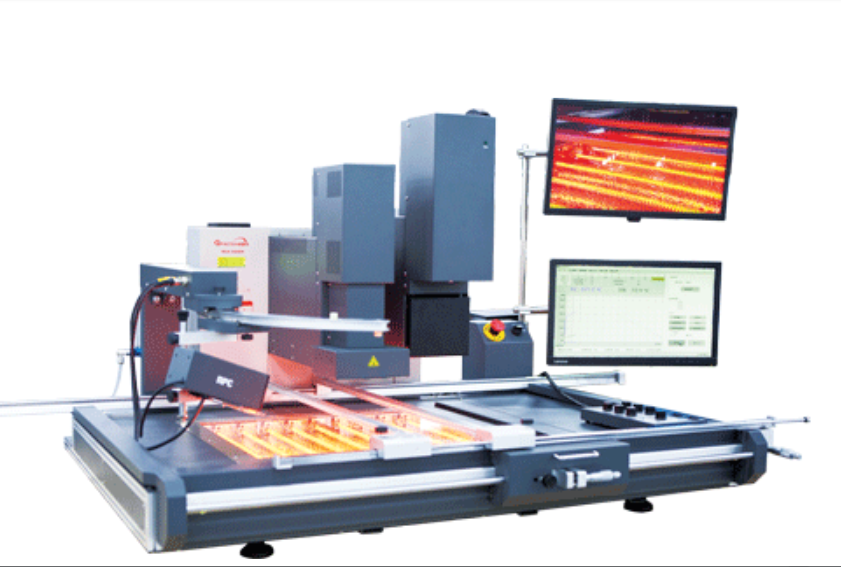
When you’re dealing with solder paste and sensitive components, the “ramp-up” is everything. That’s why we build our digital heating stations with high-density infrared emitters. We didn’t want to just make another tool; we wanted to match the heavy hitters in the industry. We obsessed over the wattage-per-centimeter ratio so that even the most complex boards get exactly the heat they need. The Power Stuff We usually go with high-wattage halogen or quartz tubes. Here is the trick: we spec them for high voltage. Why? Because it keeps the current draw low across those long wire runs, which means your chassis wires won’t get dangerously hot. When you pack that much power into a small space, the heat hits fast. It’s great for keeping your cycle times short. Just a heads-up, though—this puts a lot of pressure on your power supply. Make sure your input voltage is stable. If it dips or spikes, you’ll see flickering, or worse, you’ll blow a filament. The Build Quality Heat makes things bend. To stop the tubes from bowing when they get scorching hot, we use heavy-wall quartz glass. We also use halogen-cycled filaments. This keeps the color temperature steady and makes the lamps last way longer. For the connections, we stick to R7s or SK15 connectors. They’re standard, so they just slide right into most industrial stations. More importantly, they fit tight. There’s no wiggle room, which means no arcing at the terminals. Cheap sockets are usually loose, and that’s where most failures happen. We fixed that. Putting it to Work Whether you’re doing SMT reflow or just pre-heating a board, these stations handle it. Since you can control the digital output, you can smooth out the thermal gradient. It prevents that “thermal shock” that can ruin a component. These tubes are built to be beaten up in a 24/7 production environment. They’re tough. And look, if the heat output doesn’t hit the benchmarks of the brand you’re replacing, we’ll credit you the difference. One last thing: check your cooling fans. If they aren’t up to the task, the ambient heat will build up and trip the thermal cutoff. Keep it cool, and you’re good to go.