Stop Just “Heating” Your Boards
Repairing a modern smartphone isn’t like the old days of basic soldering. It’s more like surgery. If you just blast a board with heat, you’re asking for trouble—delaminated PCBs or bridged CPUs are a nightmare to fix. That’s why we talk about precision thermal management. It sounds fancy, but it really just means putting the heat exactly where it needs to go, and nowhere else.
Why Heat Guns Often Fail
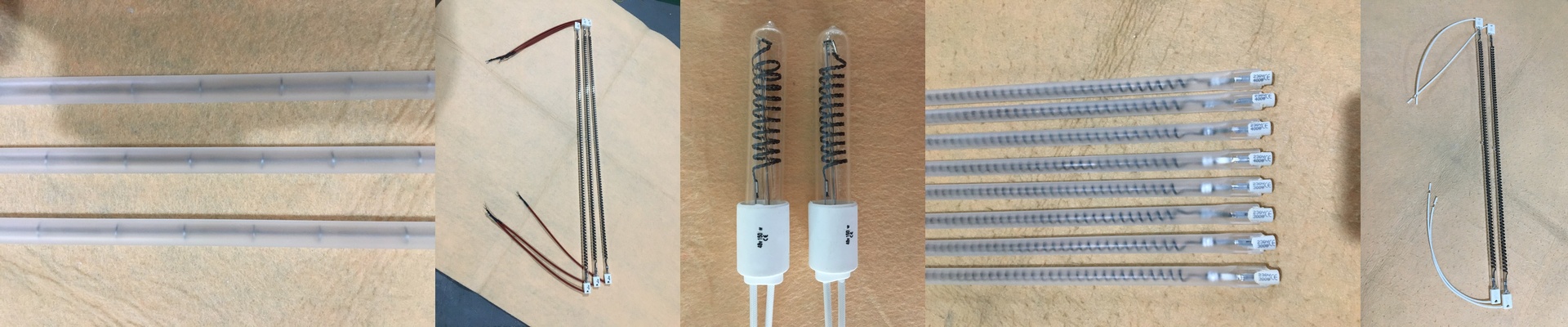
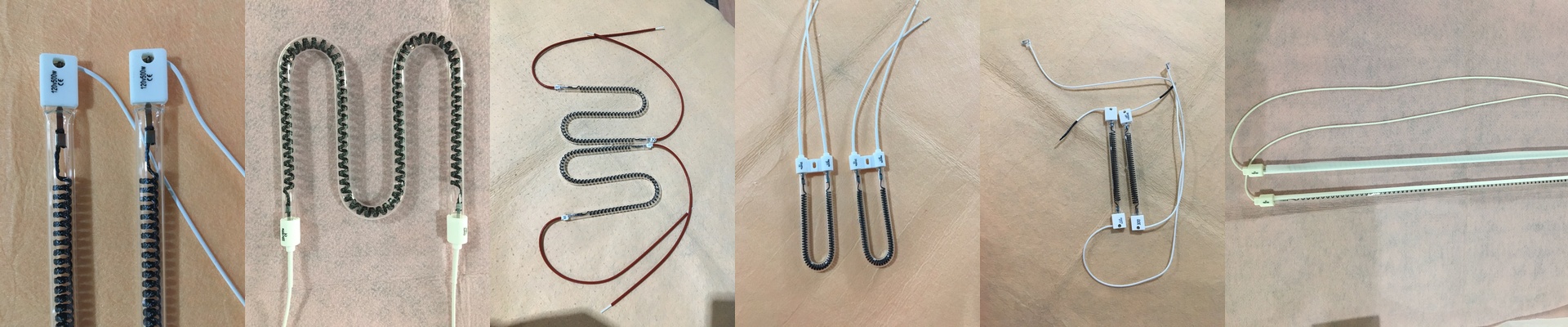
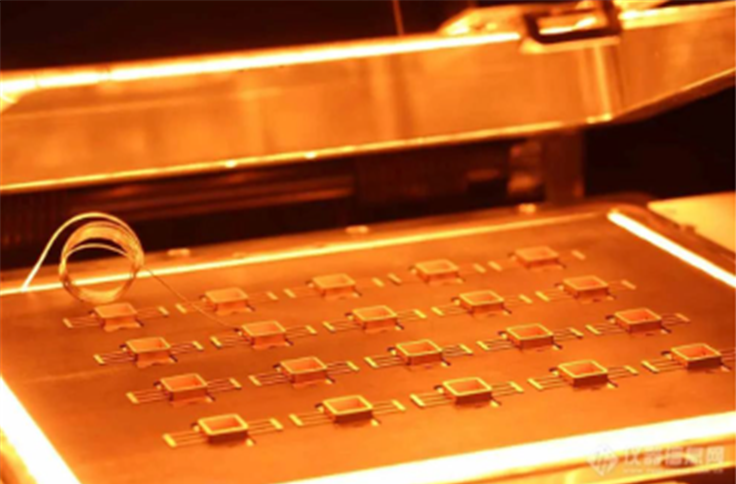
Here’s the thing about standard heat guns: they blow turbulent air everywhere. One wrong move and you’ve accidentally pushed a tiny SMD component right off the board. We prefer infrared lamps. Instead of blowing air, they send radiant energy straight into the solder joints. By tweaking the wattage and wavelength, the heat sinks through the solder mask without melting the plastic connectors sitting right next to it. The goal is a fast ramp-up. You want to hit that 217°C liquidus point for lead-free solder quickly. If you take too long, the heat bleeds across the rest of the board, and that’s when things start to warp.
The Gear That Actually Works
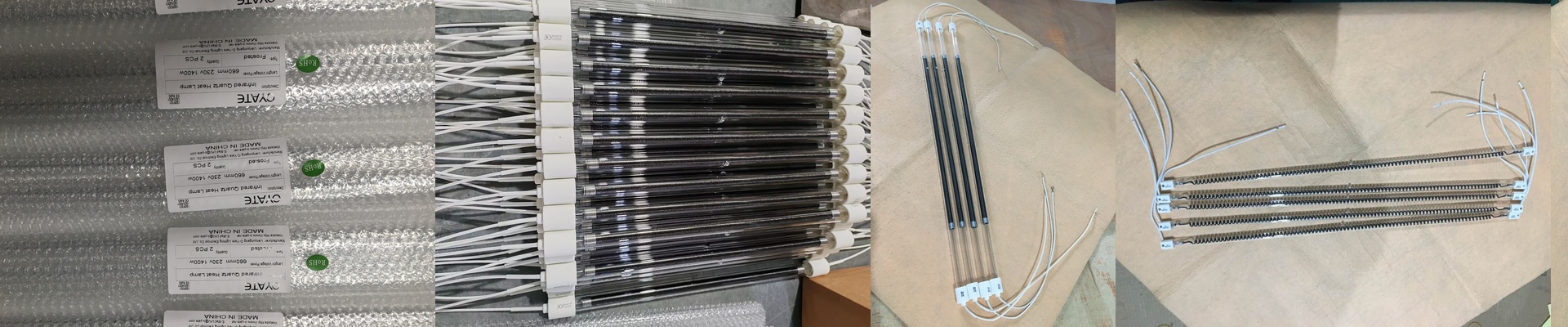
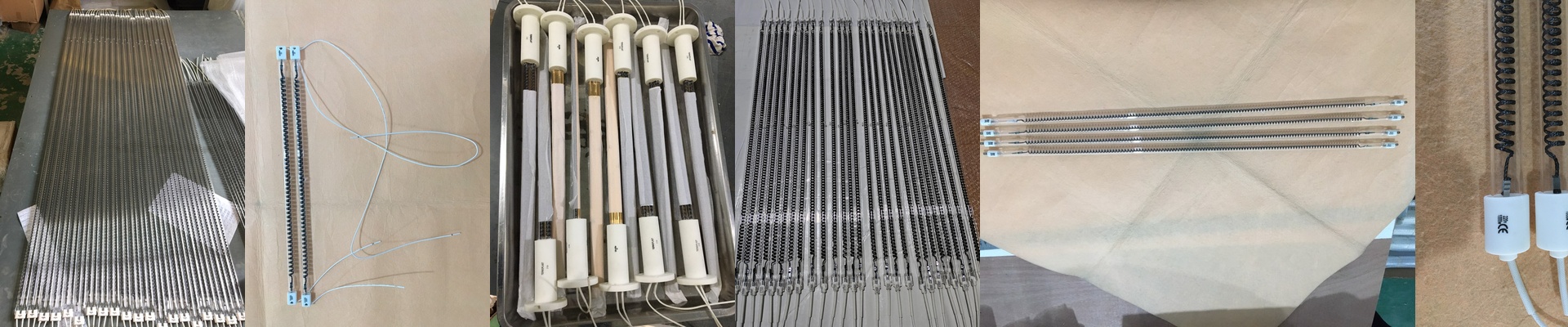
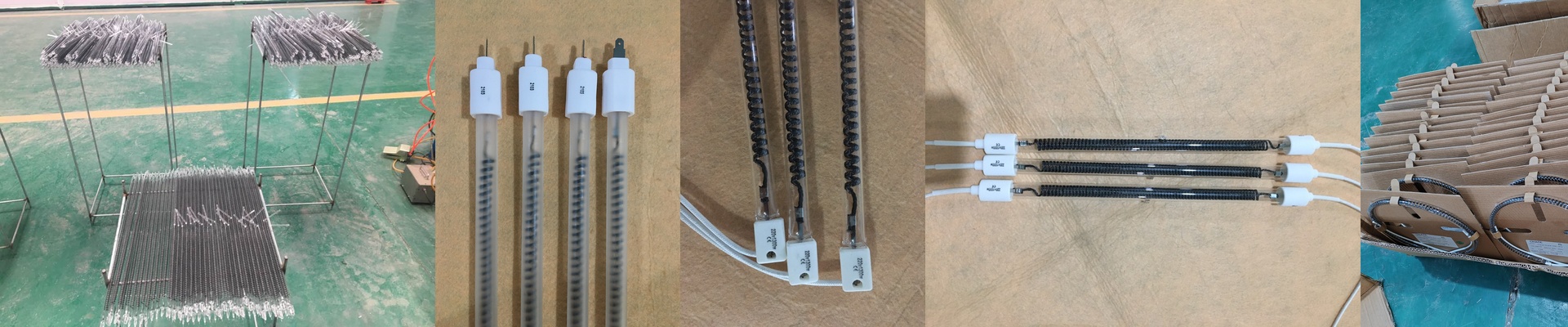
We build these lamps with tungsten filaments and high-purity quartz glass. But the real secret is the reflector. We use polished aluminum to squeeze that IR beam into a tight, focused spot. This keeps the “heat footprint” small, so you aren’t cooking the entire motherboard just to fix one chip. And please, don’t try to run this on a cheap dimmer switch. You’ll get temperature swings that will ruin a thin smartphone board in seconds. You need a stable power supply and a PID controller to keep the thermal profile flat and predictable.
Real Talk: The Shop Floor
IR lamps are fast. Really fast. But that speed is a double-edged sword. If the board is too thin to soak up the heat, you can overshoot your target temperature before you even realize it. You have to feel out the dwell time based on how many layers the PCB has. A 10-layer board is a heat sink; it takes way more energy to saturate than a 4-layer board. If you treat them the same, you’ll either end up with a cold joint or burnt-out traces. It takes a bit of practice, but once you get the hang of it, the results are night and day.