Stopping Your Infrared Lamps From Giving Up the Ghost
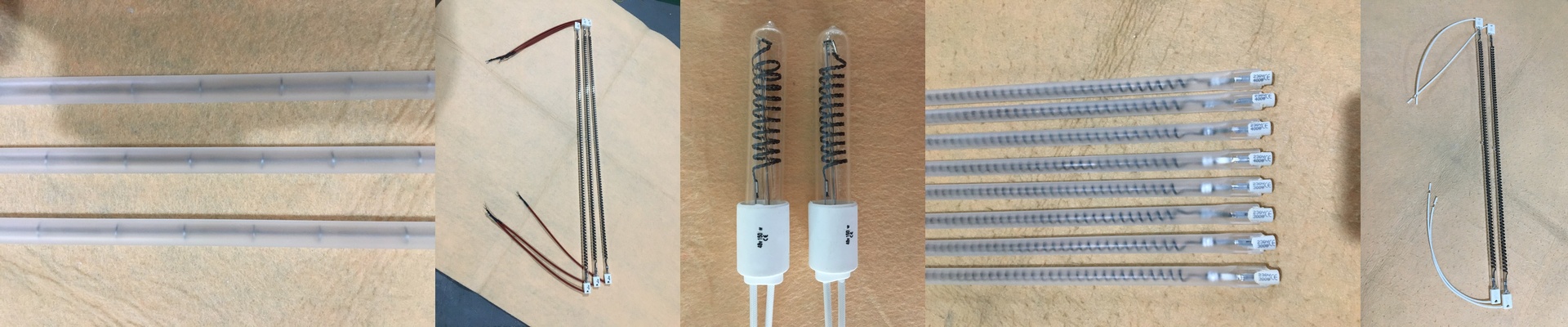
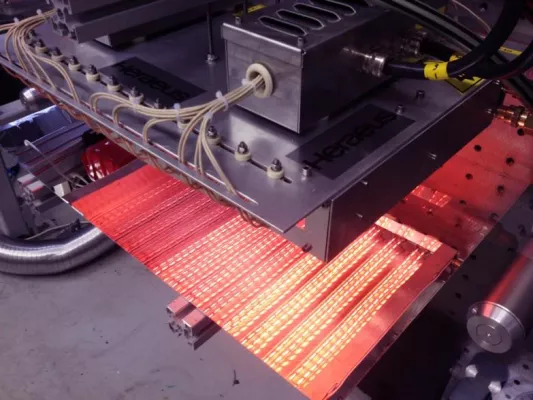
When you’re repairing a smartwatch, it’s all about that sweet spot. You need enough heat to soften the glue, but not so much that you fry the OLED screen. Shortwave infrared lamps are great for this, but there’s a catch: the pulsing. Running a lamp in “flash” mode is basically a workout for the hardware. The filament expands and contracts thousands of times. If you do that long enough, the filament starts to sag or the brackets warp. It’s a recipe for a dead lamp. The struggle with filament sag Here’s the thing: rapid heat cycles create a lot of mechanical stress. Tungsten gets soft when it gets hot. If the support structure isn’t up to the task, the filament will drift or even touch the quartz glass. When that happens, it’s game over. The lamp burns out instantly. We figured this out by tweaking the tension and the materials we use for the supports. We switched to high-grade quartz alloys that don’t freak out when the temperature swings. To make sure they actually hold up, we put them through a “torture test”—flipping the power on and off rapidly—just to prove the filament stays exactly where it belongs. Finding the balance You might think a rock-solid, rigid bracket is the answer. But there’s a trade-off. If the bracket is too stiff, the quartz tube can’t expand, and it’ll just crack under the pressure. So, we went with a floating mount. It lets the tube “breathe” while keeping the filament locked in. It’s a simple fix that makes a huge difference. One heads-up, though: if you crank up the wattage to speed up your repairs, you’re putting more strain on your power supply. And since more power means more heat, you’ve got to make sure your cooling fans can keep up. Otherwise, you’re risking melted connectors. We built these lamps for the chaos of a high-volume repair shop. They’re meant to take a beating and keep their focus, even after months of heavy use.