Getting the Heat Right for Smart Watch Repairs
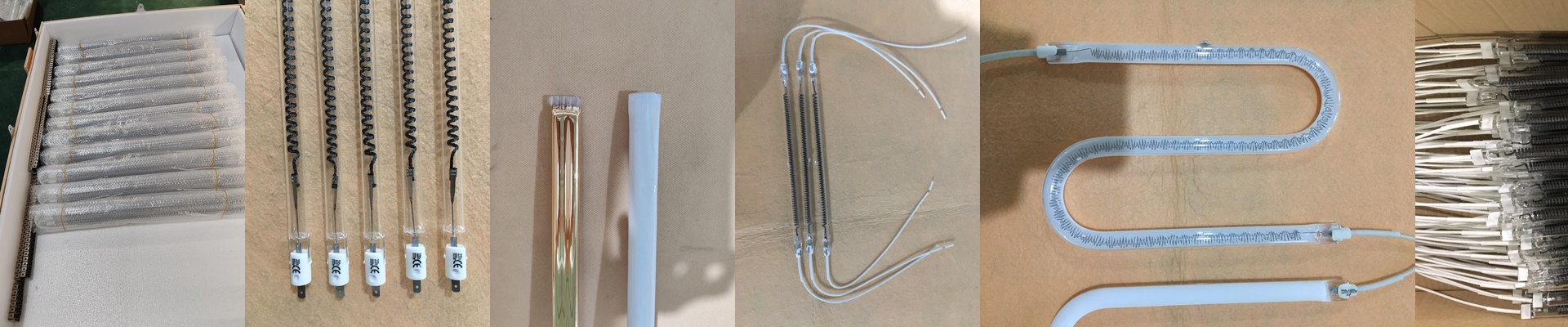
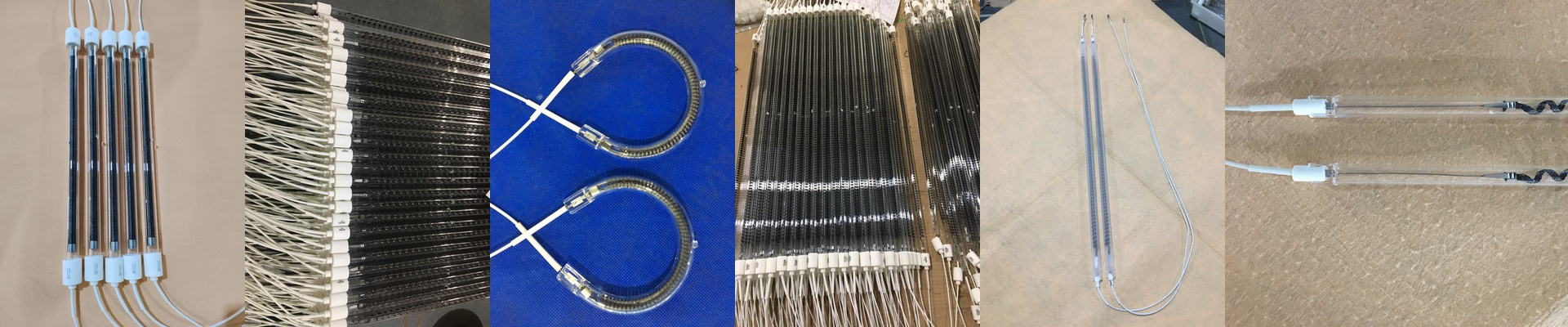
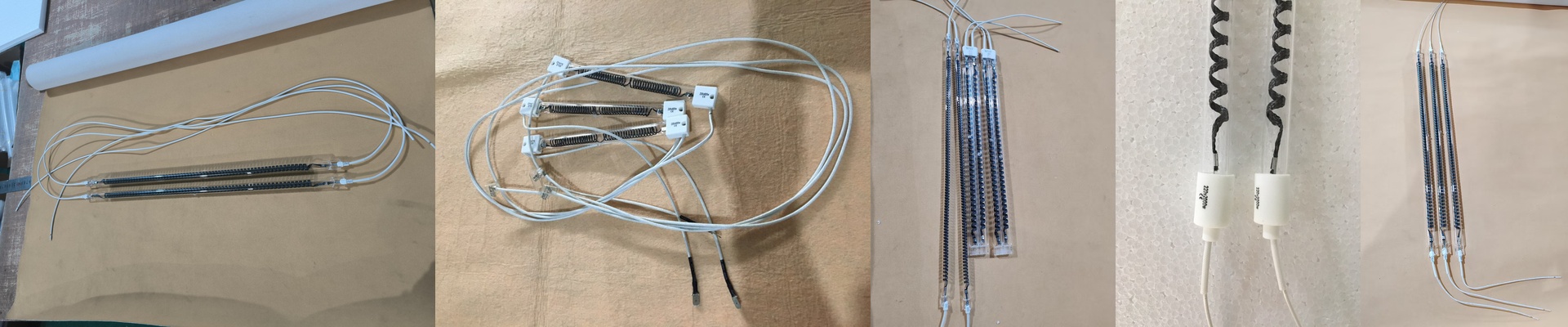
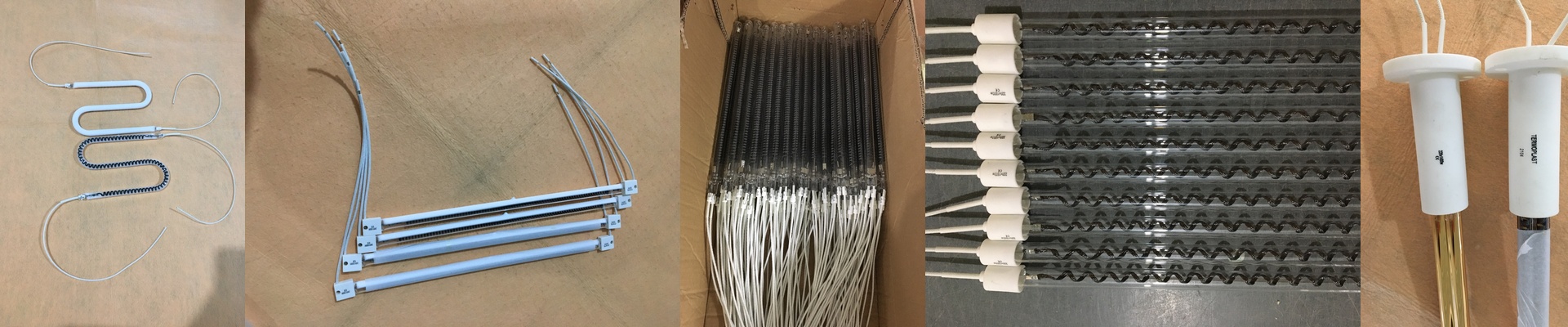
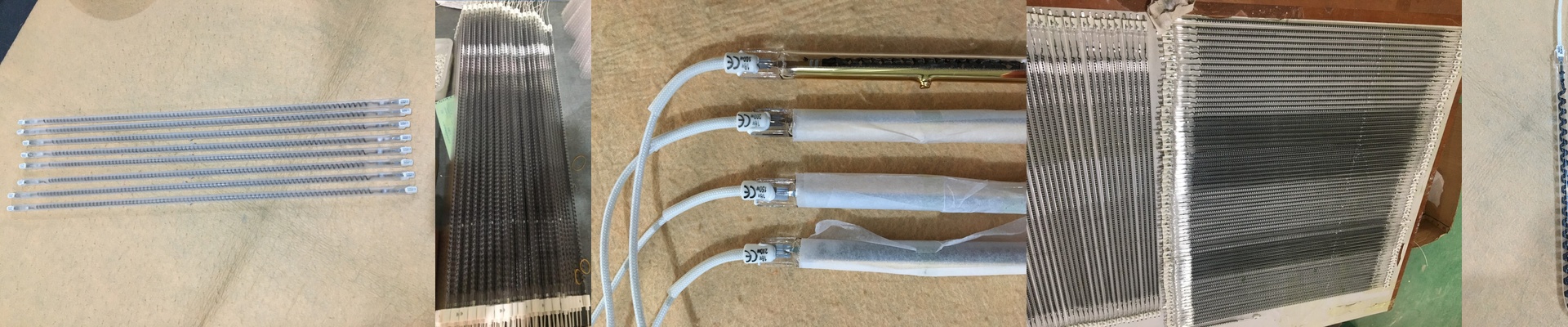
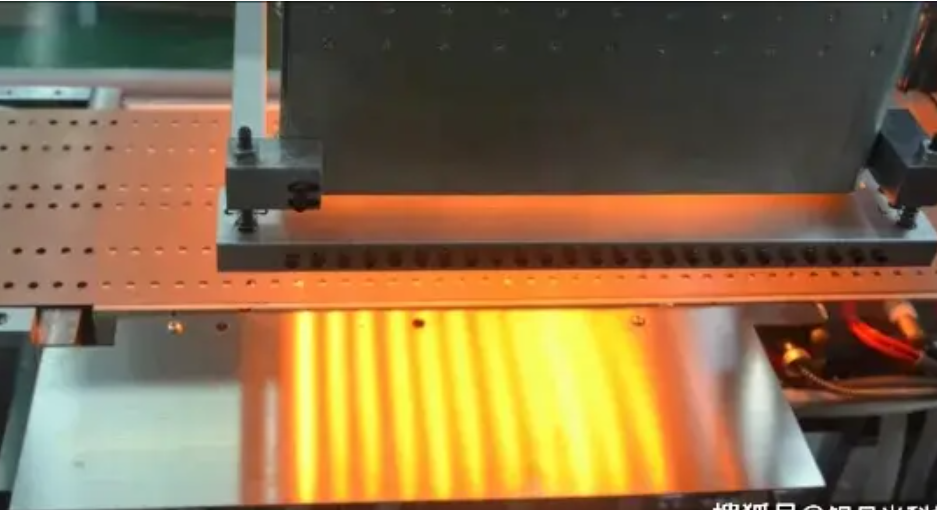
We spent ten years as an OEM before we decided to get serious about the specific headaches of electronic repair. If you’ve done this work, you know the struggle. Smart watch parts are microscopic. You need heat in one exact spot, and you need it to stay there. If that heat bleeds into the plastic casing or, heaven forbid, the battery, you’ve got a problem. That’s why we went with short-wave infrared (IR) lamps. They hit the target and stop. The battle with adhesive Most generic lamps are a nightmare. They’ll overheat the entire board before the adhesive even thinks about melting. It’s frustrating. We tuned our lamps to deliver a concentrated punch of heat. By dialing in the wattage and voltage, the energy sinks right into the screen adhesive without frying the OLED panel. It’s fast. Really fast. You aren’t sitting around staring at a timer waiting for the surface to hit 80°C—you’re actually working. Built for the bench We used high-purity quartz glass because it can handle the shock of being flipped on and off all day. We also made sure the filament is perfectly centered. Cheap lamps usually have hot spots that cause them to burn out way too early. Plus, we used standard connectors. You can just pop these into your existing repair station. No need to spend your afternoon rewiring your entire workbench. The honest truth about the heat Here’s the thing: when you have this much heat density, it gets warm. If your station doesn’t have a decent exhaust or a heat shield, your workspace is going to feel like an oven pretty quickly. You also have to be mindful of the distance between the lamp and the watch. Too close, and you’ll scorch the device. We built these things to take a beating in a high-volume shop. We handled the physics of the wavelength so you can just focus on the repair.