Stop Letting Solder Fumes Kill Your IR Lamps
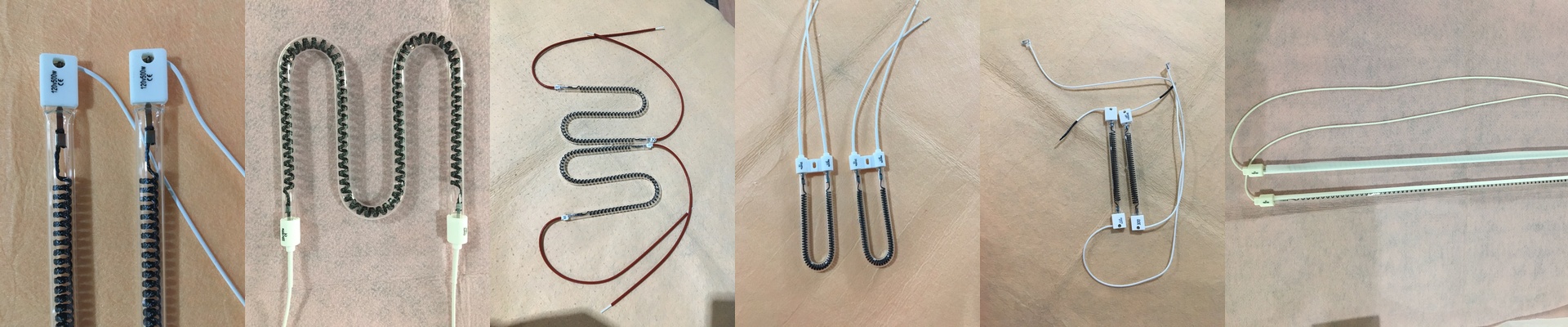
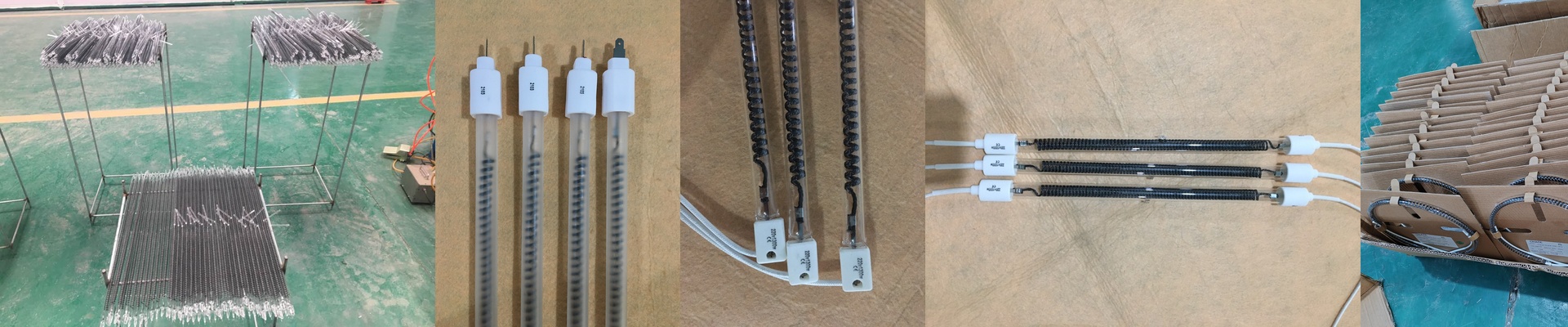
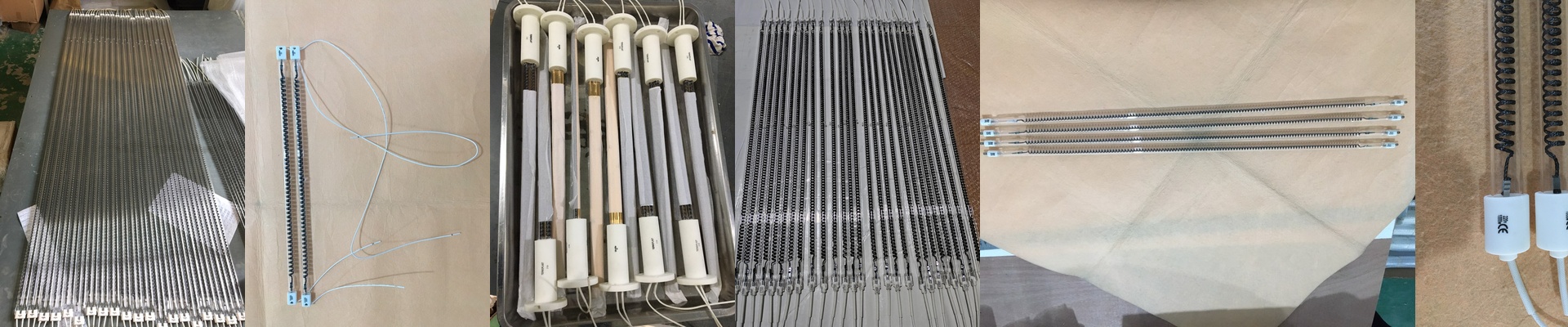
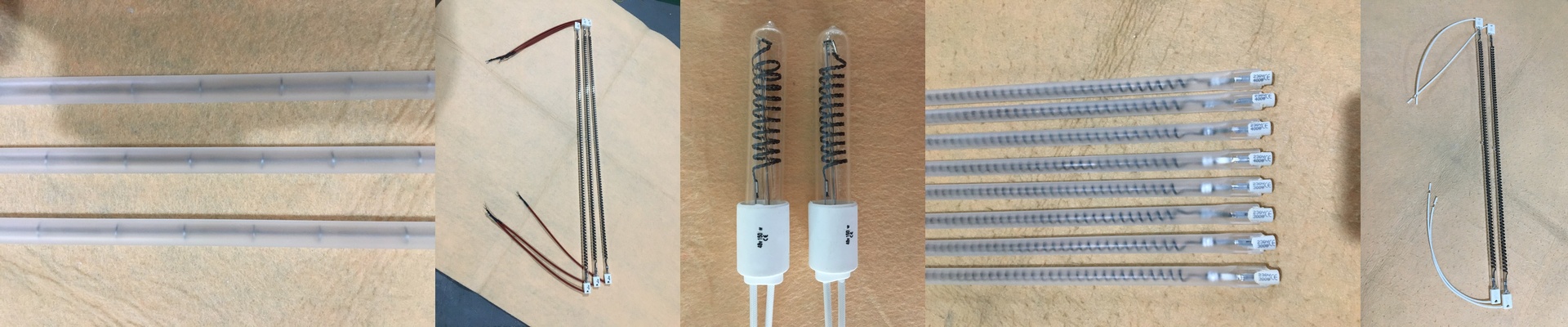
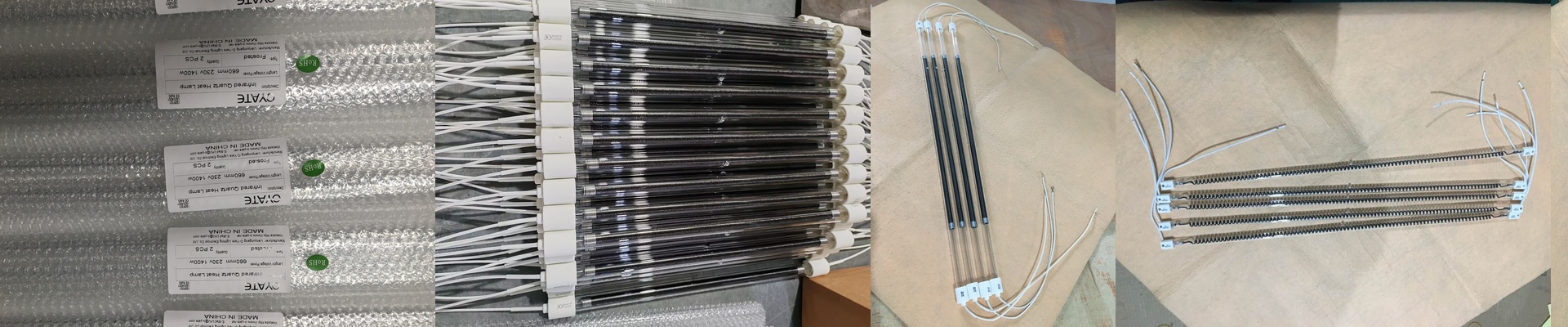
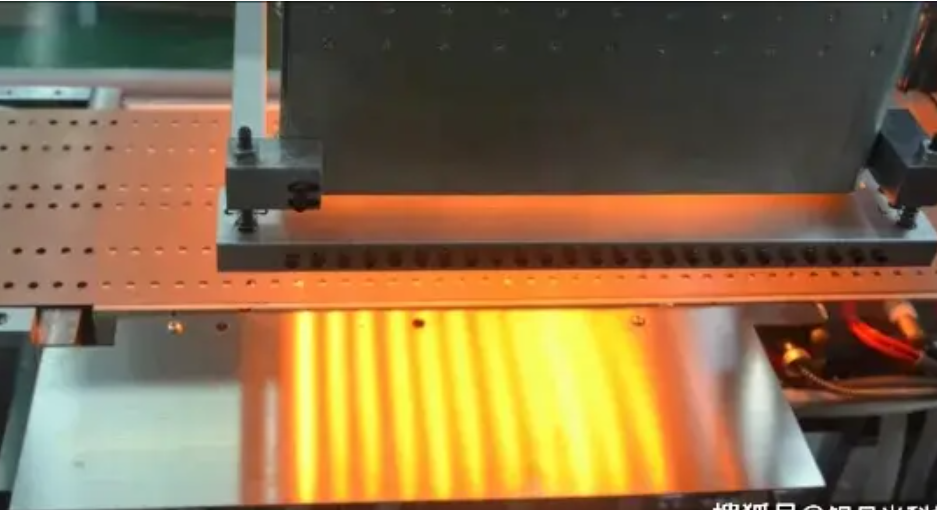
If you’re assembling smart meter PCBs, you know the drill. You need those thermal profiles to be spot on. We use shortwave infrared (IR) lamps to get there, but there’s a nagging problem: solder fumes. Here is what actually happens. Those volatile organic compounds and flux residues float up and land on the hot quartz glass. They don’t just sit there—they bake. You end up with this nasty, carbonized crust that creates hot spots, and before you know it, your tubes are burning out way too early. It’s frustrating and expensive. Enter the air curtain. Instead of just hoping an exhaust hood catches everything, we blow a steady stream of filtered air right across the face of the lamp. Think of it as an invisible wall of air. The fumes hit this barrier and get pushed away before they ever touch the glass. Simple, but it works. But look, there’s a catch. Nothing is perfect. By blowing cool air between your heat source and the PCB, you’re naturally losing some efficiency. To keep your ramp-up rates where they need to be, you’ll probably need lamps with a bit more punch—higher wattage—or you’ll need to tweak the focal distance. Just be careful with the blower power. If you crank it too high, you might end up with uneven heating across the board. We’ve made the actual hardware a breeze to handle. We use slide-out rails and standard connectors, so when it’s time to swap a tube, you aren’t tearing apart your entire conveyor line. It’s a quick swap and you’re back in business. The only real chore? Your filters. If your filters get clogged and you start blowing dirty air onto the lamps, the whole system is pointless. Keep those filters clean. It’s a much better trade-off to spend a few bucks on a cheap filter every now and then than to keep replacing expensive IR tubes.