Stop Guessing Your Board Temps
If you’re running an R&D team, you know the nightmare of a 5-degree variance. It sounds small, but when you’re working with high-density interconnects or touchy components, that tiny gap is where things go wrong. Generic heat is basically a gamble. You need your solder paste to hit liquidus perfectly without accidentally frying your substrate.
It’s All About the Wavelength
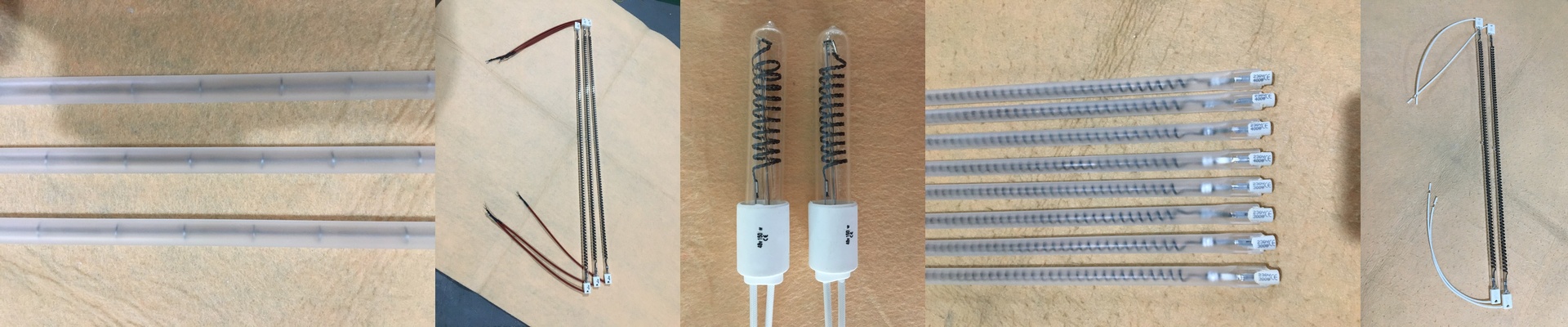
Here is the thing: we don’t just blast wattage at a board and hope for the best. That’s a recipe for a warped PCB. Instead, we focus on the actual wavelength of the infrared energy. We tune the emitter to match how your specific materials absorb heat. This means the energy goes straight into the solder joints, rather than soaking into the chassis. It keeps the board flat and your components happy.
The Hardware That Actually Works
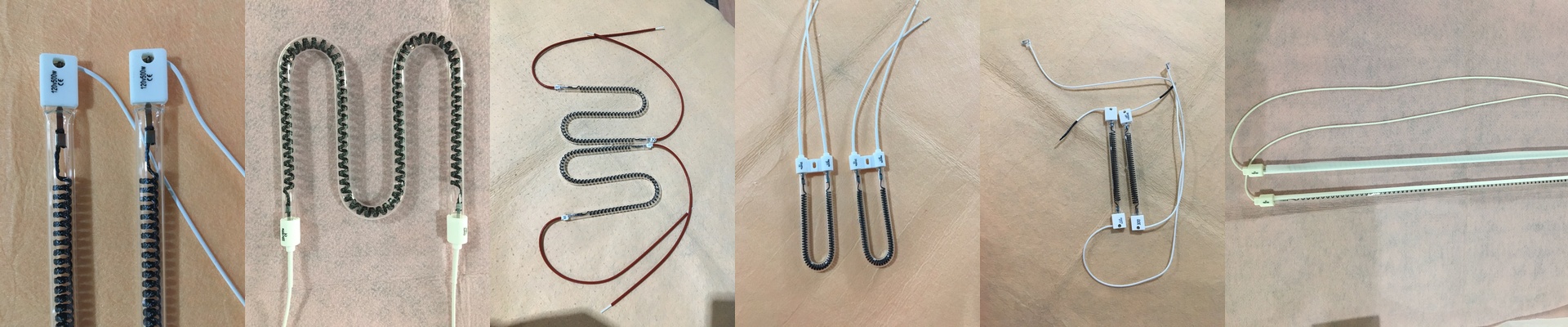
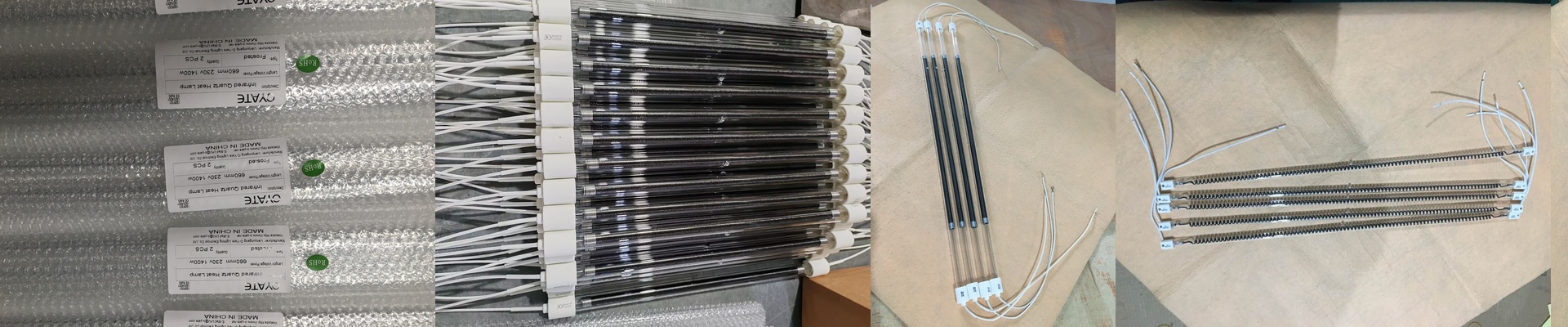
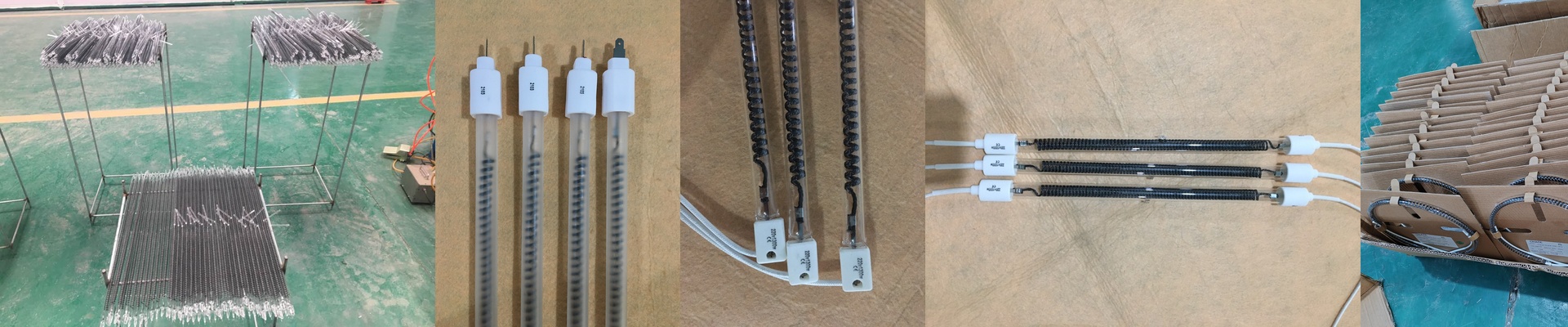
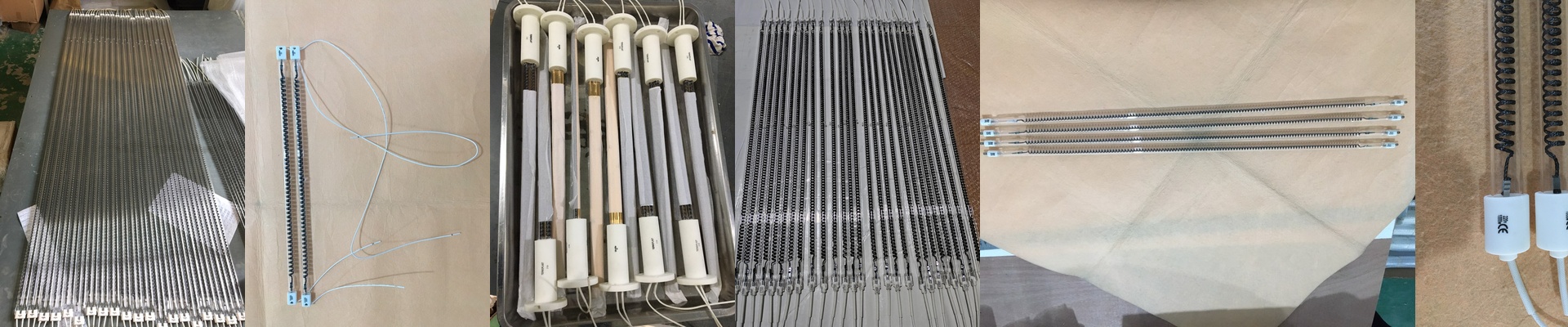
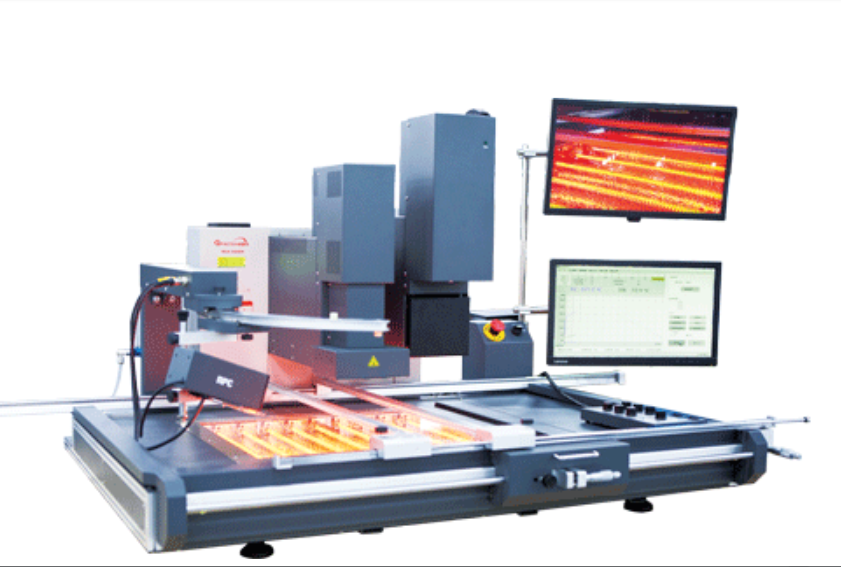
A digital station is only as good as its feedback loop. We’ve all used those cheap stations that “overshoot” the target temp and leave you staring at a ruined prototype. We stopped that by using high-speed thermocouples and PID controllers. You can program exactly how fast the temp ramps up, which saves your components from that brutal thermal shock. And since R&D labs usually run 24/7, we used heavy-duty heating elements that can take a beating. We’ve dialed in the power density so the heat spreads evenly across the whole footprint. Just a heads-up: if you’re working with massive ground planes, give yourself a bit more soak time. Otherwise, you’re looking at cold joints.
A Few Real-World Tips
When you’re setting these up in your lab, keep an eye on your power. These high-wattage emitters pull a lot of current the second they start ramping up. If your circuits aren’t ready for that peak load, you’ll be tripping breakers all morning. Also, these machines are compact, but they put out an intense amount of heat. Put yours in a well-ventilated spot or hook up an external exhaust. If the room gets too hot, your ambient temperature drifts, and suddenly your thermal profile is off.