Building a Better PCB Heating Station
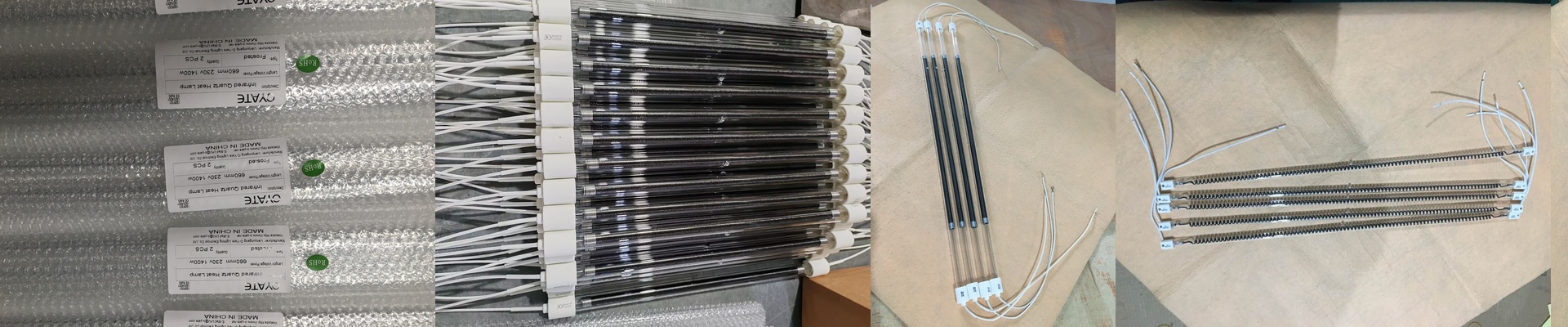
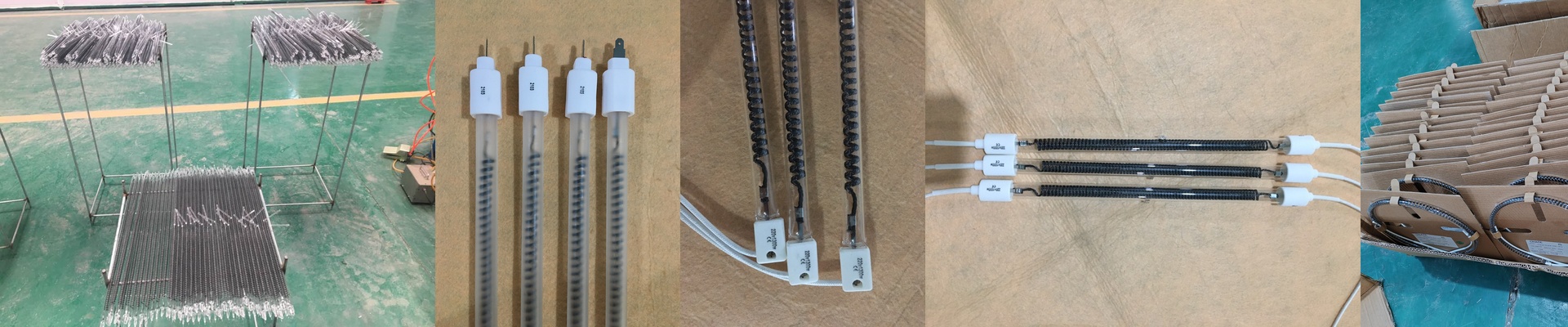
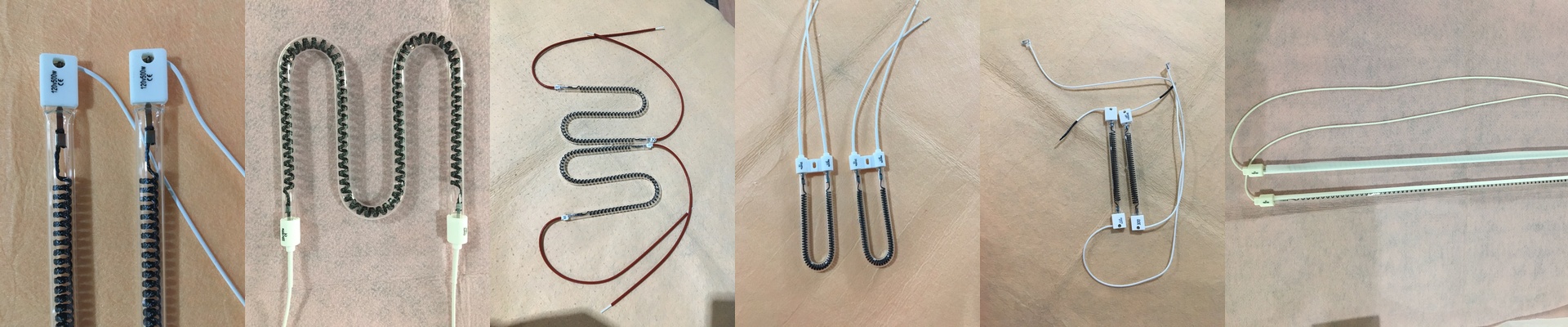
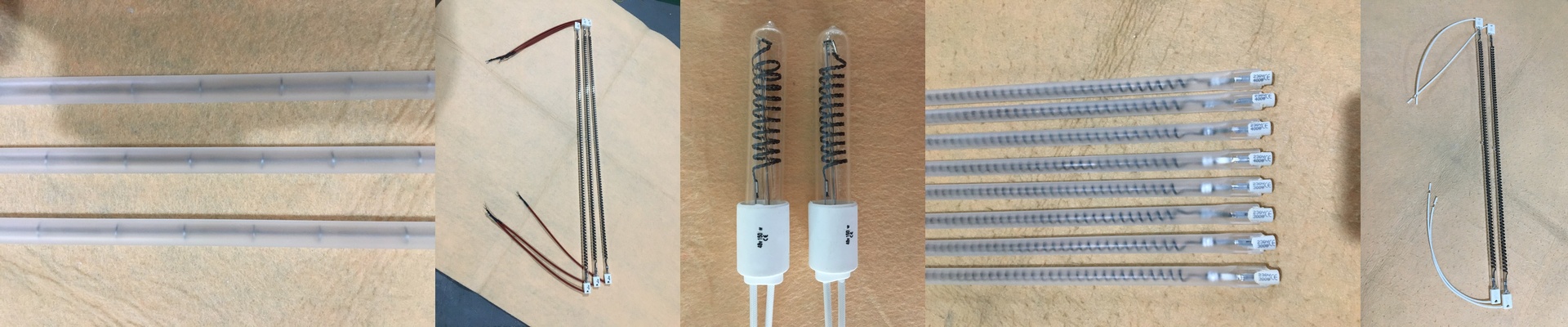
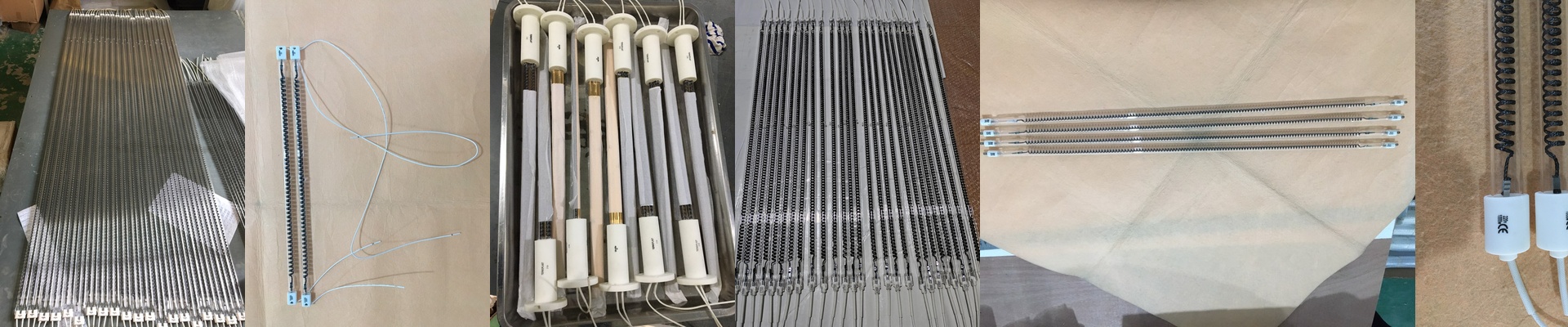
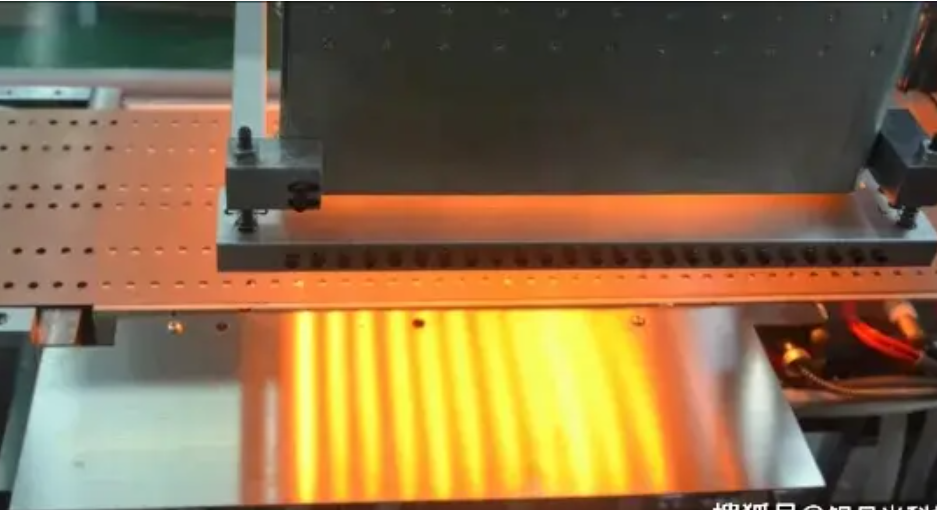
Let’s be honest: the big-name brands charge a fortune for their equipment. But if you’re running a small or medium shop, you can’t just “budget” your way through poor solder quality. That’s why we build our digital heating stations. We wanted to give you that high-end infrared (IR) precision and heat density without the ridiculous brand-name price tag. Getting the heat right Stop guessing. We’ve all been there—tweaking a dial and hoping for the best. We swapped that guesswork for PID control. We use shortwave infrared lamps because they actually get into the board. Unlike convection air, which just blows hot wind around, these lamps punch through the solder mask and the substrate. The board heats up from the bottom up. No more “cold spots,” no more solder bridging, and definitely no more tombstoning during reflow. It just works. The guts of the machine At the heart of the station is a high-wattage quartz heating element. We chose these specifically so you aren’t sitting around waiting for the machine to warm up. They ramp up fast. If you’ve already got a line running, you can usually just drop these in as replacements. We also use industrial-grade controllers to handle the duty cycle. It’s a small detail, but it keeps your lamps from frying the moment a voltage spike hits your line. The real-world trade-offs Here is the thing: these stations are great for your components because they cut down on thermal shock. But, they’re hungry for power. If you’re plugging a few of these into a single phase, keep an eye on your breakers. That initial current surge can be a kick in the teeth if your electrical panel isn’t ready for it. We also kept the footprint small. You can slide these into a tight SMT line without having to move every table in the room. You’ll get all the heat you need for lead-free soldering—just make sure your ventilation can keep up with the heat those quartz tubes put off.