Shortwave or Medium-Wave? Picking the right IR lamp for your SMT station
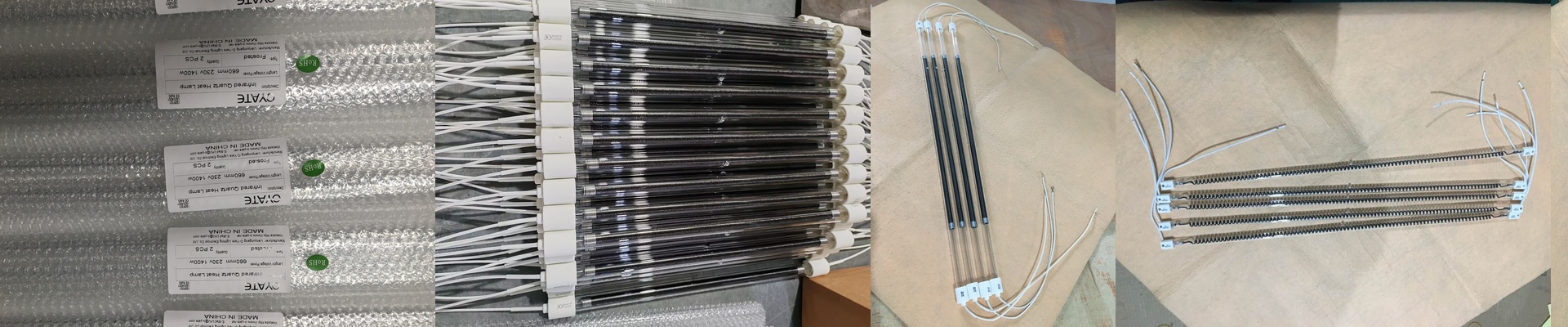
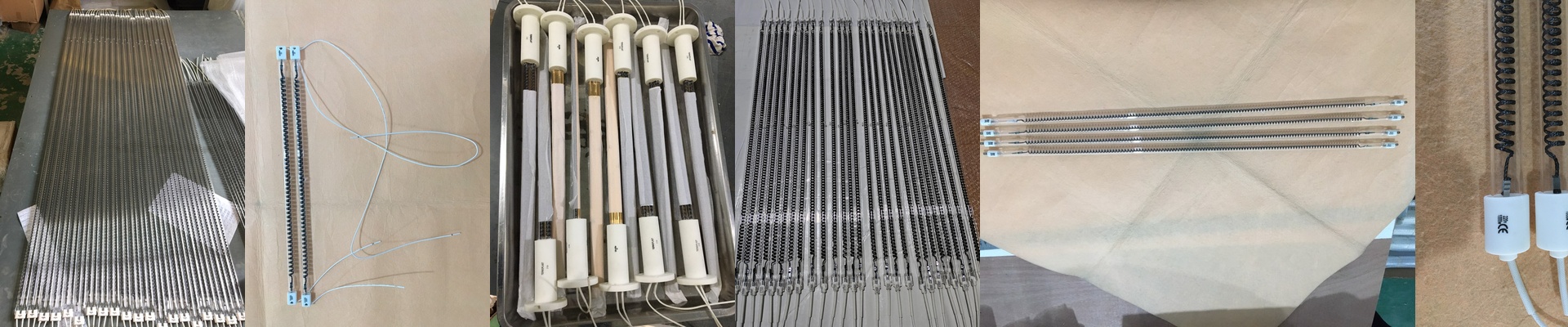
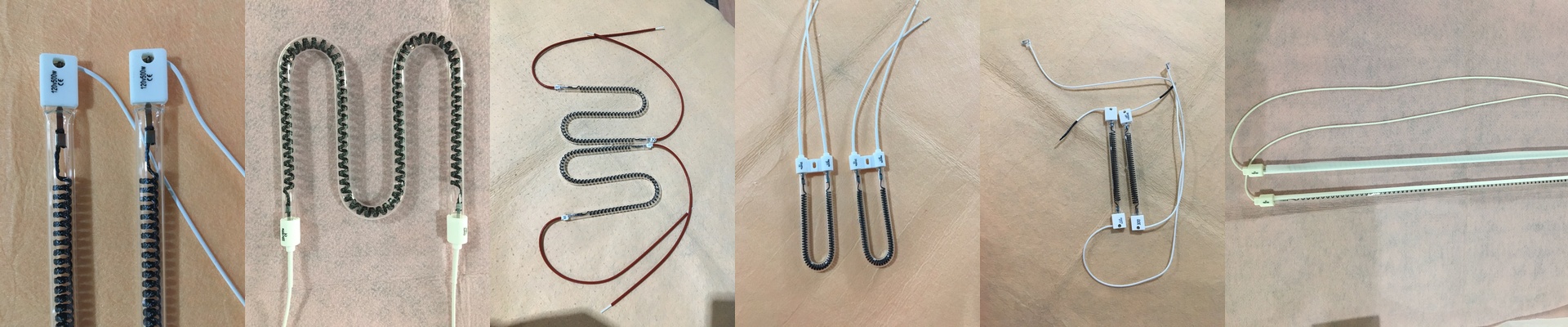
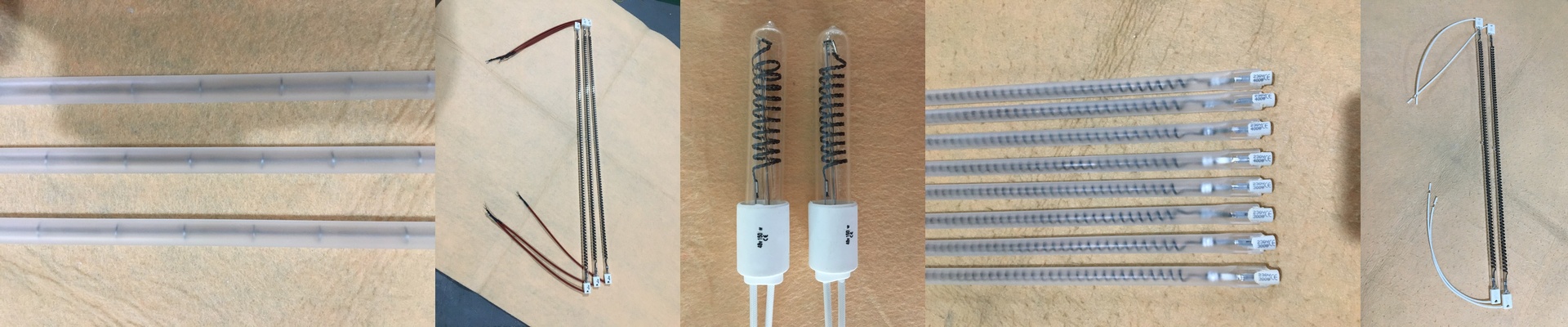
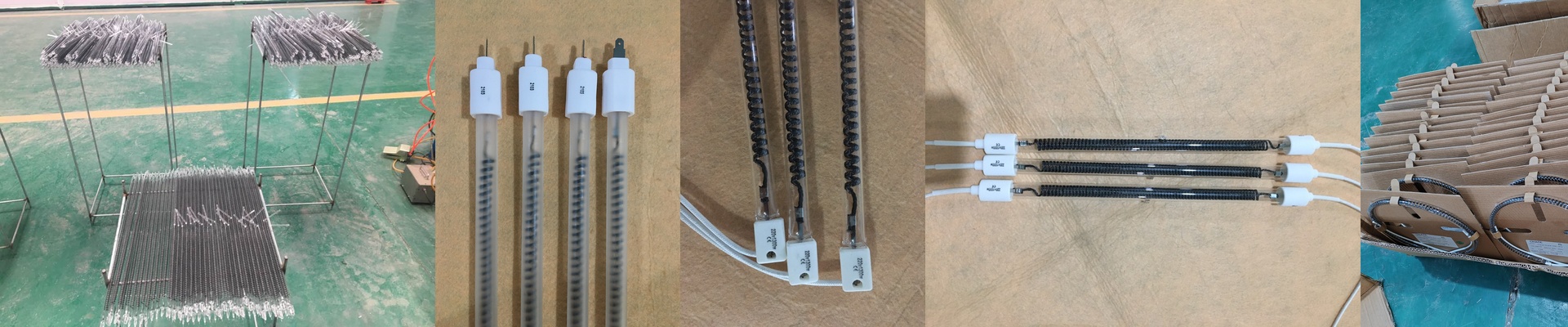
If you’re putting together a digital PCB heating station, you’ve probably hit the wall on the infrared (IR) choice. It basically comes down to how fast you want to heat things up and how you want that heat to spread. Most of the good gear uses quartz glass tubes. Why? Because they don’t warp when things get scorching, and they let the IR radiation fly through without wasting energy.
Let’s talk wavelengths
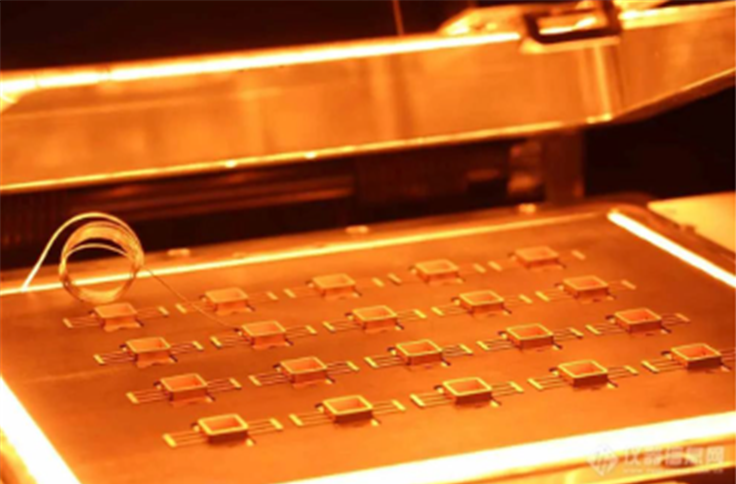
Shortwave IR is the “heavy hitter.” It runs hot and punches right through the surface of the PCB. If you’re running a high-volume line and every second counts, this is your best bet. It’s fast. Really fast. You get that heat-up almost instantly. Medium-wave is a different beast. Instead of just blasting through, it’s absorbed more naturally by the solder paste and the components themselves. This is a lifesaver if you’re working with dense boards where some parts are tall and others are tiny. It keeps the heat more even, so you don’t accidentally fry a small resistor while you’re still waiting for a big capacitor to warm up.
The deal with quartz and heat
We stick with high-purity quartz for a simple reason: it keeps the filament exactly where it belongs. If that filament shifts even a little, you get hot spots. That leads to uneven soldering or those annoying cold joints that haunt you later. But there’s a trade-off. Shortwave lamps run incredibly hot. That puts a lot of stress on your station’s frame. You have to make sure your chassis can actually handle that kind of radiant heat. And please, check your cooling fans. If they aren’t up to the task, you’ll end up frying your own control electronics. Medium-wave is much more chill. It runs cooler and is generally easier on your hardware.
Which one should you actually use?
If you need raw speed—and you’ve got a precise PID controller to make sure you don’t overshoot the temperature—go shortwave. If you care more about stability and don’t want to risk shocking your components, medium-wave is the way to go. Actually, a lot of us find that a hybrid setup is the sweet spot. Use shortwave for that initial blast of heat, then switch to medium-wave for the soak zone. Best of both worlds.