Dealing with Filament Fatigue in Rapid-Pulse IR Heating
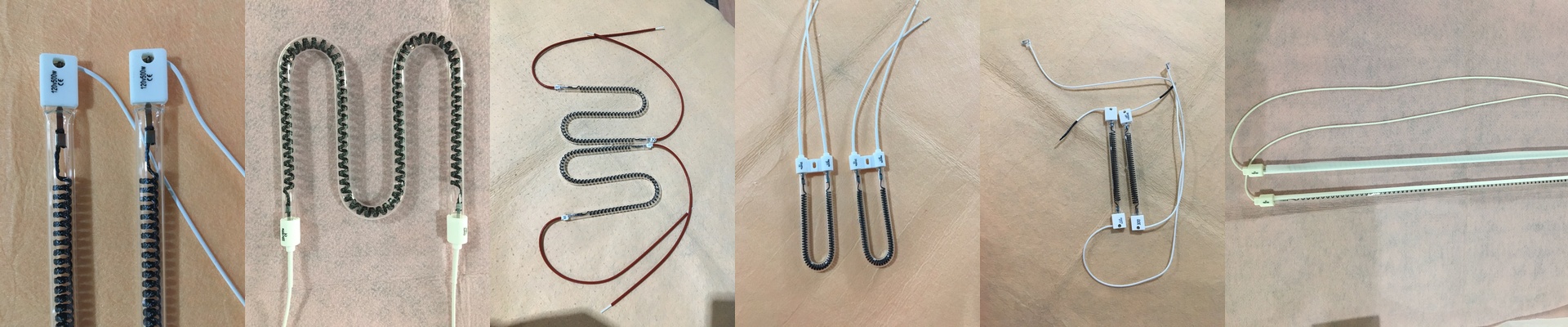
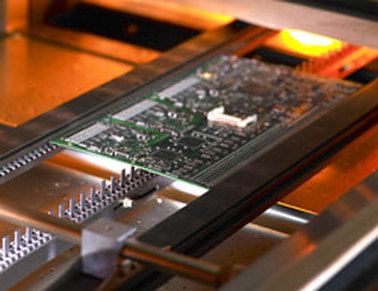
If you’ve ever used a digital PCB heating station, you know they rely on these quick “flash” heating cycles. But here’s the catch: when you flick an infrared lamp on and off tens of thousands of times, that filament is fighting a losing battle. It expands and shrinks violently every single time it pulses. That constant movement creates a ton of mechanical stress. If your supports aren’t up to the task, the lamp will either warp or just snap. Simple as that.
Why Lamps Sag (and Why It Matters)
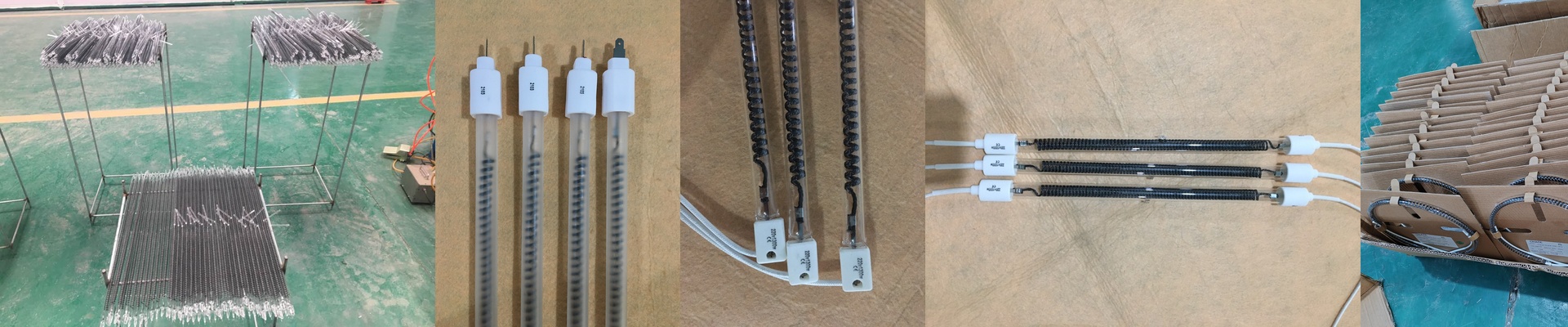
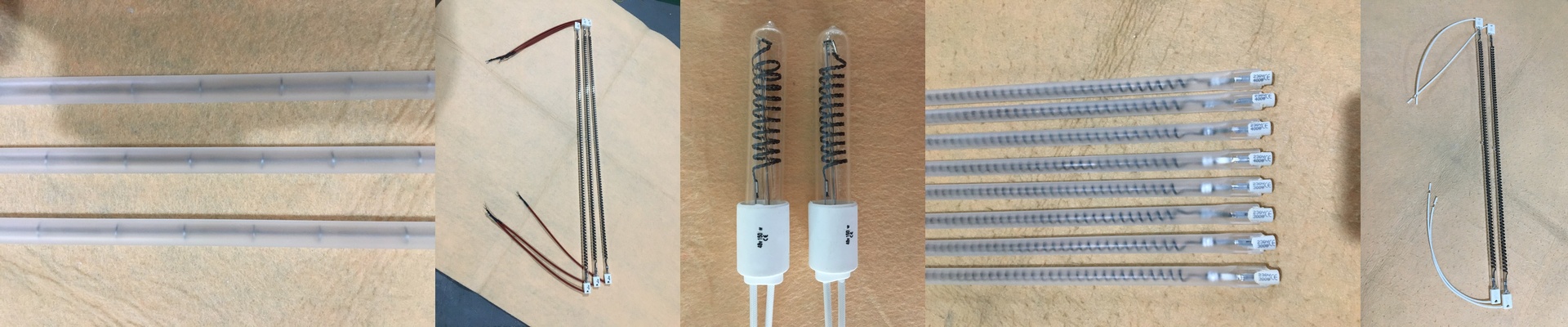
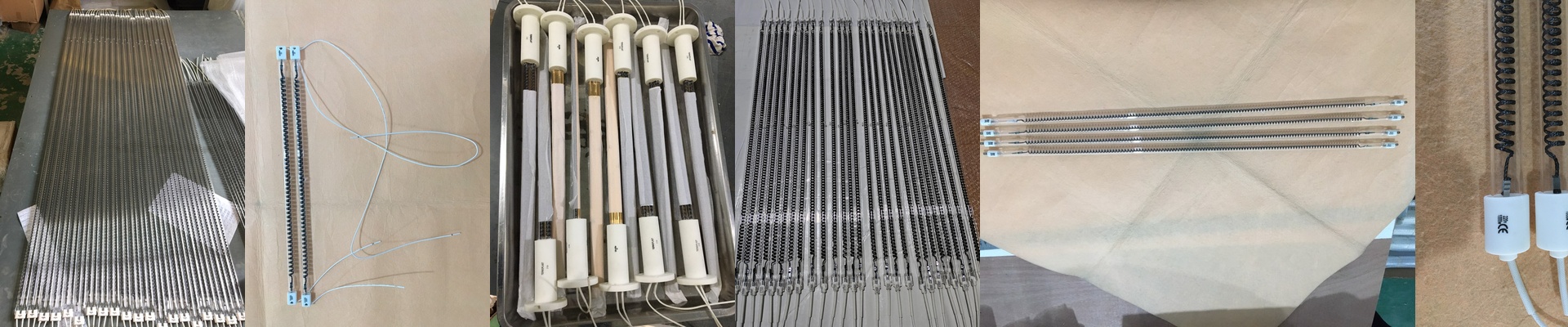
The physics here are pretty brutal. We’re talking about a tungsten filament jumping thousands of degrees in a matter of seconds. If the support brackets can’t handle that fatigue, the lamp starts to sag. And once it sags, your focal point shifts. Suddenly, your IR radiation isn’t hitting the board evenly, and your solder profile is shot. To stop this, we use reinforced supports that can actually soak up those thermal shocks. We’ve spent a lot of time tweaking the clamping pressure and the materials so the lamp stays dead straight, even after 50,000 cycles.
How We Test This Stuff
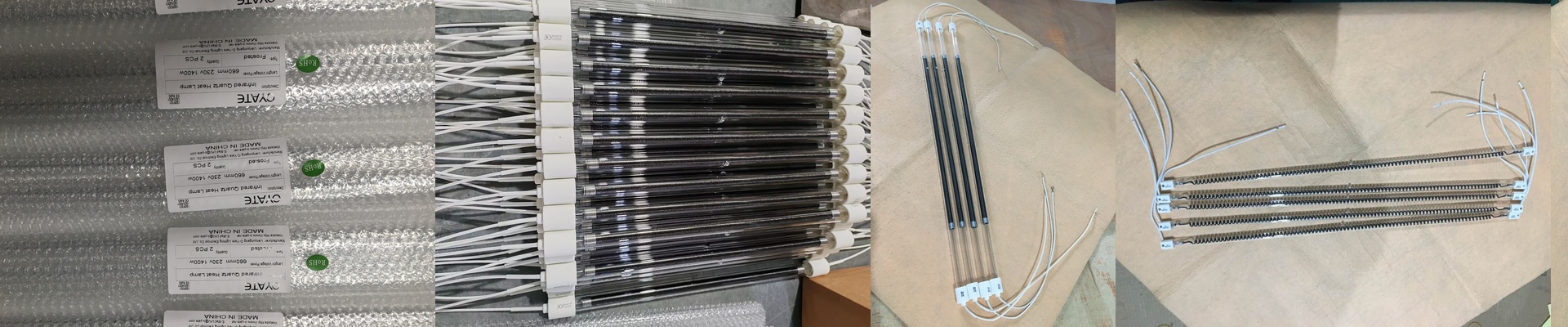
We don’t just guess and hope for the best. We push our stations through stress tests that mimic a 24/7 production line—basically running the lamps at max wattage through rapid-fire pulses until something gives. Then, we use precision gauges to see exactly how much the filament moved. It’s a balancing act. If a bracket is too rigid, it puts too much pressure on the glass and it snaps. Too loose? The lamp starts to vibrate. We look for that sweet spot where the lamp is held securely but still has a little room to “breathe” as it heats up.
The Trade-offs
Look, getting this kind of durability requires materials that can take a beating. These heavy-duty brackets are a bit bulkier than the standard ones you might be used to. You’ll want to double-check that your station’s chassis has enough room for them. Also, because they’re more robust, swapping out a lamp might take a few extra seconds. It’s a small price to pay, though. I’d much rather spend an extra minute on a lamp swap than deal with unplanned downtime on the shop floor because a filament gave up the ghost.