Getting the Heat Right for Quantum Chips
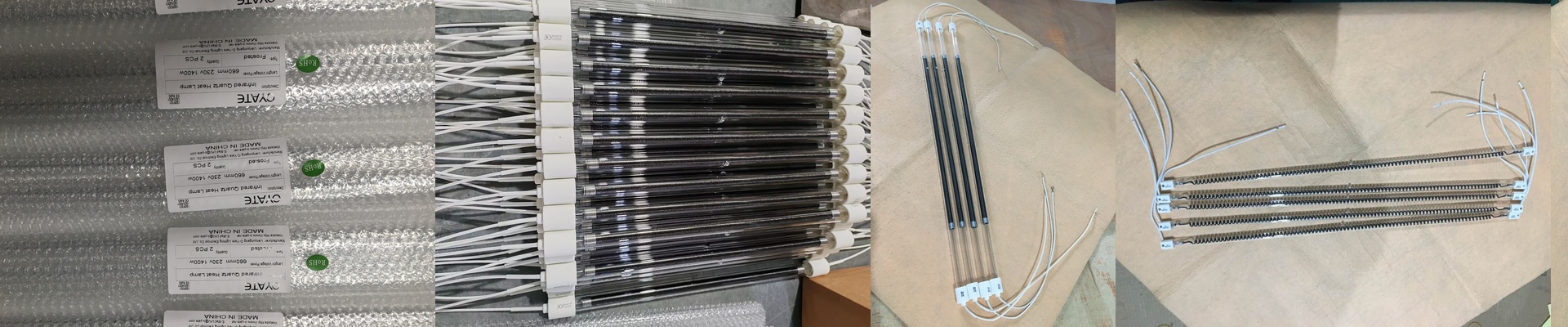
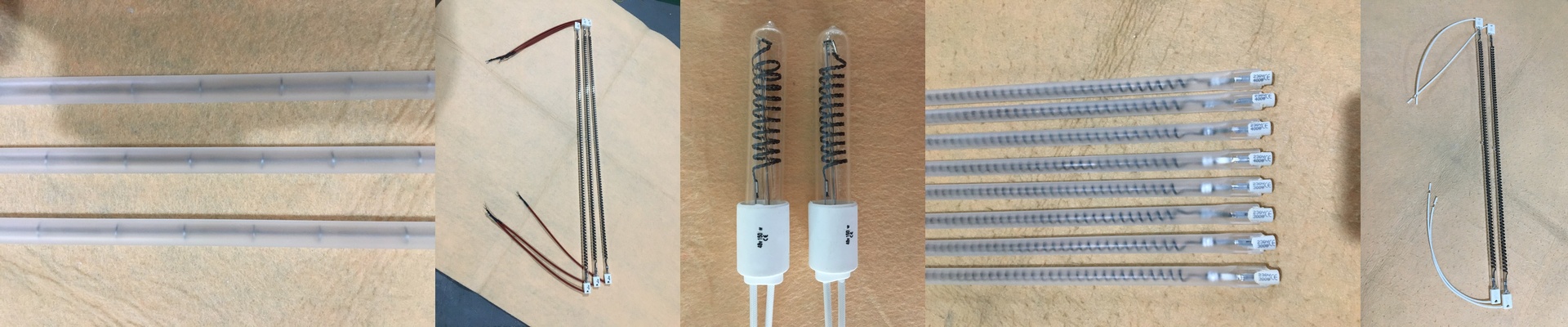
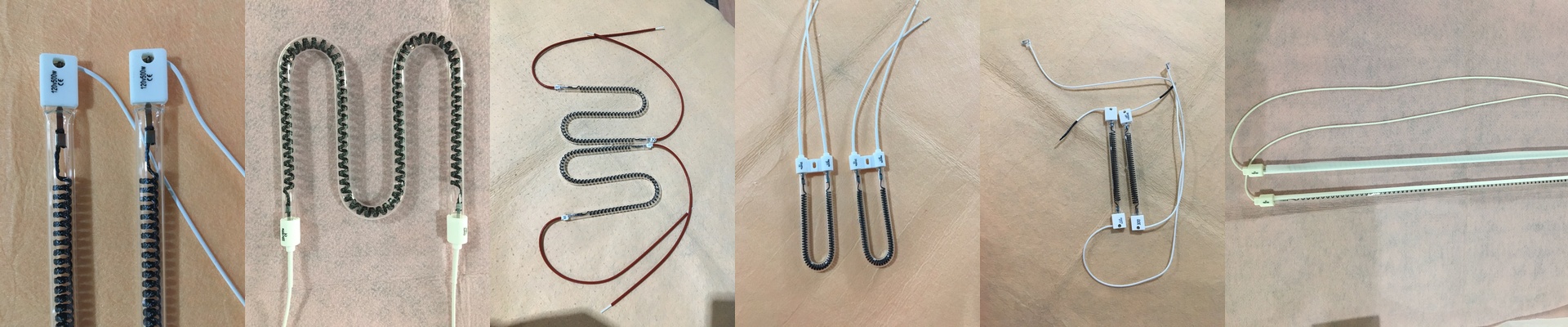
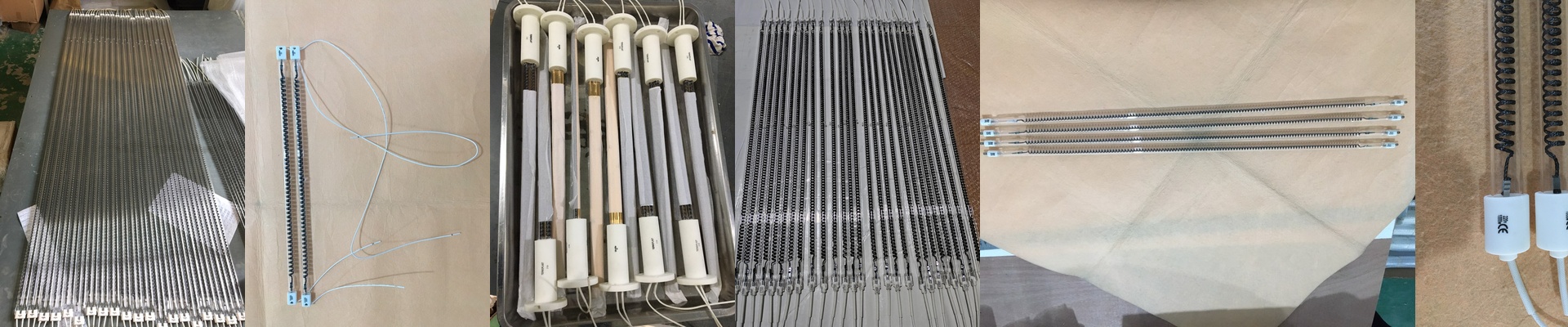
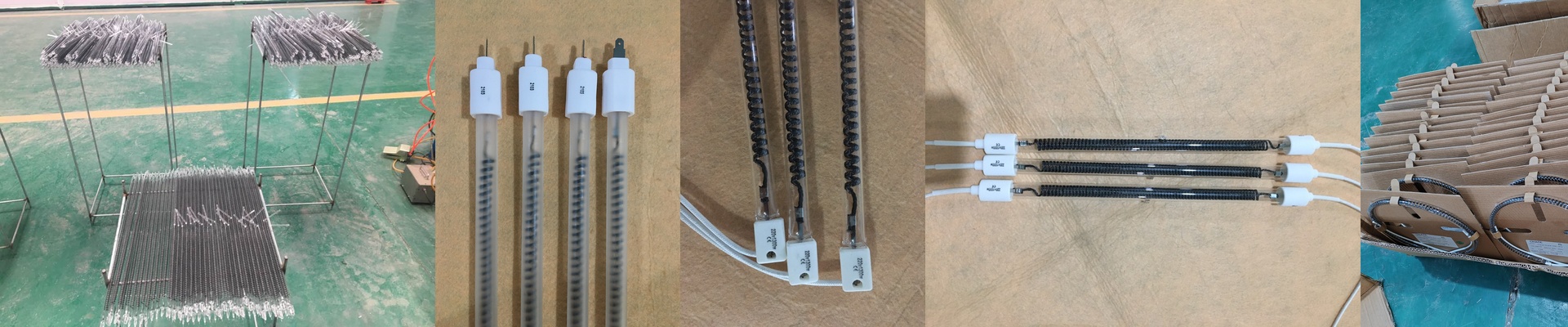
When you’re building quantum chips, you can’t just throw a standard heater at the problem. You need a thermal bridge that actually behaves. We’ve found that the best way to handle this is pairing shortwave infrared (IR) lamps with high-precision digital controllers. It’s the only way to hit those exact temperature targets without accidentally frying your substrate. The struggle with temperature control A basic heater just won’t cut it. If you don’t have a digital controller managing the PID loop, you’re asking for trouble. One little overshoot and your quantum wafer is scrap. We wire these controllers to tweak the power in real-time. The goal is to get the chip to its activation temperature within a fraction of a degree. If the controller lags even a bit, you risk thermal shock. And trust me, that’s a headache you don’t want. The gear and the grit We usually go with quartz-halogen elements. They’re great because they pack a lot of wattage into a small space, giving you intense radiant energy without taking up half the lab. Plus, because we’re focusing the IR spectrum, the heat goes straight into the material. You aren’t wasting energy heating up the air around the chip. But here’s the thing: you have to keep a close eye on your voltage. These high-wattage tubes put a real strain on your power supply. If you’ve got a system spec’d for 230V but your facility’s power is jumping around, your lamps are going to burn out way too fast. I always suggest using dedicated, stabilized circuits. It saves you from the annoyance of replacing bulbs every few weeks. Making it work in the lab In the world of quantum fab, we use these lamps for degassing and annealing. The shortwave radiation hits the surface layers fast. It’s way quicker than waiting on a convection oven. There is a catch, though. That kind of intensity creates a lot of heat in the housing. If your cooling fans aren’t up to the task, your controller is going to trip a high-temp alarm and shut everything down. It’s a bit of a balancing act, but it gives you those rapid ramp-up times you need for this kind of tech without needing a giant, clunky furnace in the room.