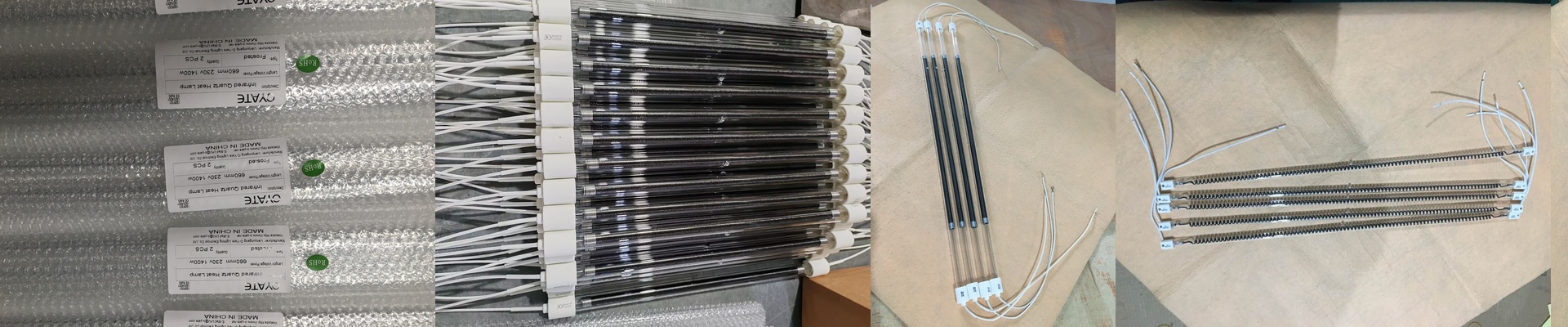
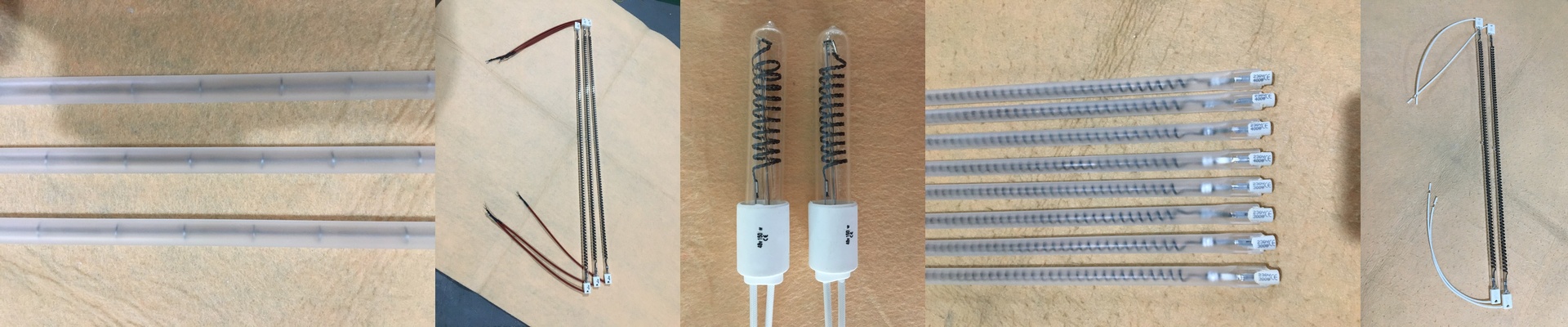
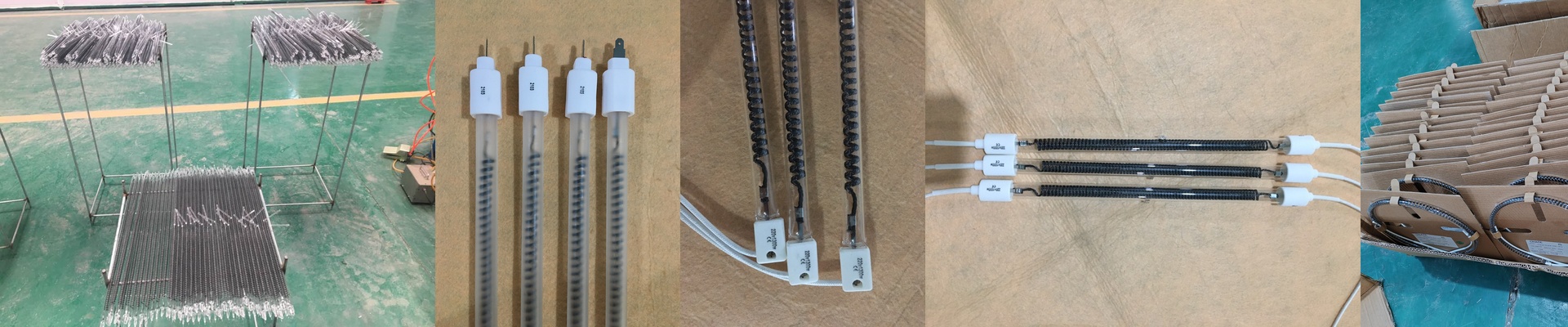
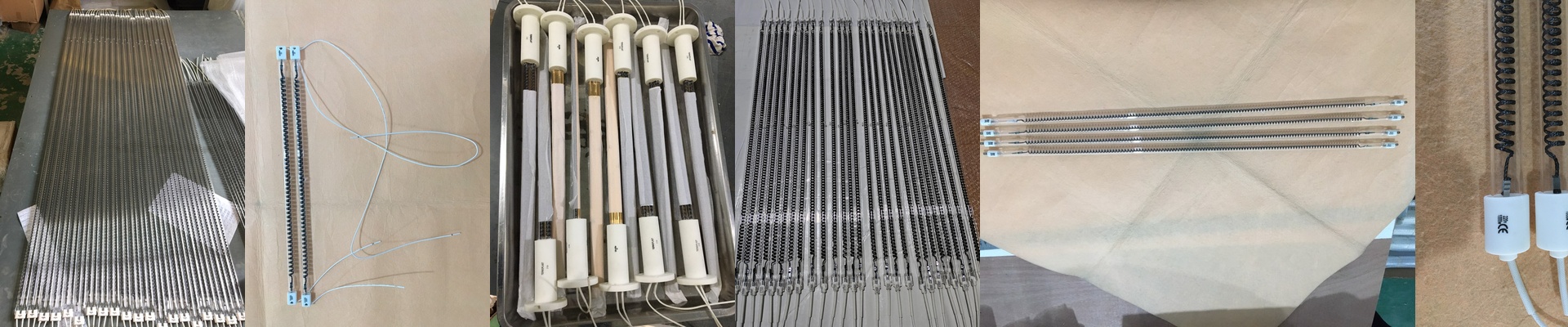
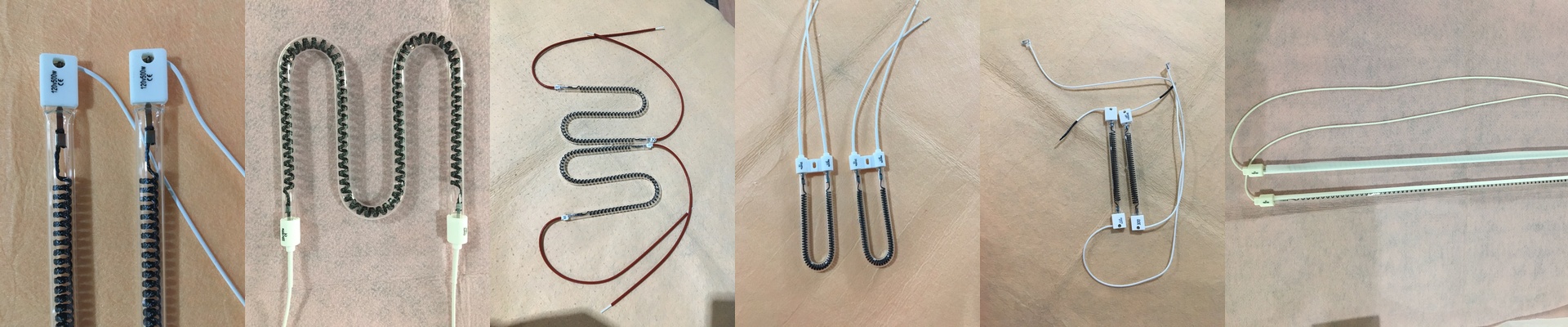
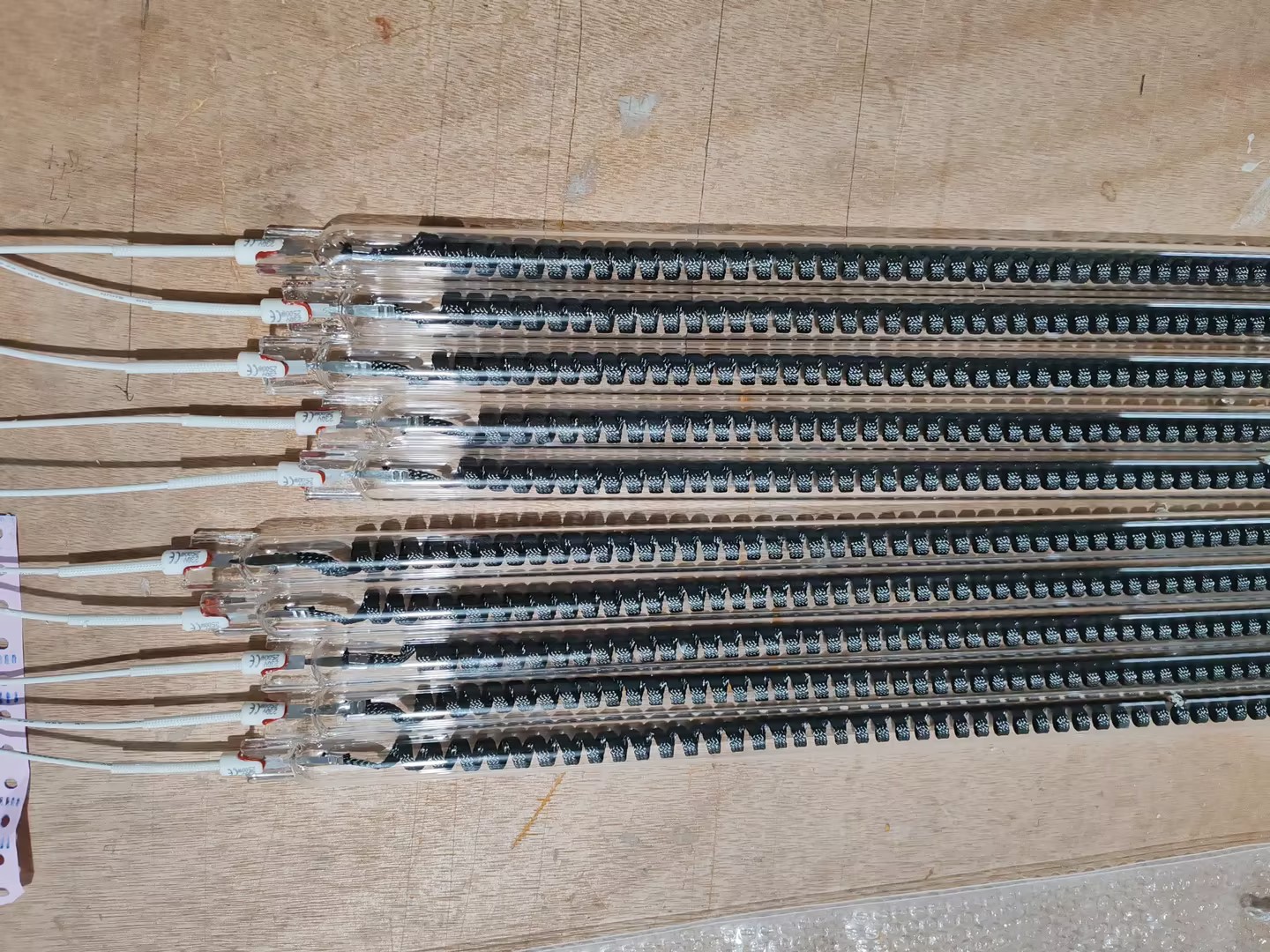
Let’s talk about the 1000W Carbon Fiber Heating Tube
We built these tubes for those moments when your standard quartz lamps just aren’t cutting it. If you’re dealing with high-density thermal loads, you need something that hits harder. Instead of using old-school coils, we use a carbon fiber filament. It turns electricity into short-wave infrared radiation. The result? You hit your target temperatures way faster. It’s almost instant. A word of caution on the power. Packing 1000W into a tube this size creates a serious heat zone. Because of that, you’ve got to keep your power supply steady. If you get a voltage spike, it’ll fry the filament in a heartbeat. Also, keep an eye on your airflow. These things get hot—fast. If you’re squeezing this into a tight housing without enough ventilation, you’re looking at a premature failure or, worse, melted plastic parts nearby. What’s actually inside? It’s a carbon fiber weave tucked inside a high-purity quartz glass envelope. We chose quartz because it lets those infrared waves slide right through without soaking up the heat itself. We also put a lot of thought into the seals. The electrodes are designed to breathe, meaning they handle the filament expanding and contracting as it heats up and cools down. That’s what keeps the glass from cracking when you’re cycling the power on and off. Putting them to work If you’re running PET blowing or curing lines, these usually slide right in to replace those clunky old halogen systems. But here’s the thing: quartz is fragile. These tubes can handle extreme heat, but they can’t handle a clumsy hand. One wrong bump during installation and you’ve got a crack. Use the right mounting clips so the glass isn’t under any mechanical stress. And just a heads-up—if you’re running these at 100% all the time, the electrodes will eventually wear down. It’s just physics. Just keep an eye on your runtime and plan for a replacement before they quit on you.