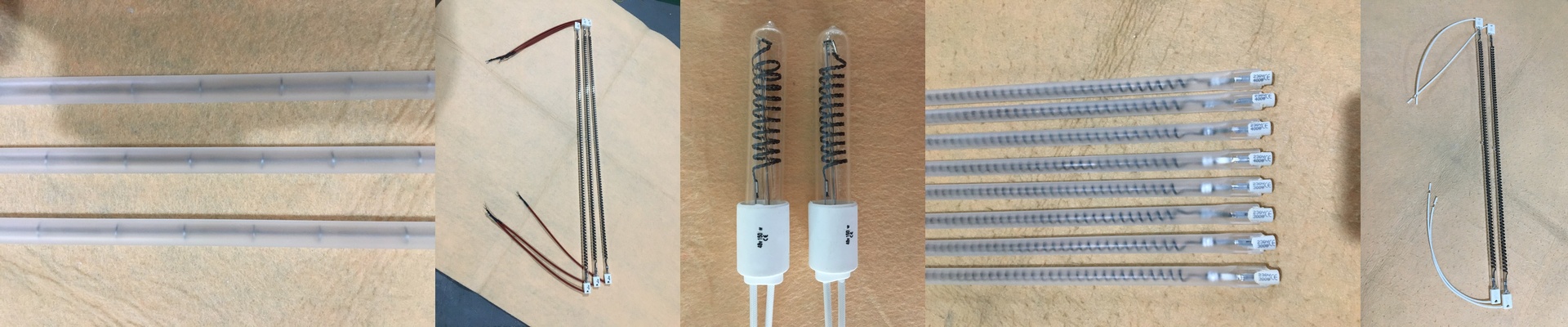
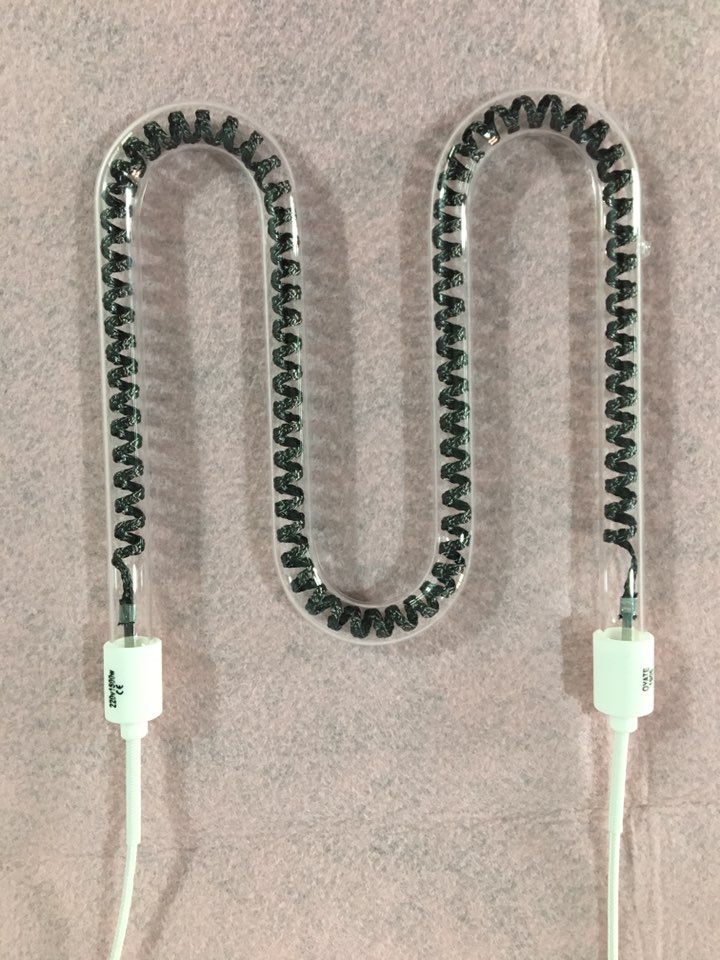
Let’s talk about Carbon Crystal Heating Panels
Ever feel like traditional heaters just… don’t work right? You know the feeling—you’re standing right next to the heater but your feet are still freezing, or the air feels bone-dry and irritating. That’s where these carbon crystal panels come in. Instead of just heating up the air around them, they use a special carbon fiber layer to send out far infrared (FIR) radiation. Think of it like the sun on a spring day. You don’t feel the air getting hot; you feel the warmth hitting your skin directly. How it actually works We build these with a carbon-based crystalline structure that doesn’t fight the electricity. When you flip the switch, those crystals start vibrating at a high frequency. This creates a steady flow of heat across the whole panel. The best part? No more “hot spots.” You won’t find one corner of the panel scorching hot while the rest is lukewarm. It’s just a smooth, consistent warmth. What’s inside the box It’s pretty clever. We’ve got the heating element sandwiched between insulating layers, with a reflective backing on the rear. That backing is key. It pushes all the heat forward toward you, rather than letting it soak into your wall. We also use materials that conduct heat quickly, so the panel gets warm in seconds. And since they don’t have to run at crazy high temperatures to be effective, they don’t burn out nearly as fast as those old quartz lamps. The honest truth on using them These are perfect if you need a steady, gentle heat over a large area. Plus, since they aren’t blasting hot air around, your room doesn’t end up feeling like a desert. Your skin and throat will thank you. But, let’s be real—they aren’t for everything. If you’re trying to shrink-wrap plastic or need an instant, aggressive blast of heat, these aren’t your tool. They’re built for maintaining a cozy, steady temperature, not for thermal shocks. One quick tip: make sure your thermostat is actually designed for infrared. If you use a standard air-temperature probe, it’ll probably tell you the room is colder than it actually feels, and you’ll end up cranking the heat way too high.